









TetraTypes is an independent resource. It is not affiliated with the World Socionics Society or with Kimani White.

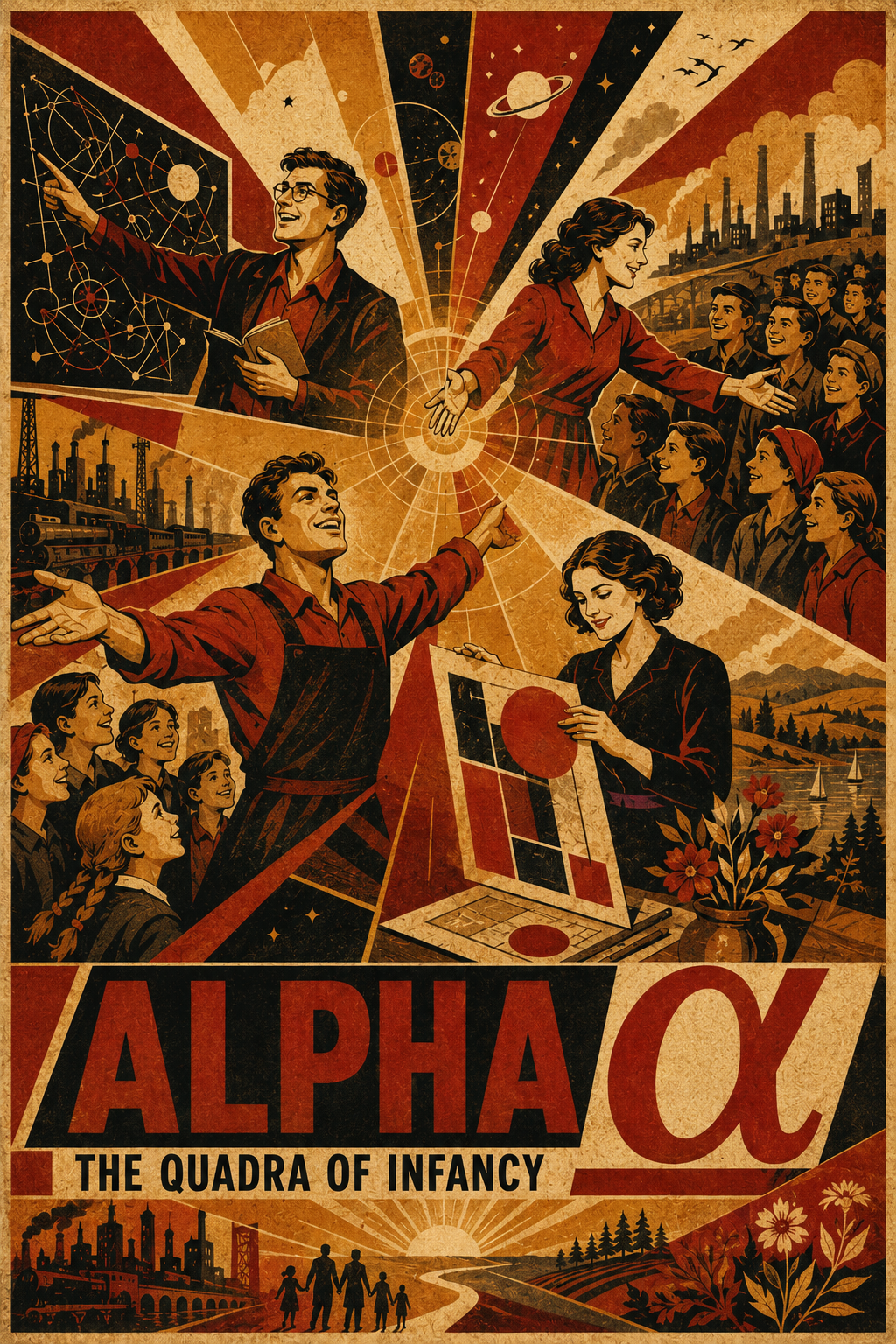
Alpha Quadra · Intuitive Logical Extravert

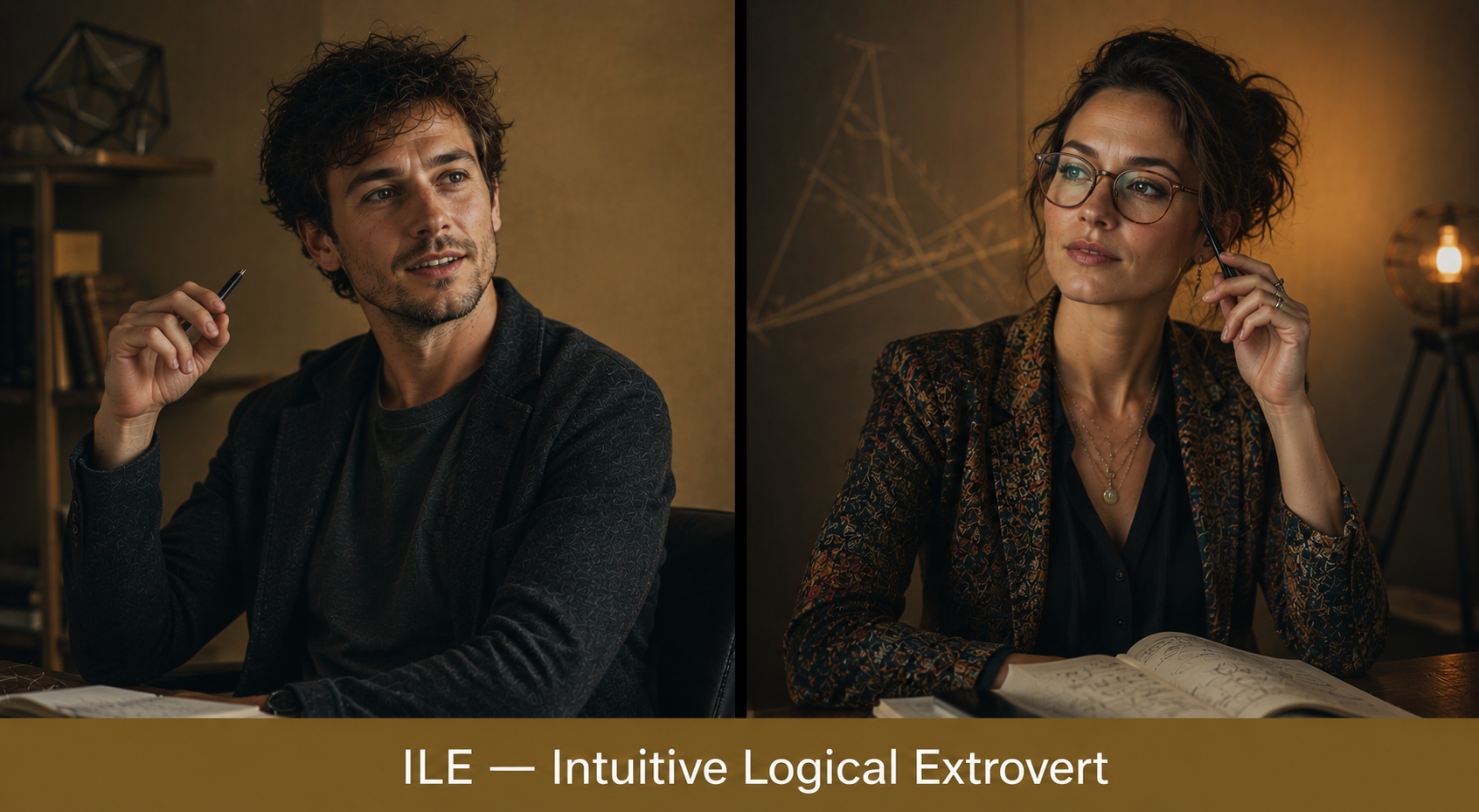
ILE

The Inventor

Type code: ILE

Intuitive Logical Extravert

The Inventor

α Alpha Club: NT Researchers Dual: SEI — The Nurturer Model A Base: Ne — Ideas Model L Base: Ne(T.) — Ideation

Model A · WSS

Function Stack

Position 1 — LeadingNe — Ideas
Position 2 — CreativeTi — Laws
Position 3 — RoleSe — Force
Position 4 — VulnerableFi — Relations
Position 5 — SuggestiveSi — Senses
Position 6 — MobilisingFe — Emotions
Position 7 — IgnoringNi — Telos
Position 8 — DemonstrativeTe — Pragmatism

Ego Block Summary

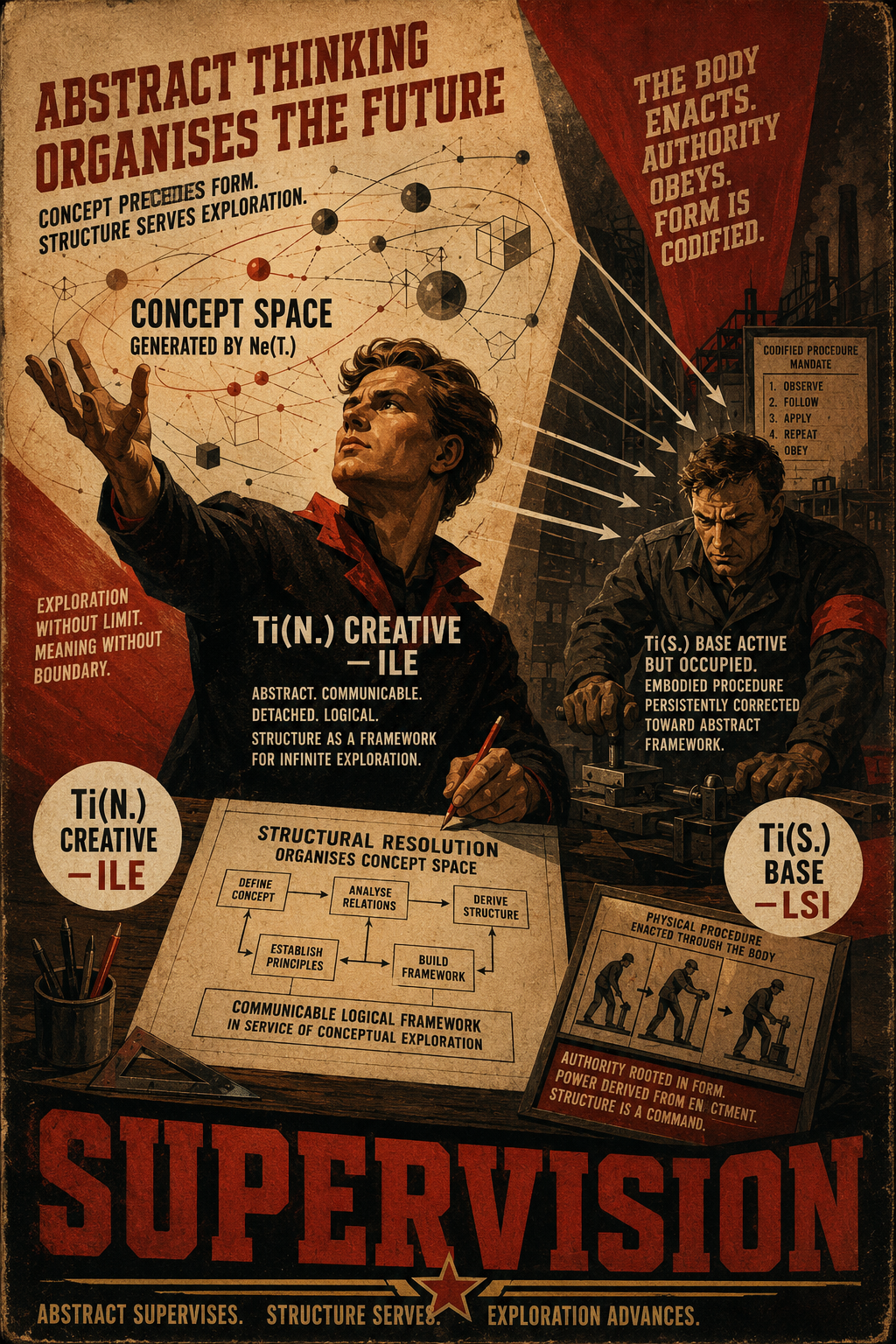
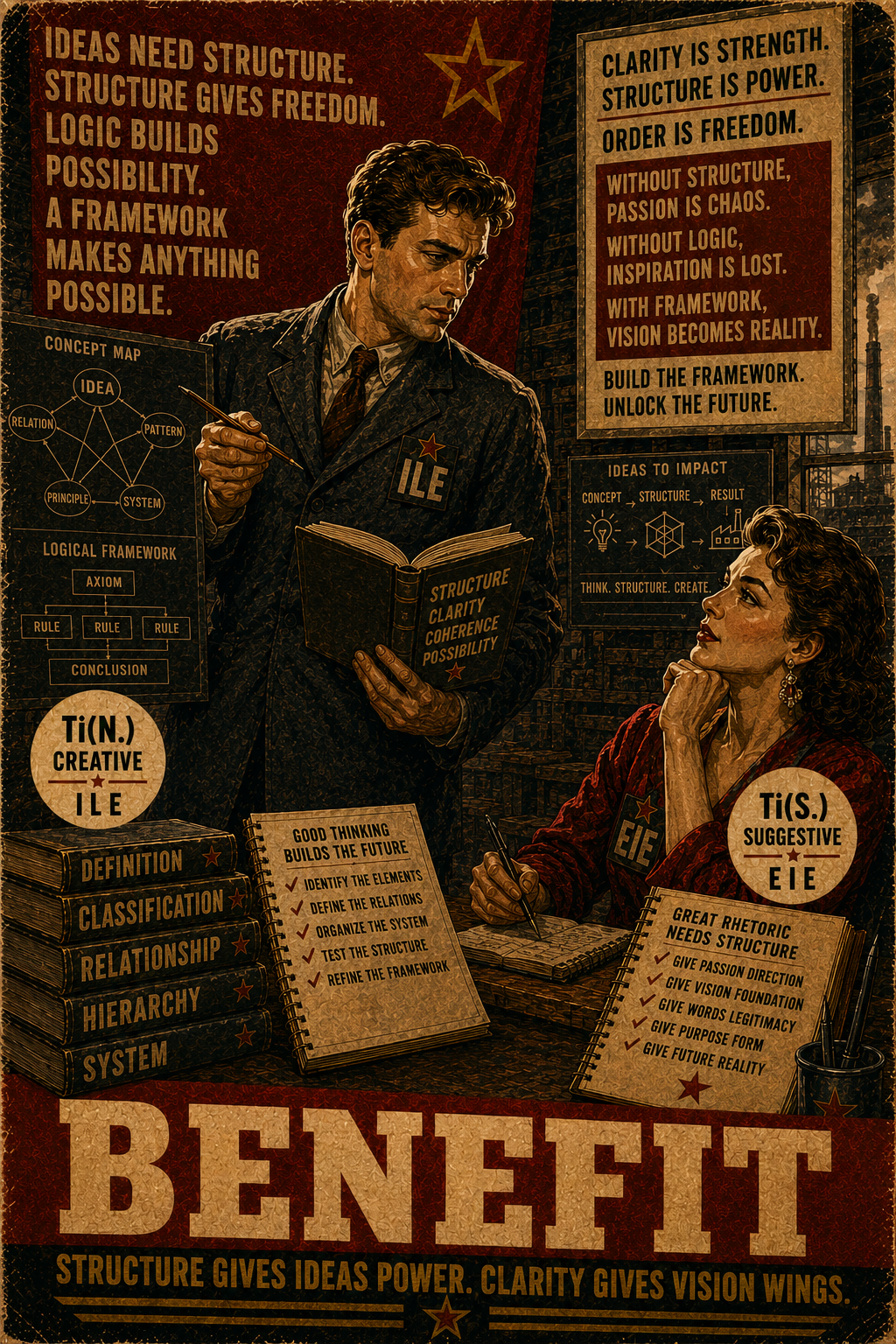
ILE leads with Ne — Ideas: open-ended conceptual exploration, pattern discovery, and the rapid generation of possible frames. Ti — Laws serves as the Creative function, giving the invention a structure: definitions, distinctions, and internal coherence. The result is not just novelty, but novelty that wants a system around it.

Valued Elements

Valued elements: Ne · Ti · Si · Fe

These are the Alpha elements ILE finds most alive: conceptual possibility, clear structure, sensory ease, and shared emotional warmth.

Vulnerable Note

Fi — Relations sits at position 4, the Vulnerable. Demands for settled relational judgement, fixed personal loyalties, or precise emotional obligations can feel heavy and constraining here, especially when they interrupt the free movement of ideas.

Suggestive Note

Si — Senses sits at position 5, the Suggestive. ILE responds strongly to environments and people that provide comfort, bodily ease, pleasant pacing, and gentle sensory grounding. This is what the SEI dual supplies most naturally.

Model L · Kimani White

The Sixteenfold Cross

Model-L specifies each of ILE's sixteen element positions to the sub-variant level. The four capacity groups — A, B, C, D — organise these positions by the type's psychological relationship with each.

A CAPACITY — Preeminent

ILE’s most natural region: detached possibility, conceptual structure, strategic background awareness, and practical reasoning that supports the invention of systems.

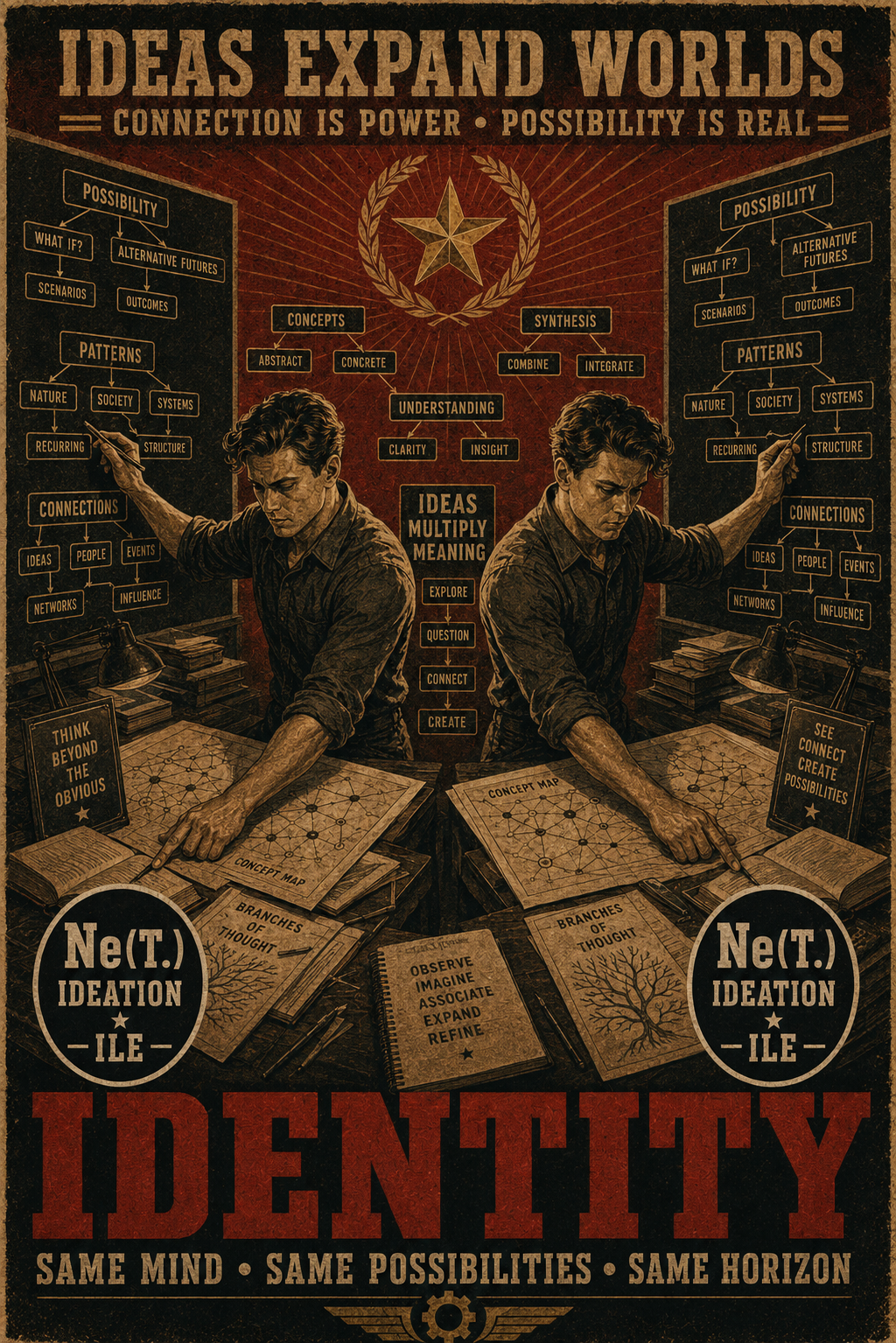
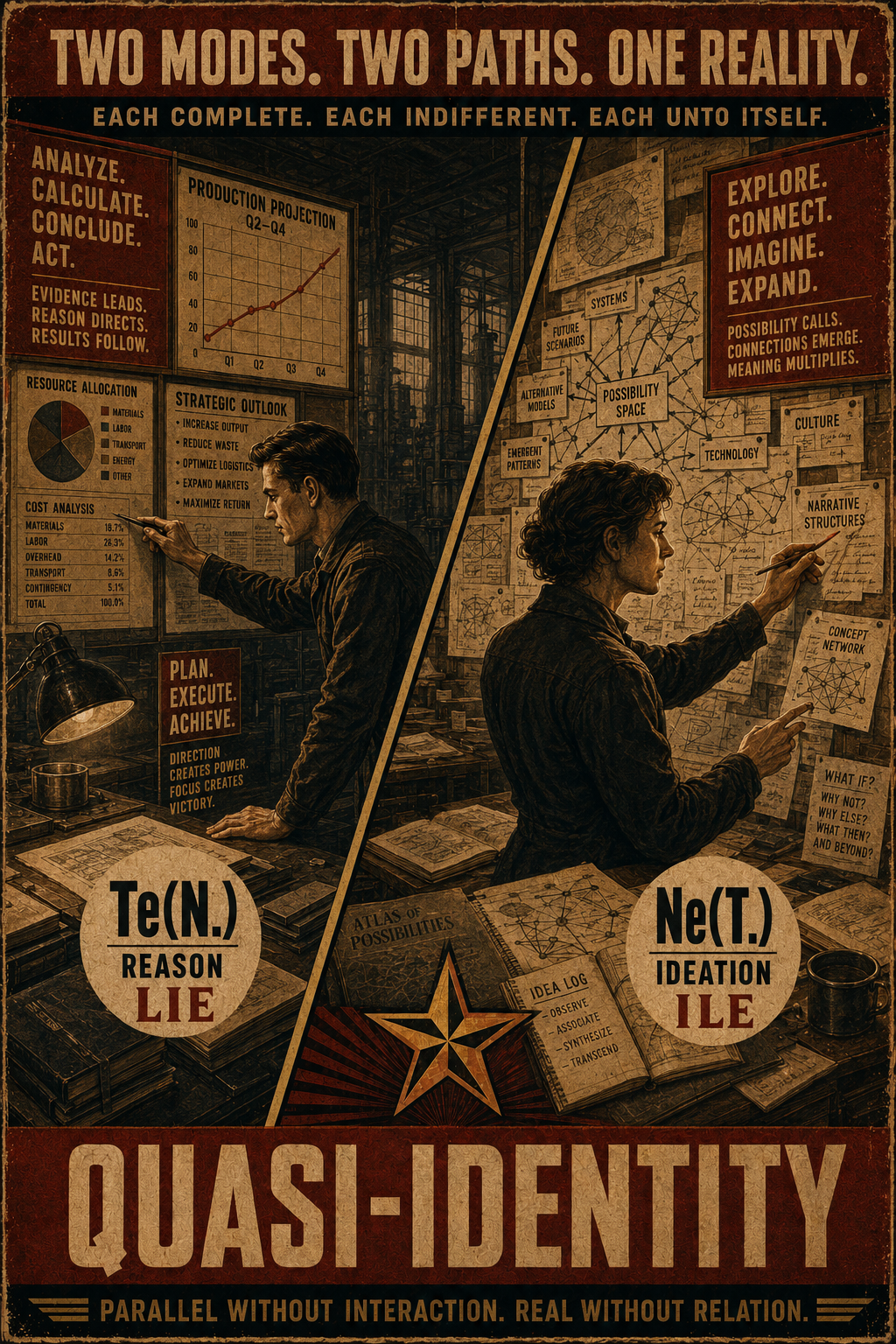
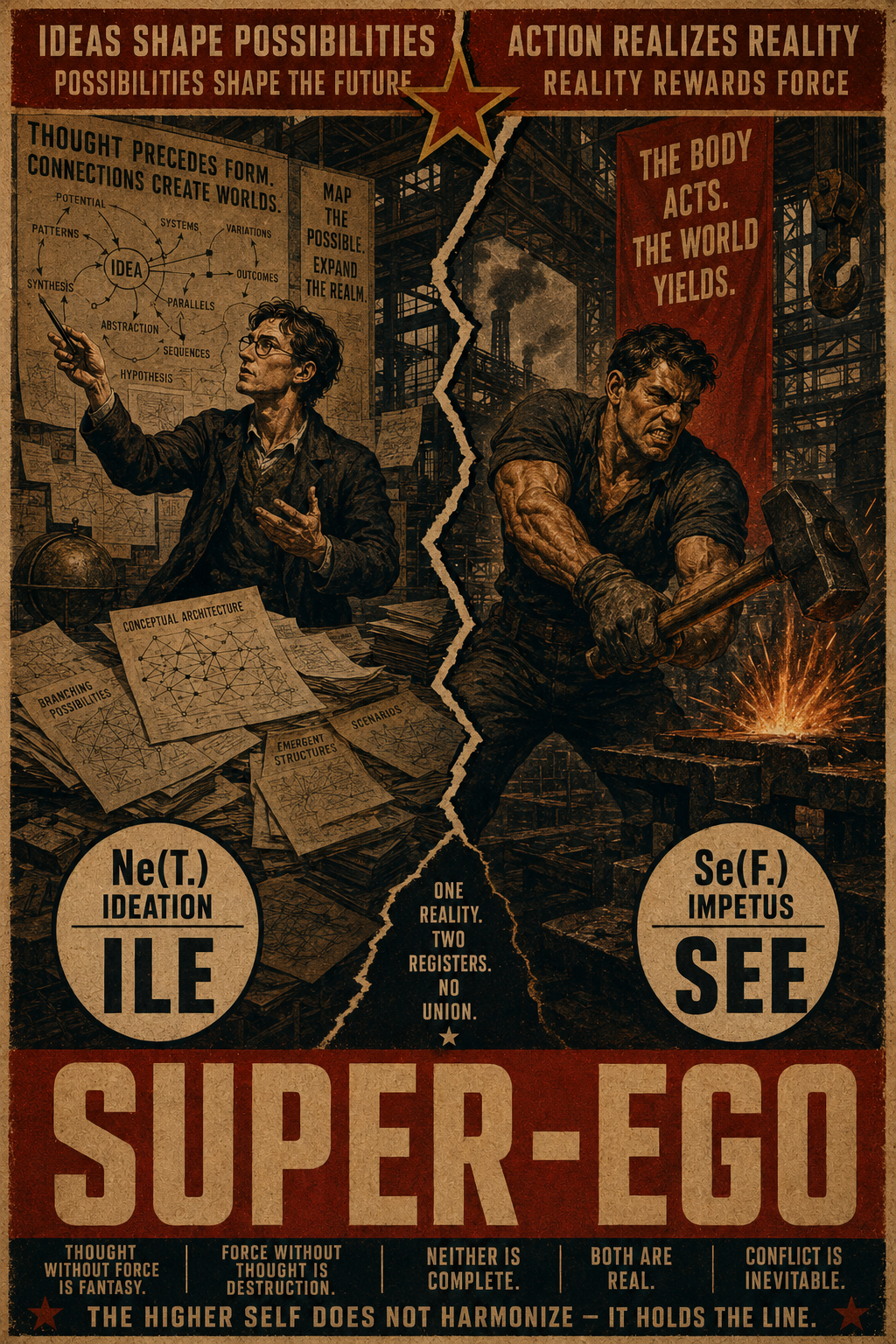
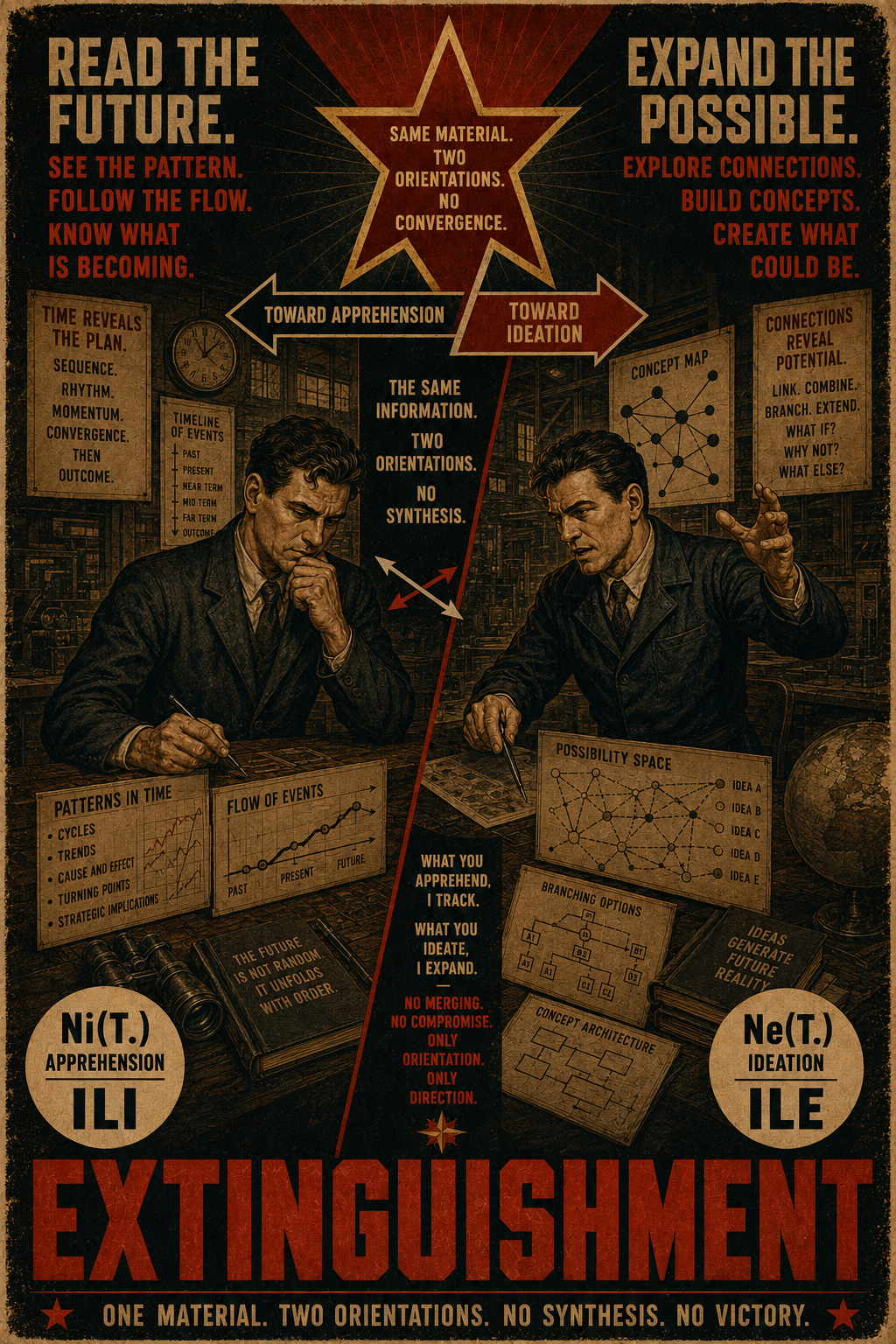
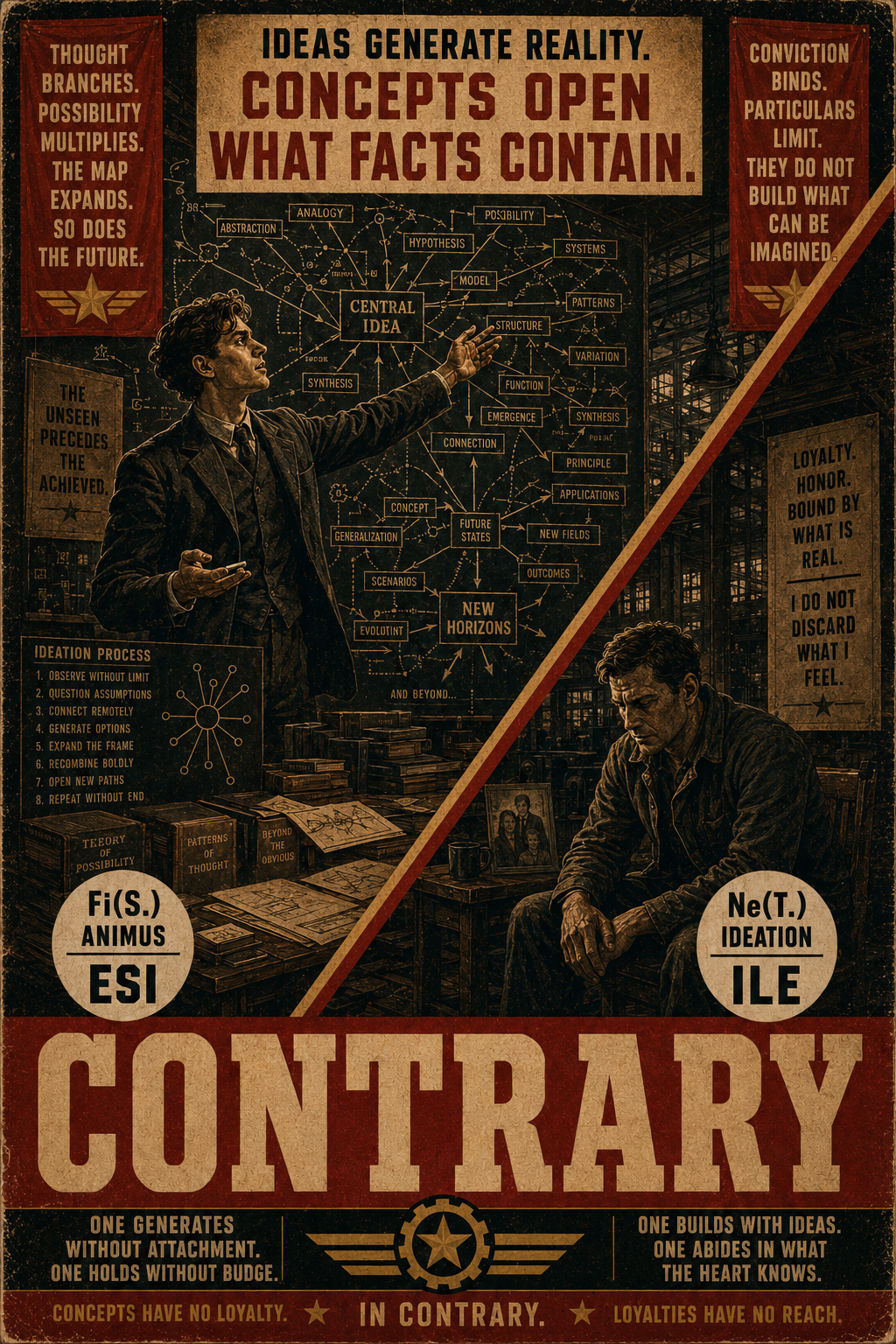
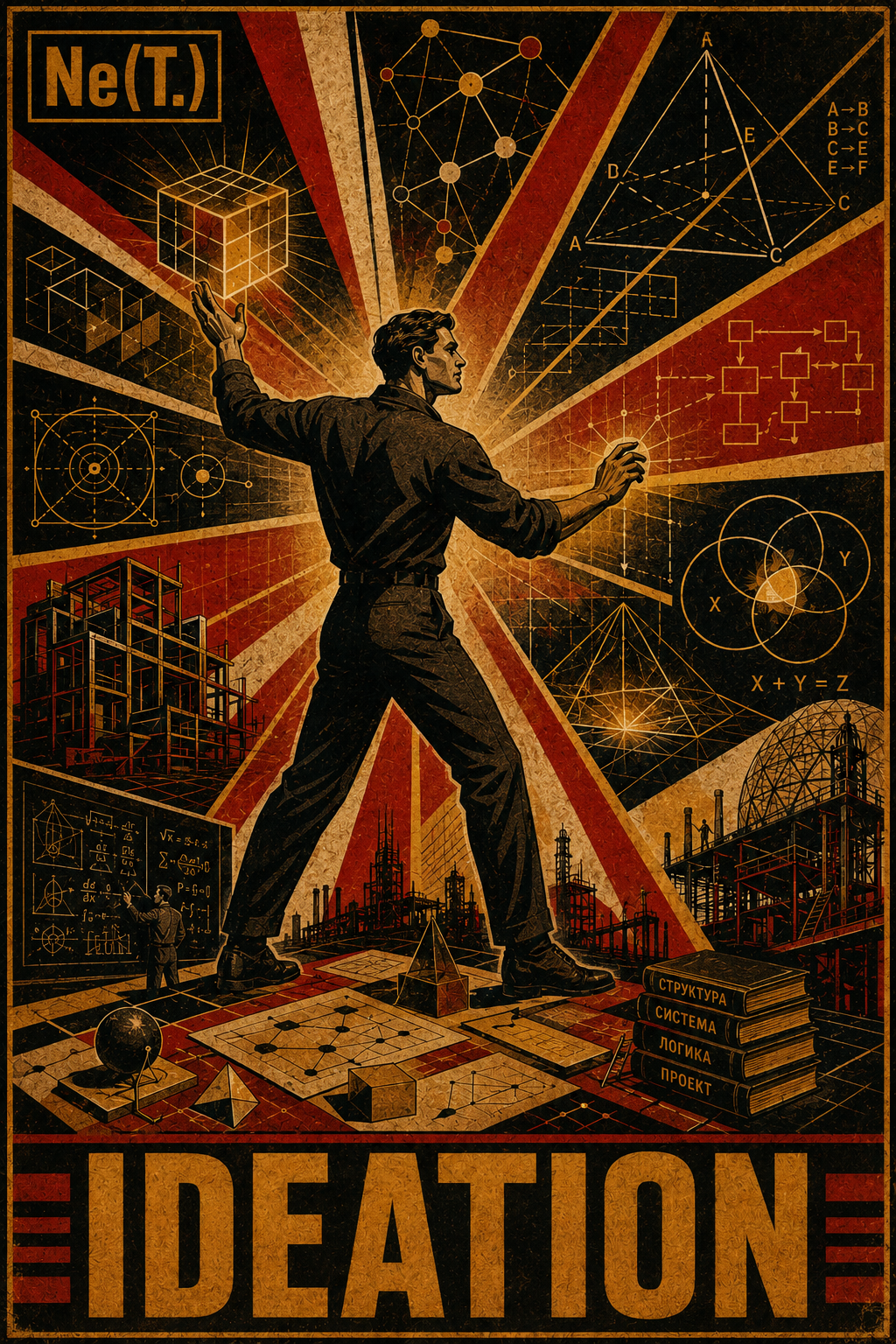
A1 — Ne(T.) — "Ideation" — Base

ILE Base: Ne(T.) Ideation. Active conceptual generation, brainstorming, and manipulation of semantic possibilities. This is the central point of the type’s confidence.

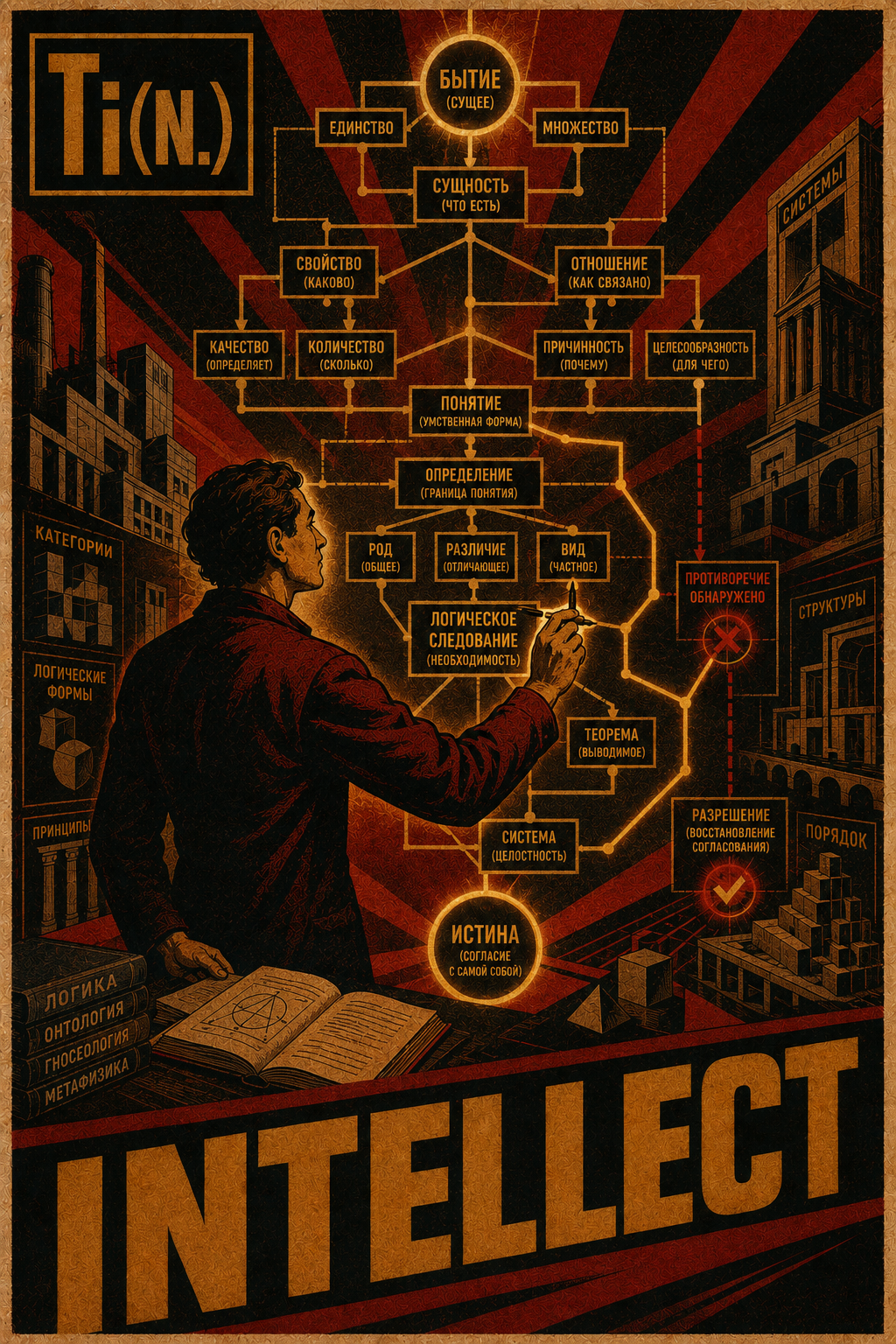
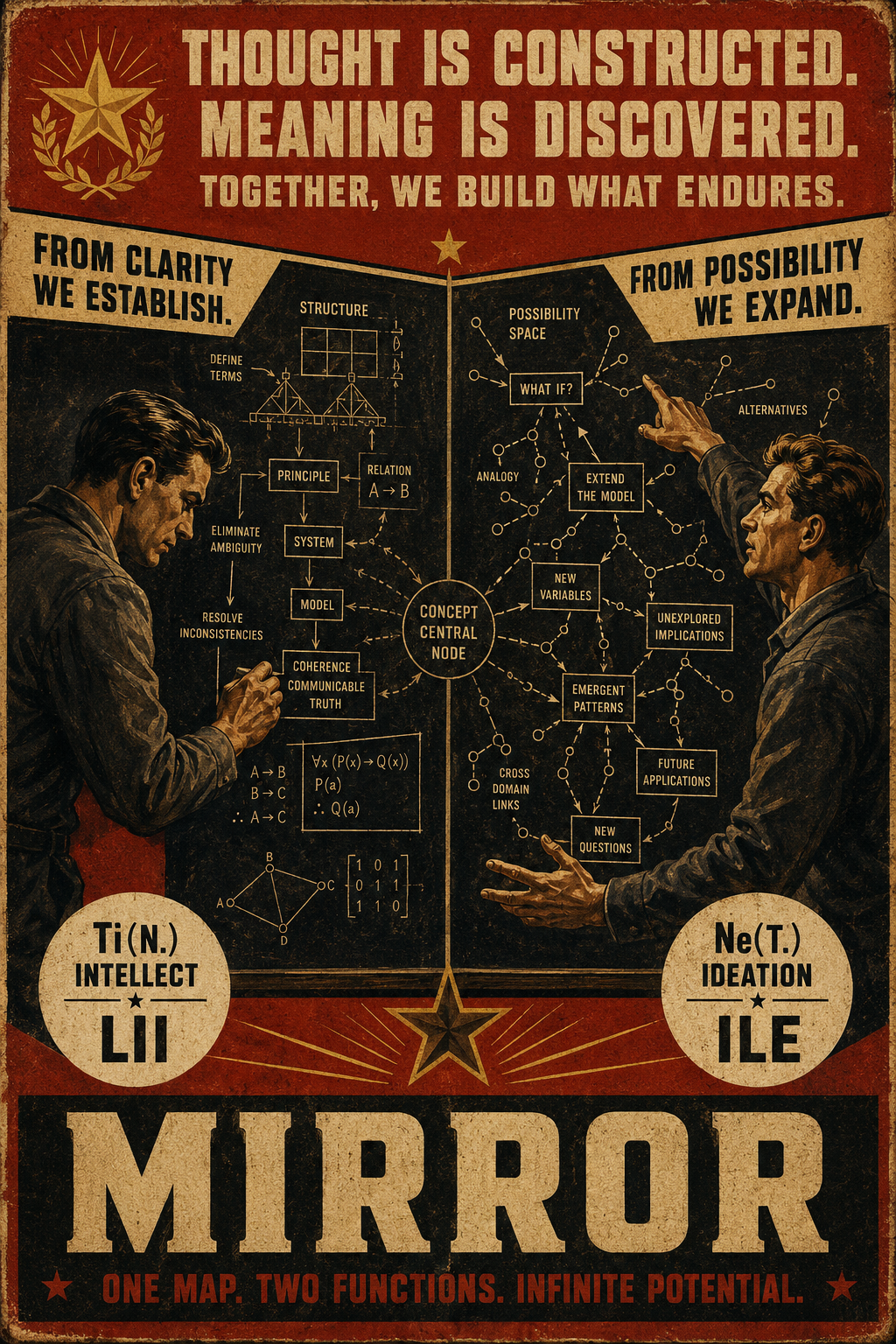
A2 — Ti(N.) — "Intellect" — Creative

ILE Creative: Ti(N.) Intellect. Linguistic framing, interpretive schema, and coherent articulation of concepts. This is the tool the type uses to express and support the Base.

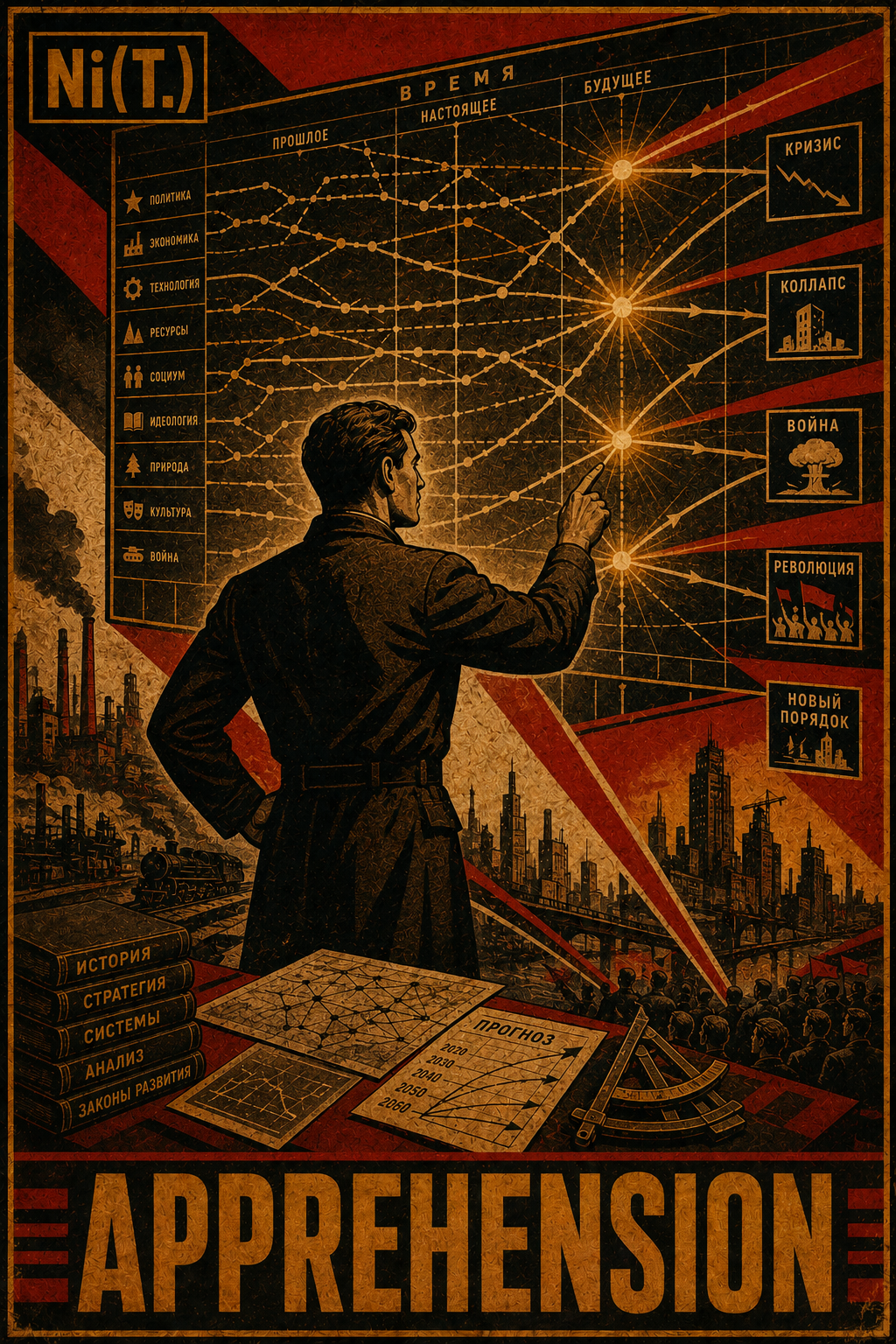
A3 — Ni(T.) — "Apprehension" — Ignoring

ILE Ignoring: Ni(T.) Apprehension. Strategic and temporal understanding of how events are likely to unfold over time. Capable but not treated as the main point.

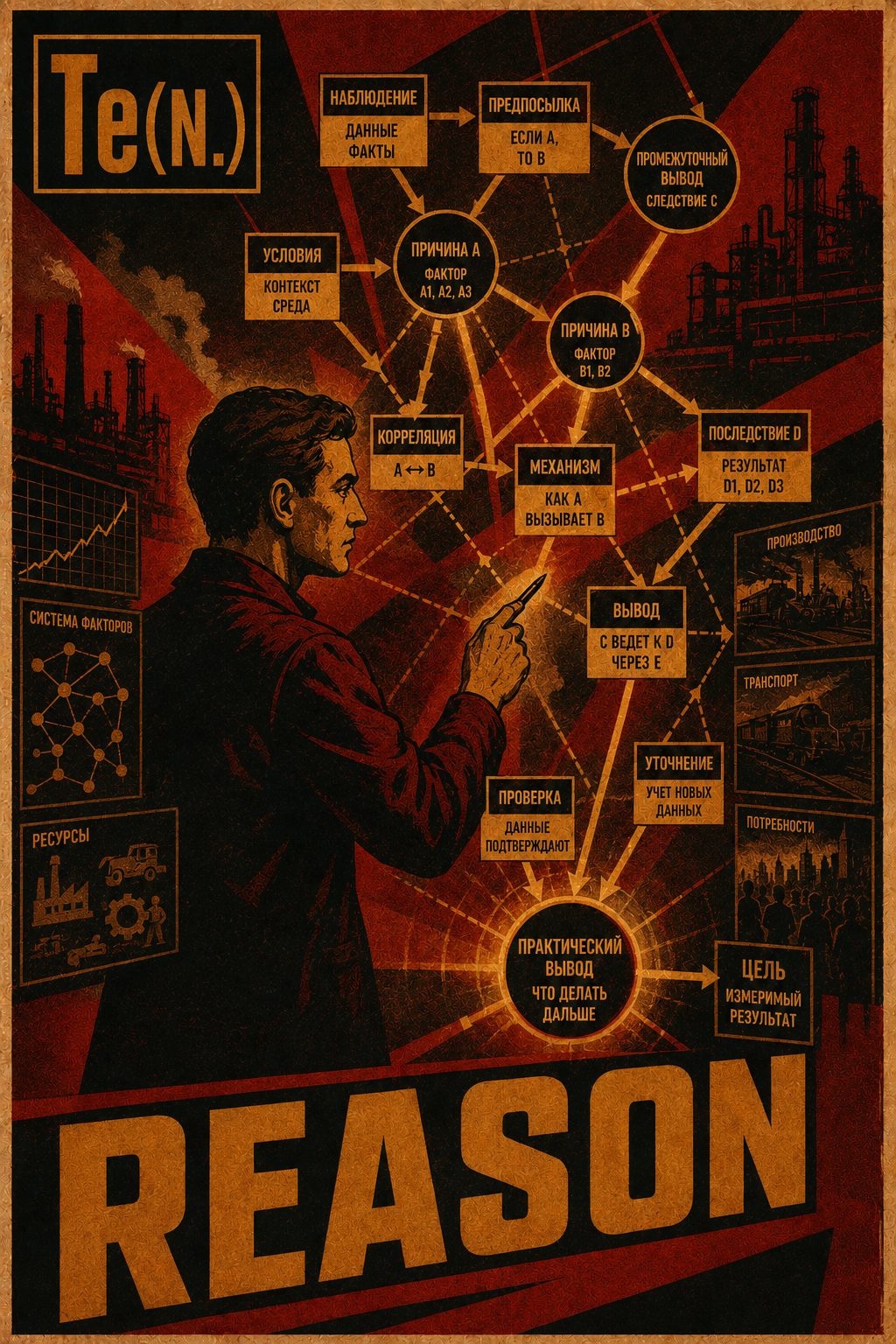
A4 — Te(N.) — "Reason" — Demonstrative

ILE Demonstrative: Te(N.) Reason. Fact propositions, informal logic, productive aims, and workable strategic formulations. Strong and often automatic in the background.

B CAPACITY — Supported

Conscious support positions that help ILE translate ideas into contact with form, action, observation, and practical method.

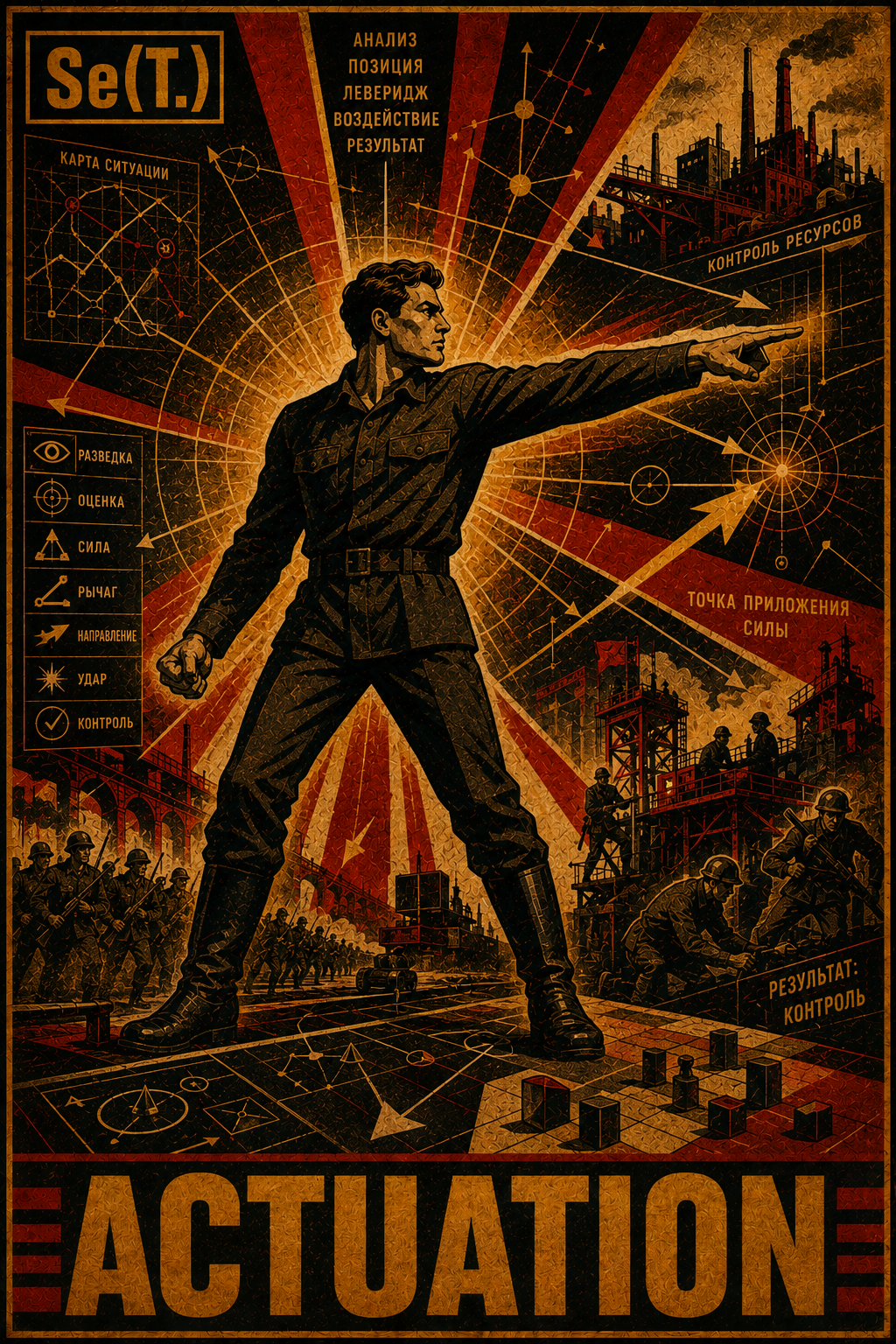
B1 — Se(T.) — "Actuation" — Correspondent

ILE Correspondent: Se(T.) Actuation. Regulatory force applied to shape the physical environment within concrete parameters. Available as a conscious support, but less central than the A positions.

B2 — Ti(S.) — "Habitus" — Collaborative

ILE Collaborative: Ti(S.) Habitus. Embodied forms, codified habits, and the tangible structure of subjects, groups, or systems. Works as a deliberate auxiliary route.

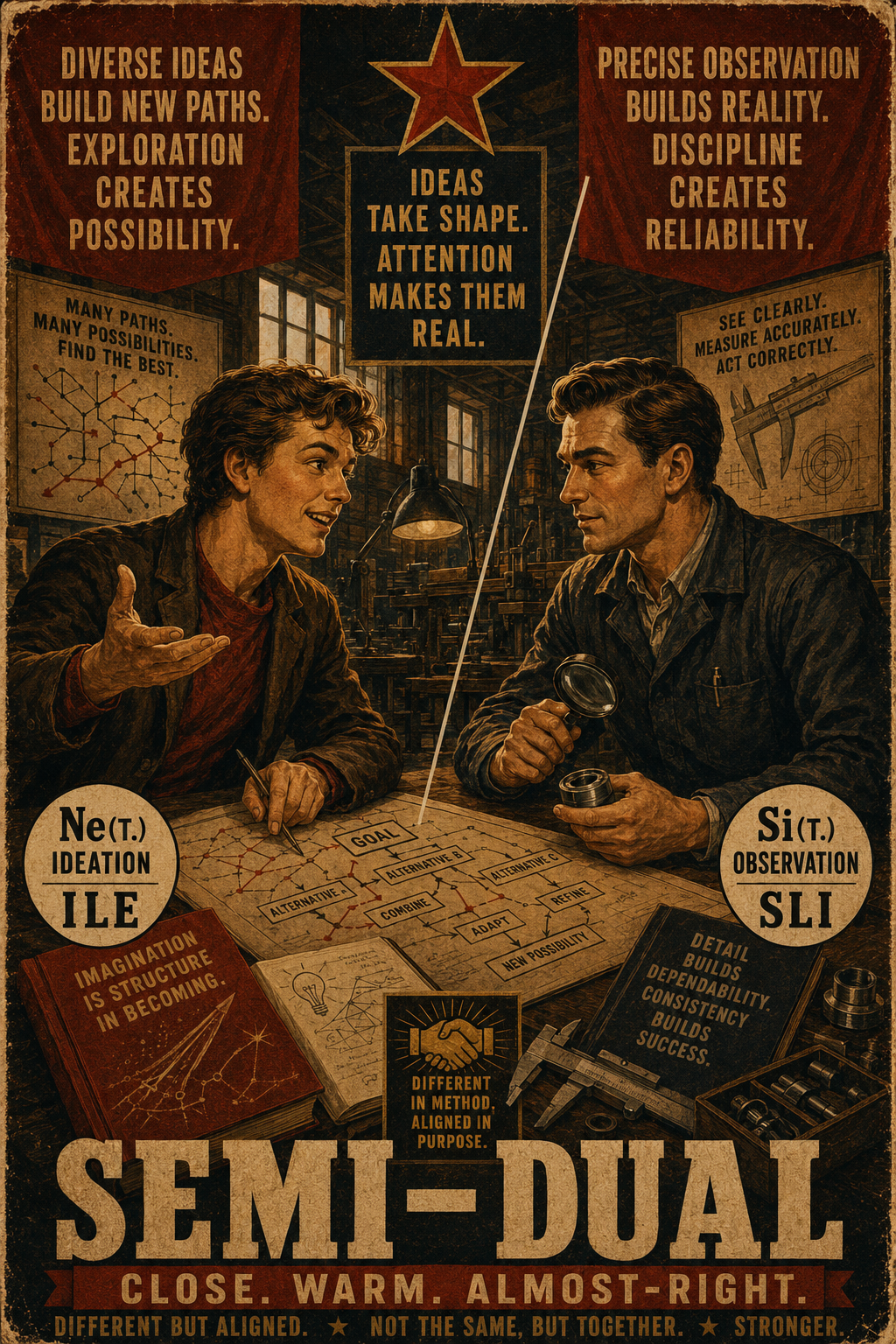
B3 — Si(T.) — "Observation" — Compensatory

ILE Compensatory: Si(T.) Observation. Selective intake of external sensory data, attending to functional details in the physical field. Helps cover practical or structural gaps when needed.

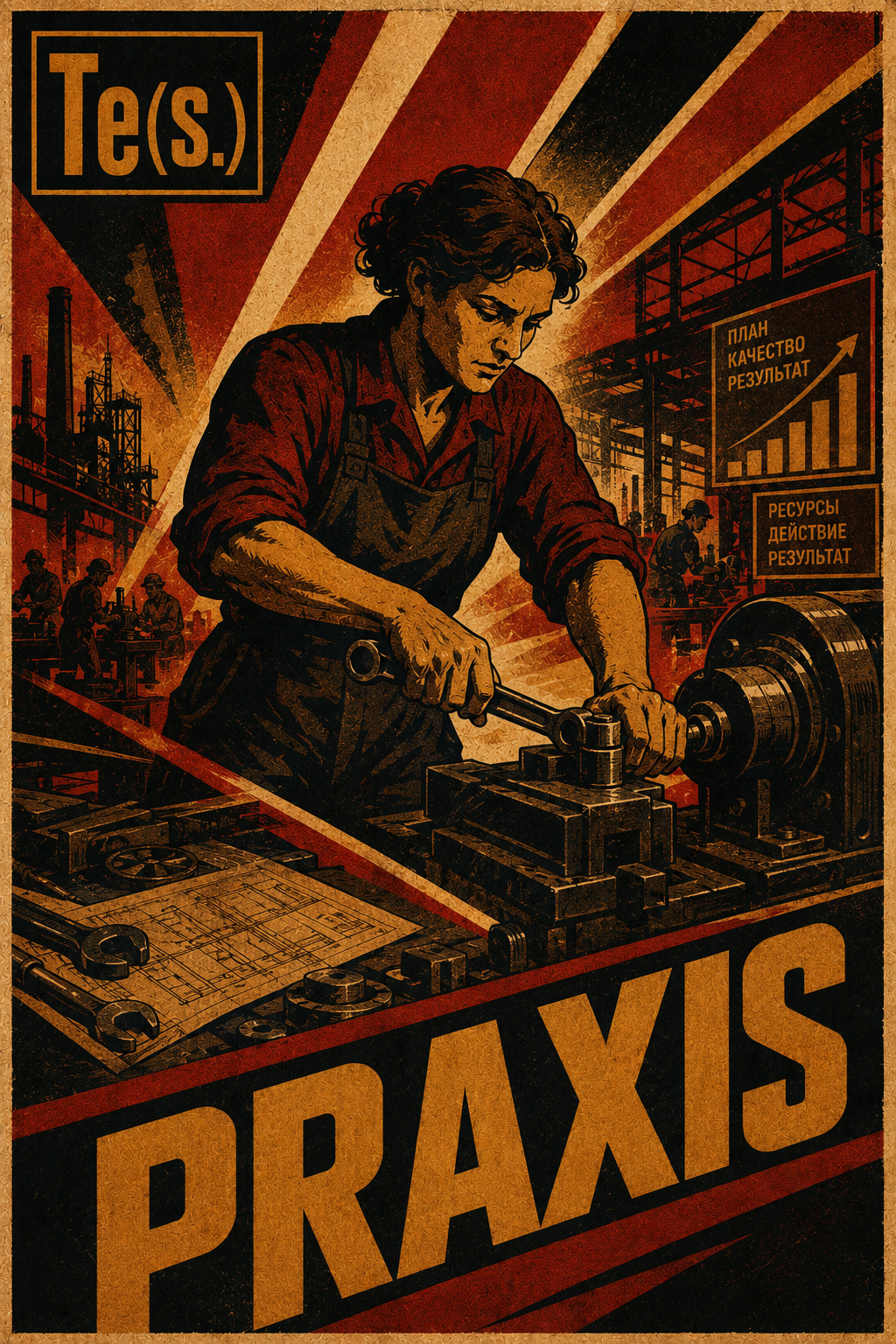
B4 — Te(S.) — "Praxis" — Instrumental

ILE Instrumental: Te(S.) Praxis. Hands-on methods, practical experimentation, resources, and material workflow improvement. Useful and deployable, especially in service of stronger aims.

C CAPACITY — Contrasting

Contrasting positions that give ILE a more personally involved or emotionally charged version of its usual conceptual field.

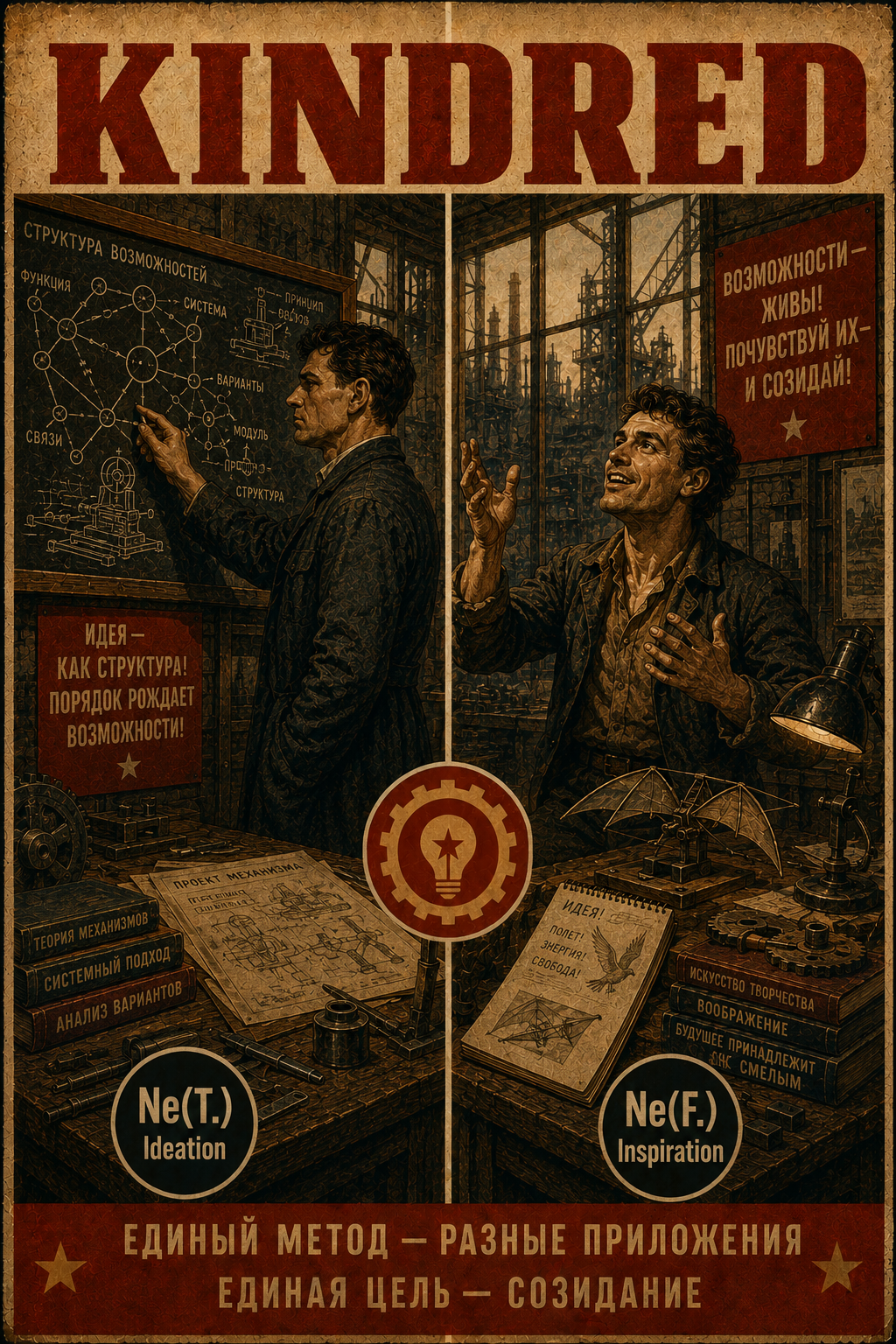
C1 — Ne(F.) — "Inspiration" — Subsidiary

ILE Subsidiary: Ne(F.) Inspiration. Inner potentiality, spontaneous creative impulse, and imagined paths for growth or novelty. A secondary shading of the profile rather than the lead voice.

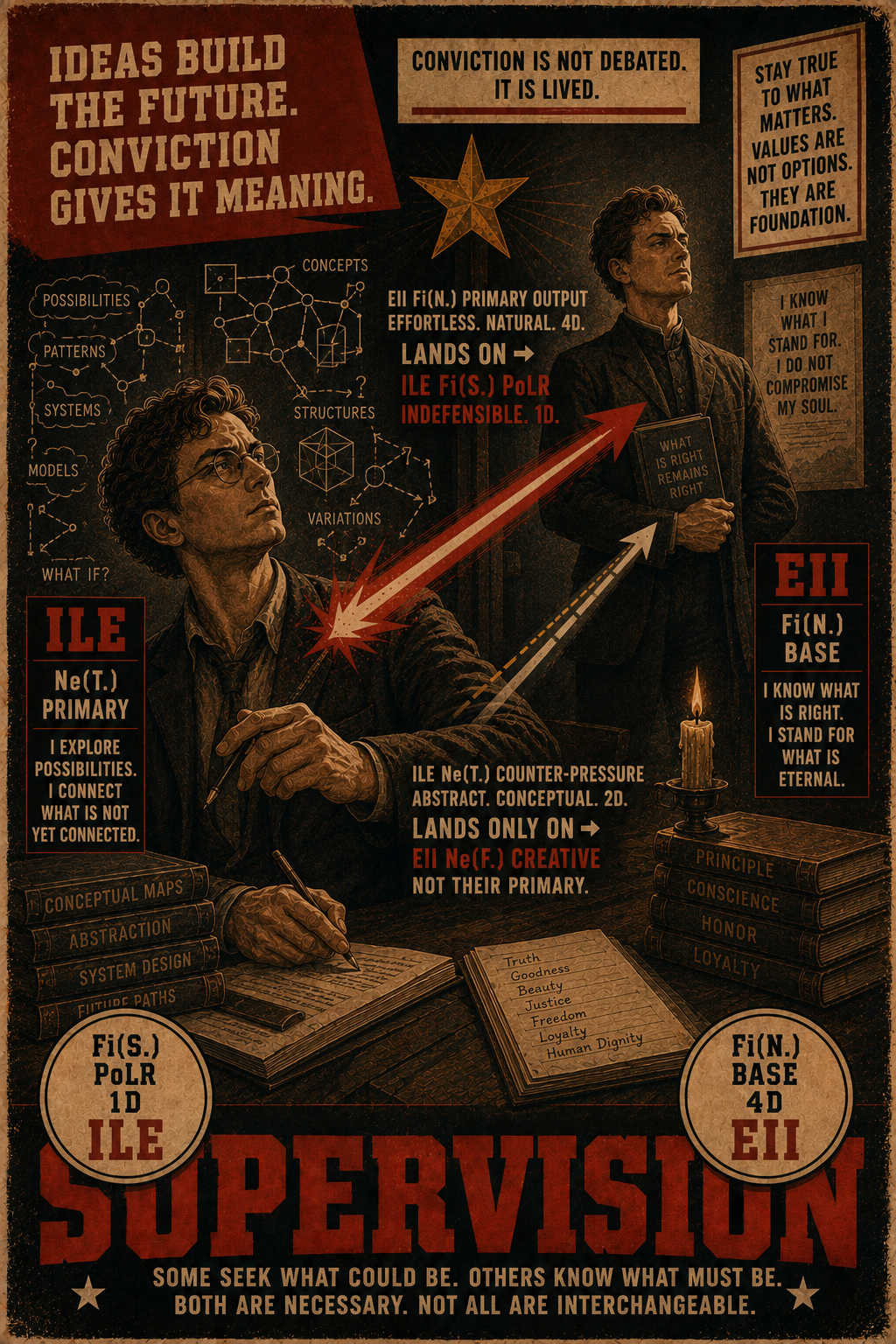
C2 — Fi(N.) — "Soul" — Negligent

ILE Negligent: Fi(N.) Soul. Inner values, ideals, convictions, and abstract notions of what is inherently worthwhile. Present but not normally prioritised.

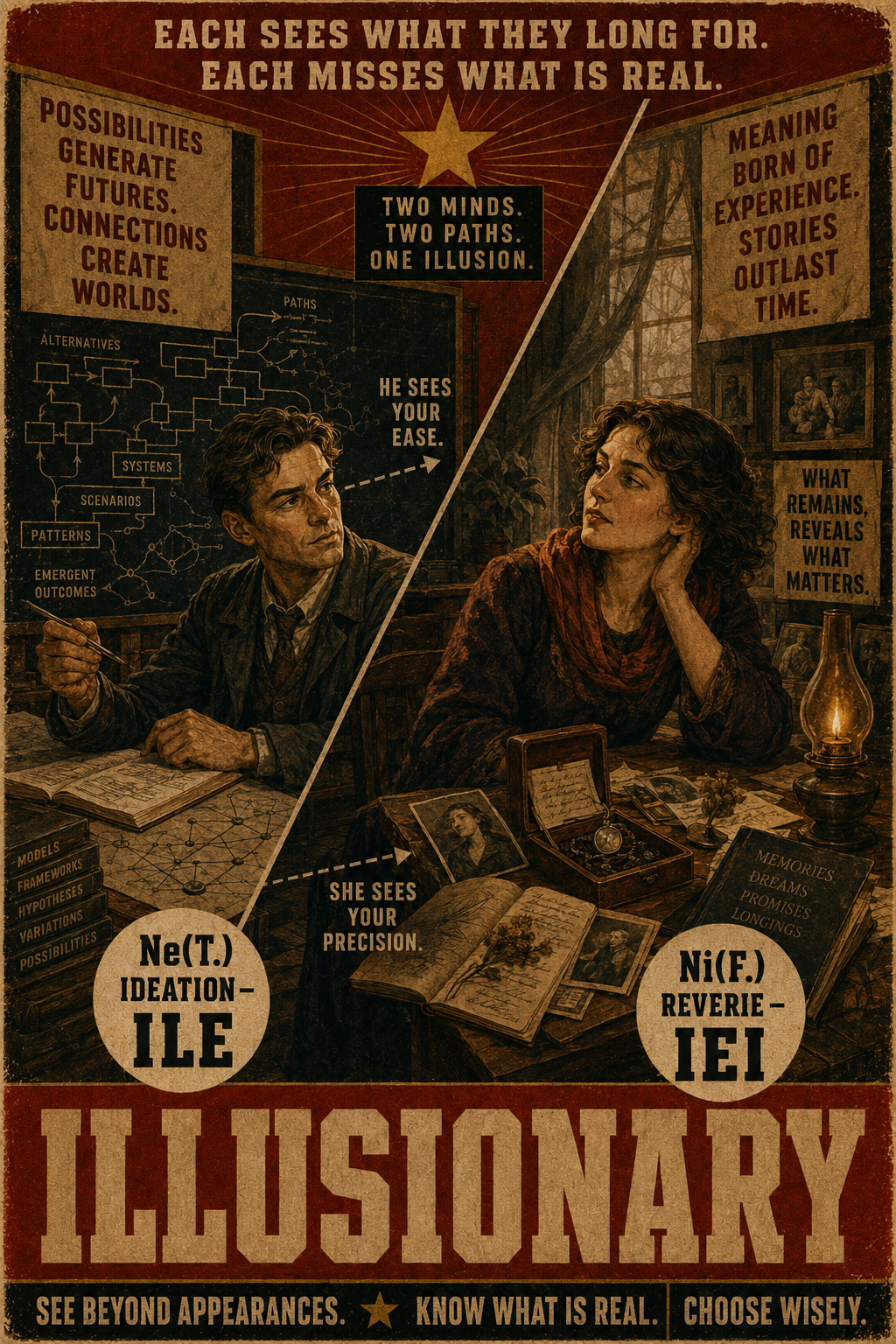
C3 — Ni(F.) — "Reverie" — Prompting

ILE Prompting: Ni(F.) Reverie. Inner scenarios, narrative significance, symbolic subtext, and reflective imagination around events. Can be activated by context or by other people.

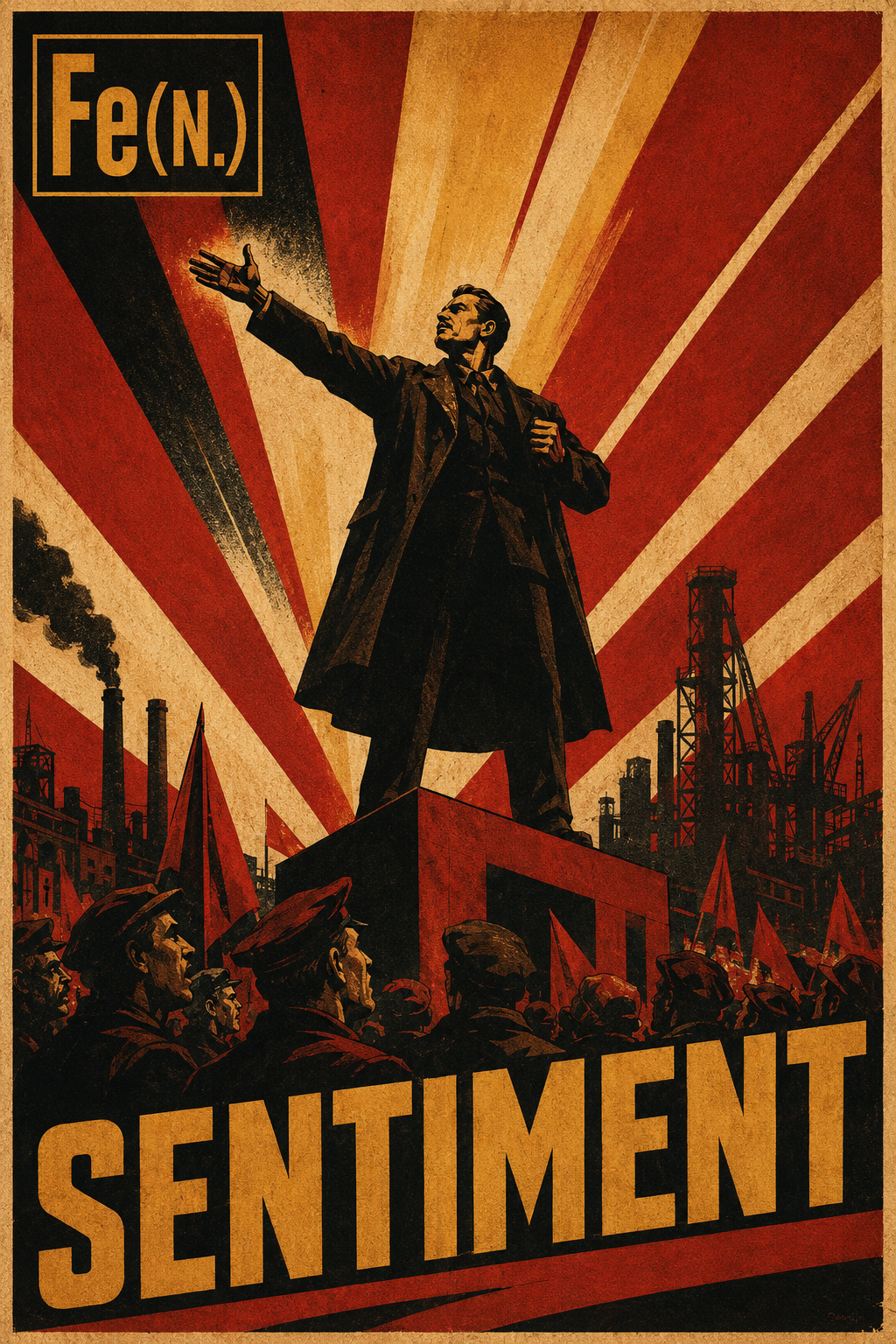
C4 — Fe(N.) — "Sentiment" — Galvanizing

ILE Galvanizing: Fe(N.) Sentiment. Inner opinions and passions conveyed through dramatic rhetoric, symbolism, and emotional meaning. A background primer that can energise the type indirectly.

D CAPACITY — Vulnerable

The lower-capacity region: physical impulse, visceral relation, sensory need, and atmospheric emotion as the heart of complementarity with SEI.

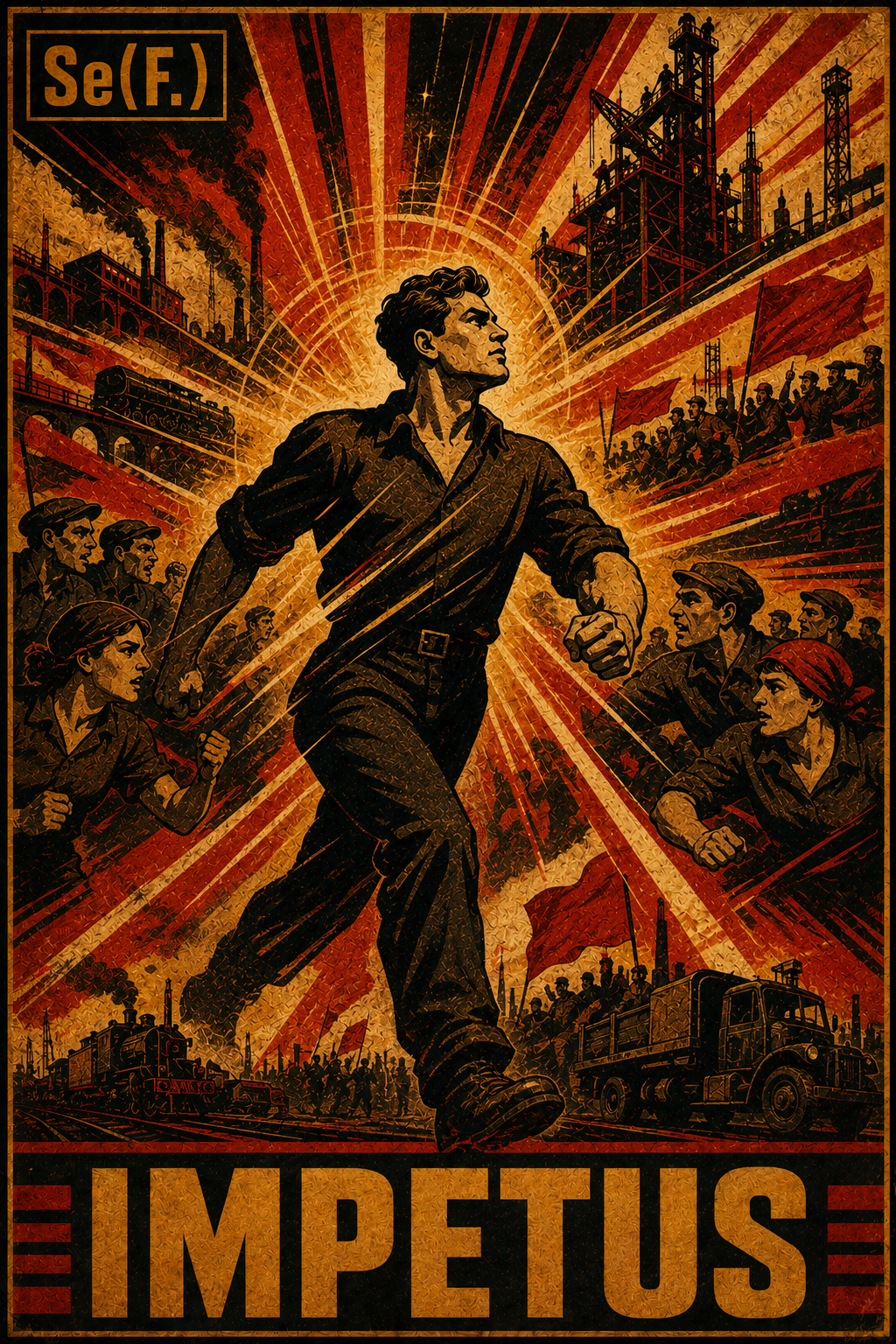
D1 — Se(F.) — "Impetus" — Role

ILE Role: Se(F.) Impetus. Visceral mobilizing impulse, turning stored energy toward concrete aims and exertion. Performed consciously when the situation asks for it.

D2 — Fi(S.) — "Animus" — Vulnerable

ILE Vulnerable: Fi(S.) Animus. Stable visceral attitudes of affinity or aversion toward people and concrete objects. A sensitive point where pressure can land hard.

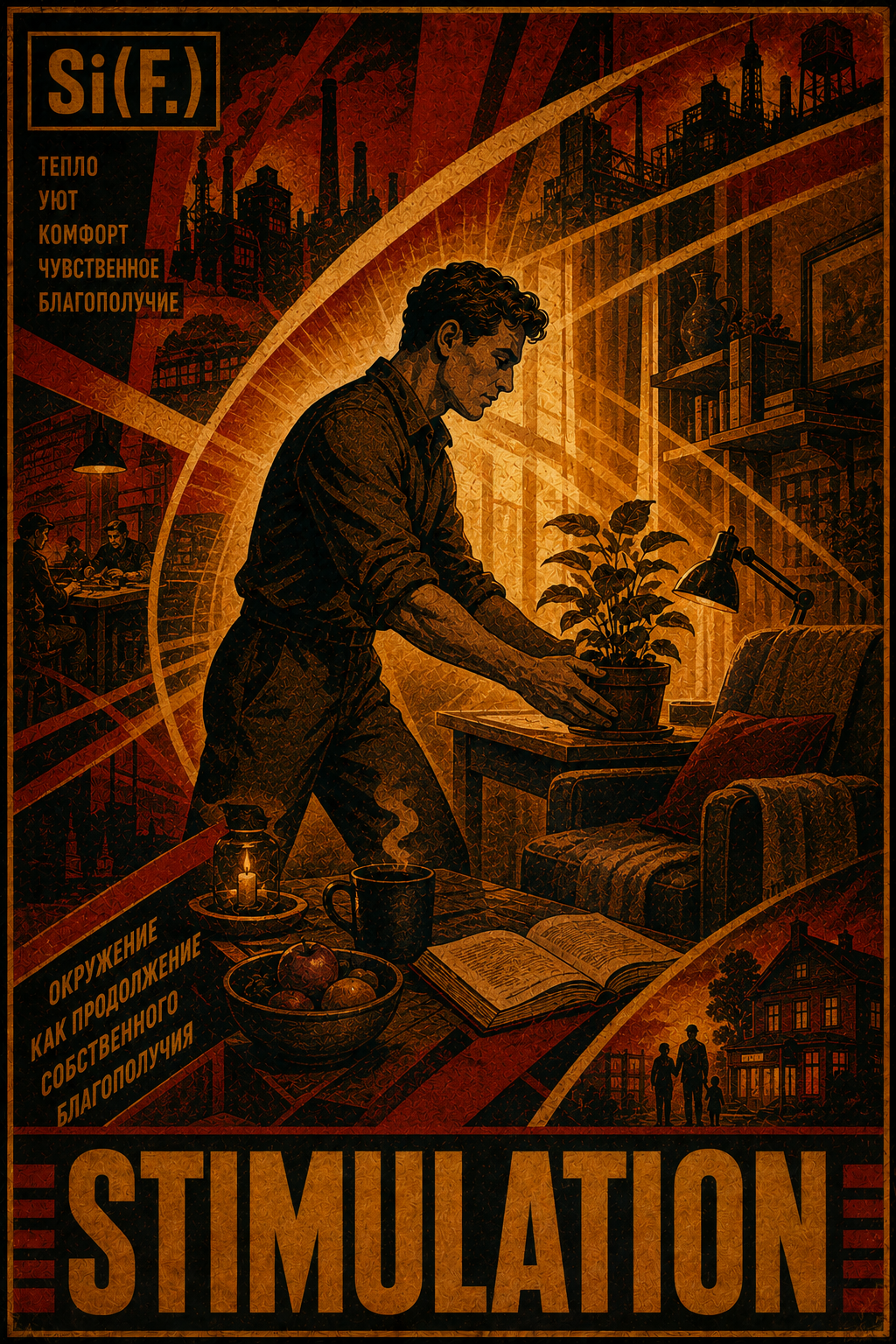
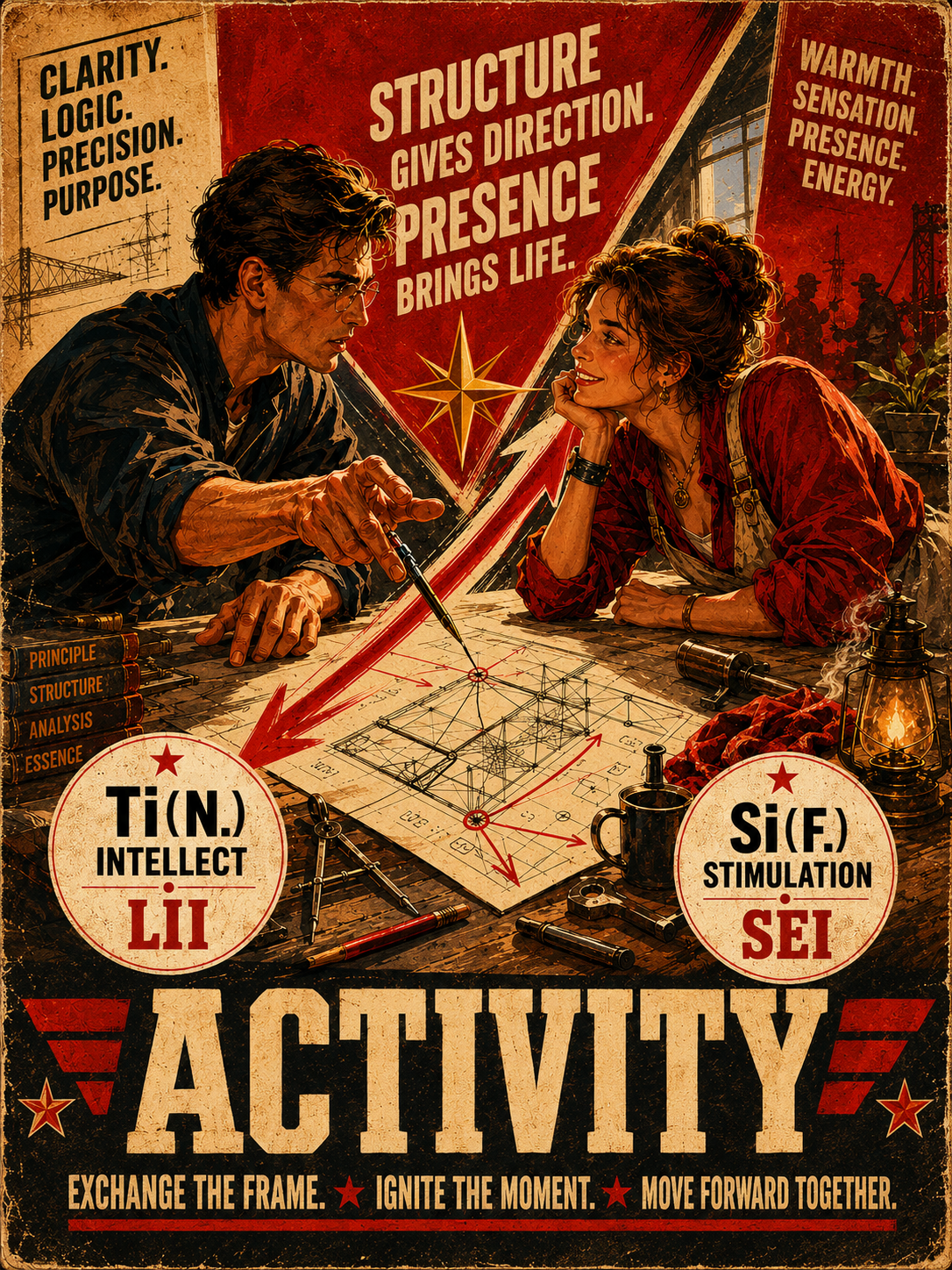
D3 — Si(F.) — "Stimulation" — Suggestive

ILE Suggestive: Si(F.) Stimulation. Subjective bodily stimulus, vitality, comfort, and the felt charge of physical experience. A receptive point: what the type most welcomes from others.

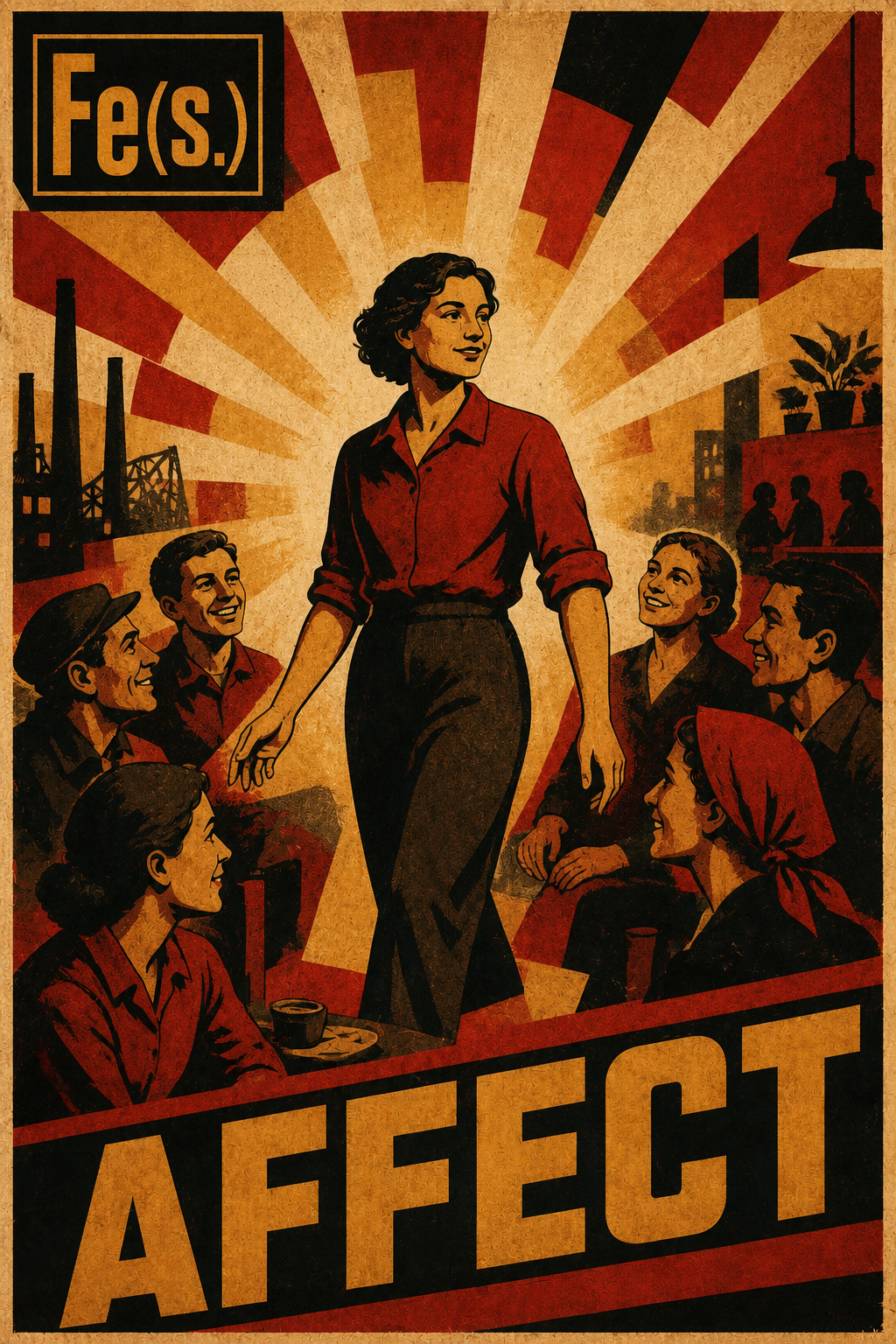
D4 — Fe(S.) — "Affect" — Mobilizing

ILE Mobilizing: Fe(S.) Affect. Physiological mood, expressive atmosphere, aesthetic signals, and shared sensory feeling tone. A low-capacity but energising point that responds to encouragement.

The Type In Life

The Inventor

Dmitri

By 9am Dmitri has already abandoned the project he started at 7am — not because it failed but because a better one occurred to him halfway through. He talks fast, faster than he edits, and the people around him have learned to keep up or let the current pass. He is explaining a new system to a colleague, a system for something the colleague didn't know needed a system, and the explanation keeps expanding, forking, spawning sub-problems he also wants to solve right now, while the idea is hot. Later he will not remember the colleague's response. He will remember the system.

Sasha

Sasha's notebook looks like a map drawn by someone who ran out of paper. She connects ideas from three different disciplines before lunch, drawing lines between things that have no obvious business being near each other, and then finds the obvious business. She argues well — not aggressively, but structurally, building the logical case as if she is laying track and the train is already moving. Ask her a question in the morning and she will return with a better question by afternoon. She is not being difficult. She is doing what she is always doing: finding the shape underneath.

Dual Relationship

ILE and SEI

ILE’s dual is SEI — The Nurturer. ILE’s Suggestive is Si(F.) — Stimulation: subjective bodily comfort, vitality, and the felt charge of physical experience. SEI leads with exactly this mode of sensation.

SEI’s Suggestive is Ne(T.) — Ideation: active conceptual generation and the opening of possible meanings. ILE leads with that mode effortlessly. Each type gives what the other most welcomes without having to perform it as a special effort.

A Note on This Type

What Model L Adds

Model A identifies ILE as Ne-leading with Ti Creative. Model-L specifies that this is Ne(T.) — Ideation, the detached generation and manipulation of conceptual possibilities, supported by Ti(N.) — Intellect, the coherent articulation of those concepts.

This distinction matters most when separating ILE from IEE. Both lead with Ne in Model A terms, but ILE’s Ne(T.) treats possibilities as conceptual objects to test, recombine, and systematise. IEE’s Ne(F.) is personally vivid and inspirational. The domain is the same; the mode is different.

For ILE, Model-L shows why invention and structural explanation appear together: possibility comes first, but it immediately seeks a precise logical frame.

Attribution: Model-L is Kimani White's original framework. This interpretation is the author's own.