Per quaternitatem ad individuationem — “Through the quaternary to individuation”Jung, The Archetypes and the Collective Unconscious, CW 9i
Model L Profiles
The Sixteen Type Pages
Each type page combines the classical Model A stack with the expanded Model L lens, including capacities, monadic positions, vignettes, and dual relationship material.
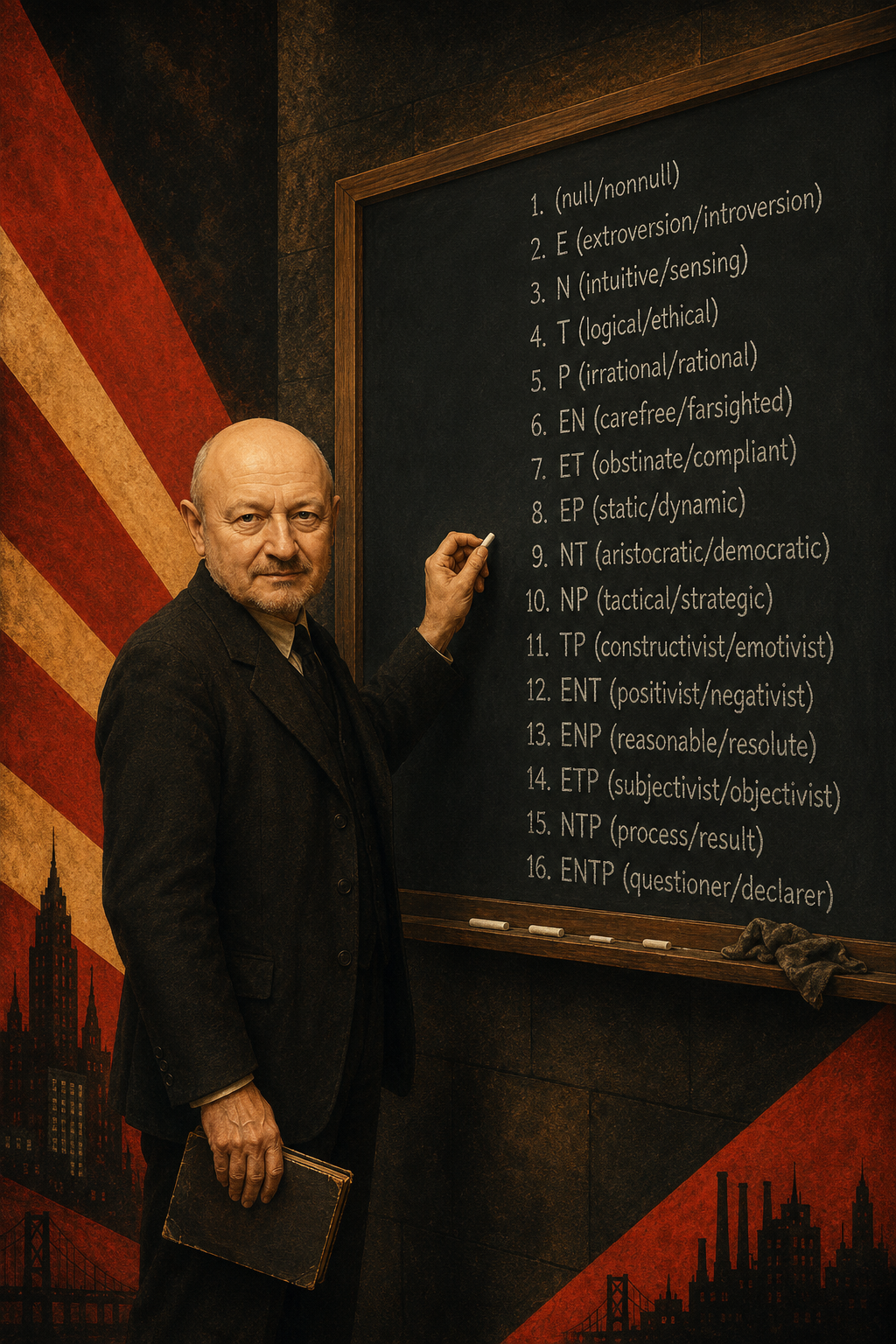
The sixteen types are generated by four independent binary distinctions. Once those four switches exist, the mathematics does not stop at four: every non-empty combination of the four can itself be read as a balanced split of the socion. Four independent binary axes produce 24 - 1 = 15 non-zero ways to divide the sixteen types into two equal groups of eight.
The first four are the familiar Jungian dichotomies: the foundation distinctions from which the type system is generated. The remaining eleven are the Reinin dichotomies, named for Grigoriy Reinin, a mathematician, psychologist, and early socionics researcher associated with Augusta's circle. Reinin gave the additional dichotomies their mathematical basis by showing that the type structure implies fifteen symmetrical type traits, not merely the four foundation splits.
This does not mean every derived dichotomy is equally useful for typing or equally settled in interpretation. It means the breakdown is structurally demanded by the sixteen-type matrix. Each type belongs to one side of every dichotomy; taken together, those fifteen placements uniquely locate the type inside the socion. The cards below present the full table as paired visual oppositions: Jungian first, Reinin second.
Animated Map
Fifteen Balanced Splits
Every non-empty combination of the four foundation switches divides the sixteen types into two equal groups of eight.
Loading
Side ASide B
E/IS/NT/FJ/P
Jungian Dichotomies
The Four Foundation Splits
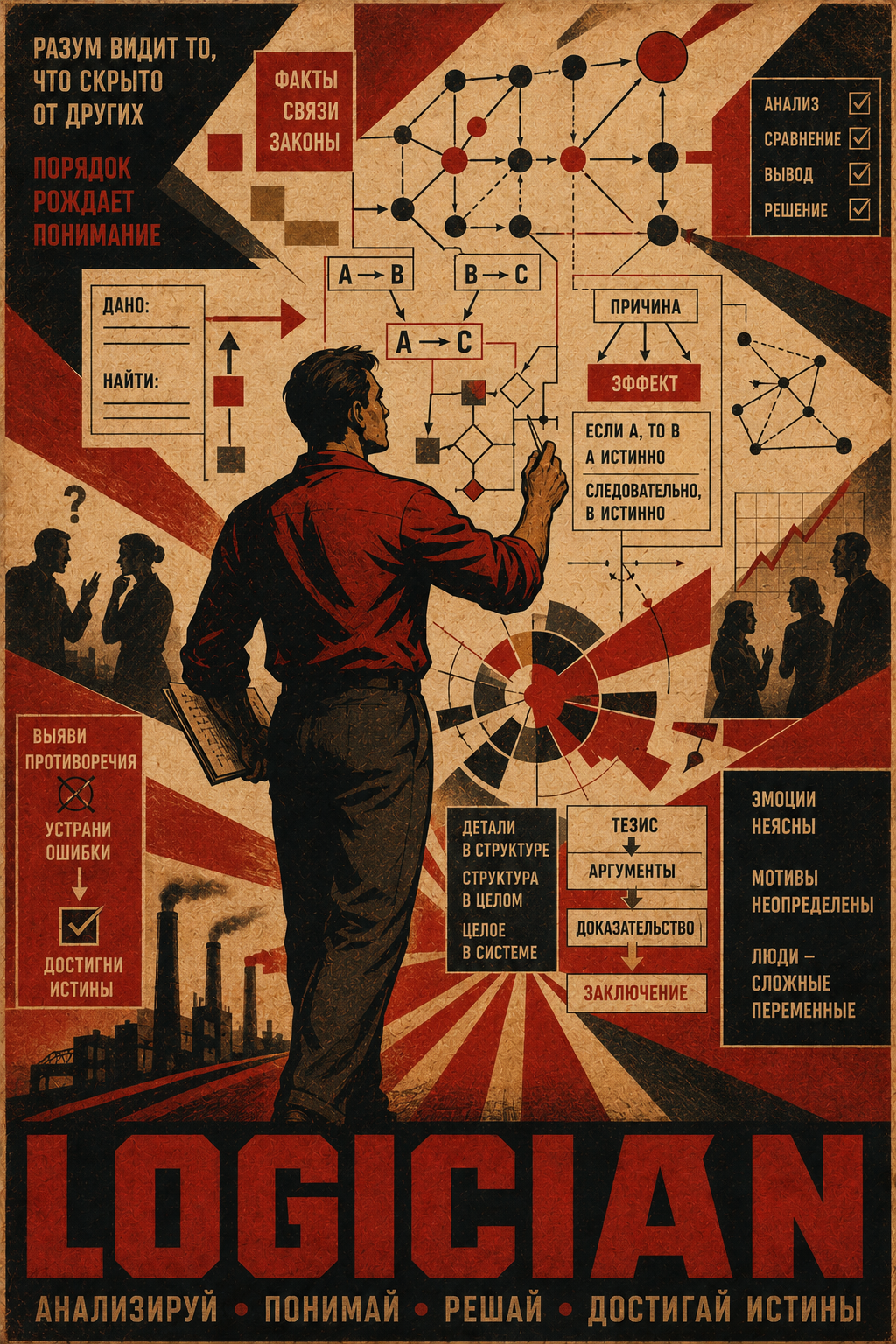
These four distinctions generate the sixteen classical sociotypes directly. They define orientation, perceptual strength, judgement strength, and rationality.
1. Energiser vs Integrator
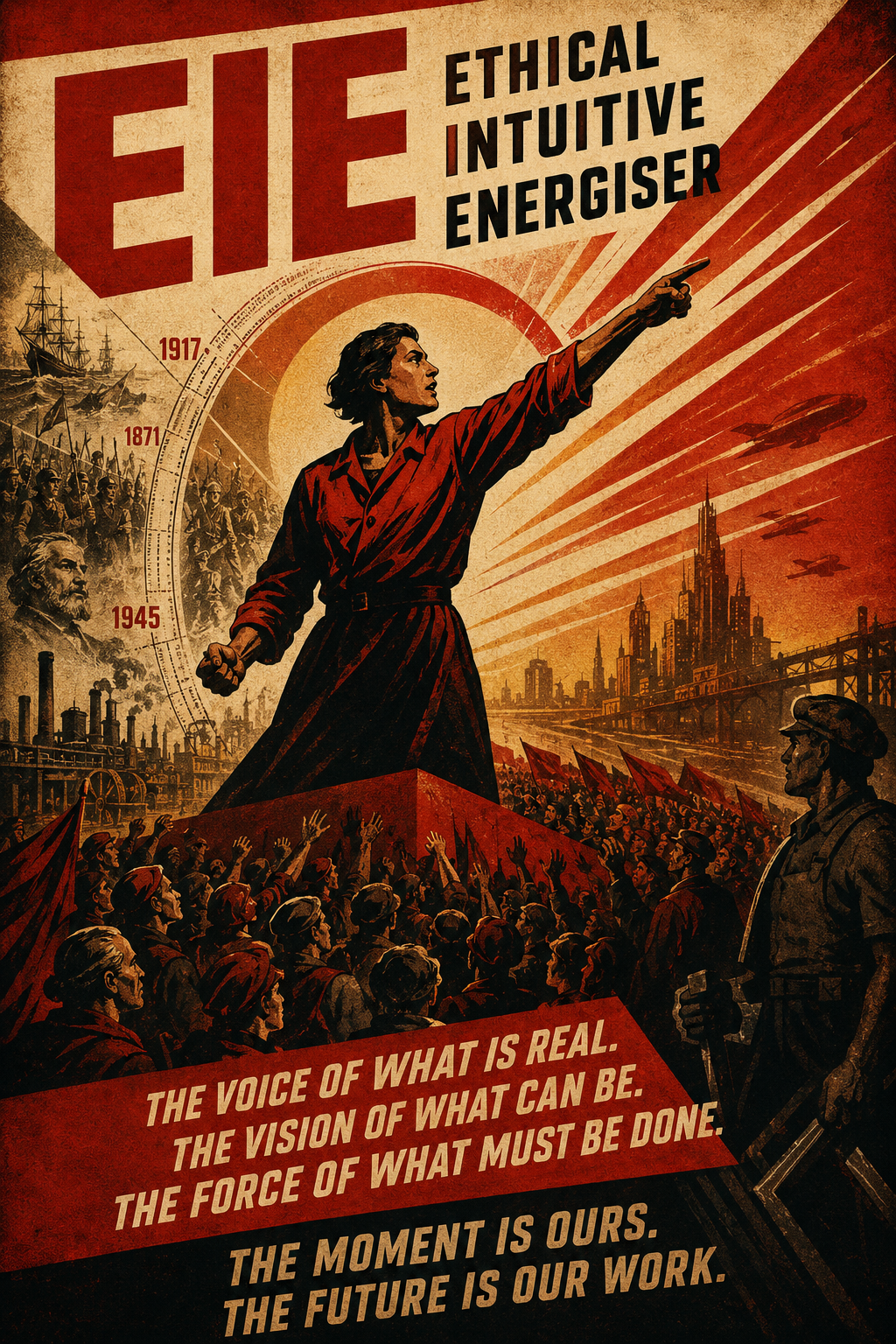
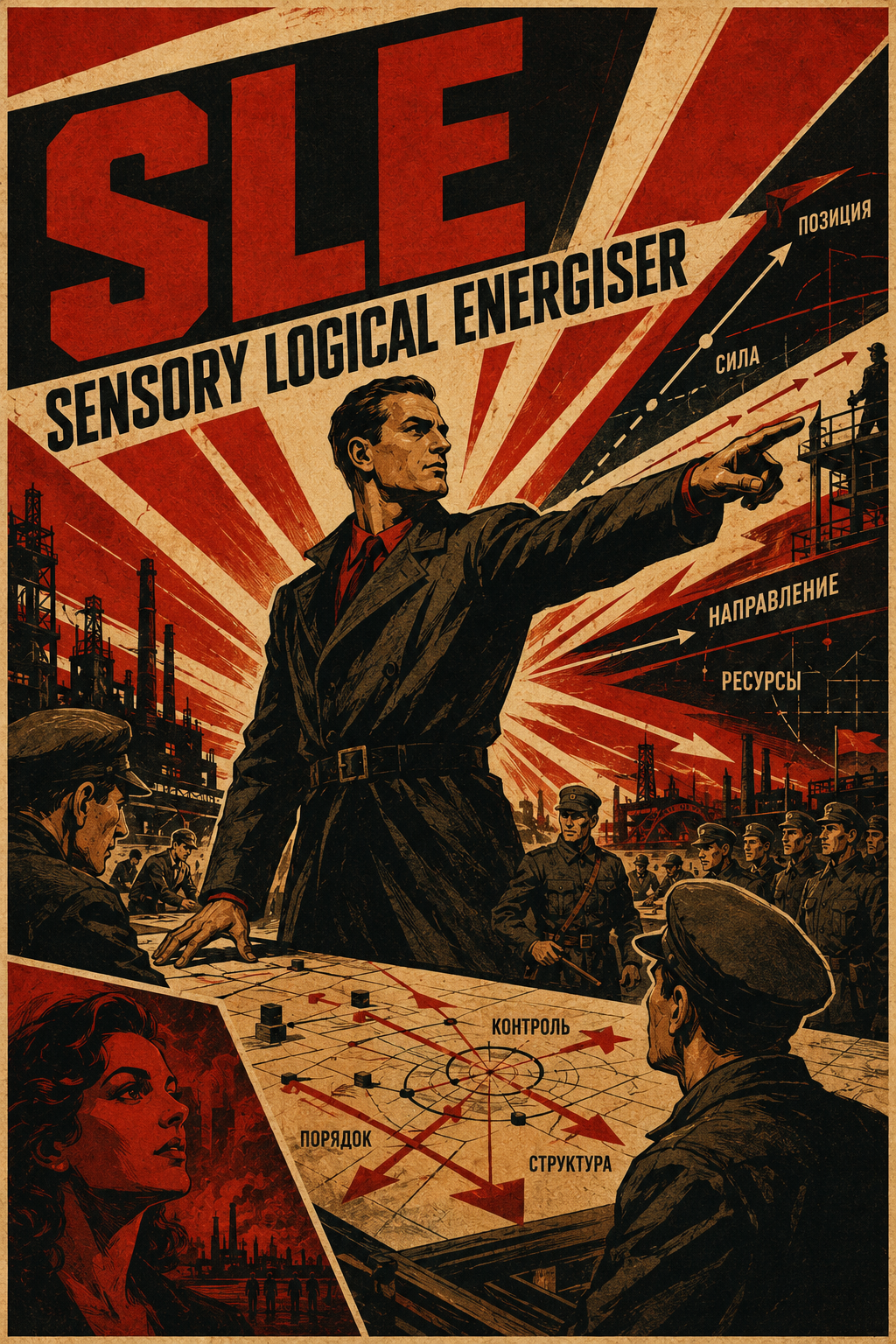
Energiser
Breadth-oriented, proactive, and inclined to start things. Extraverted elements occupy the Obvious functions.
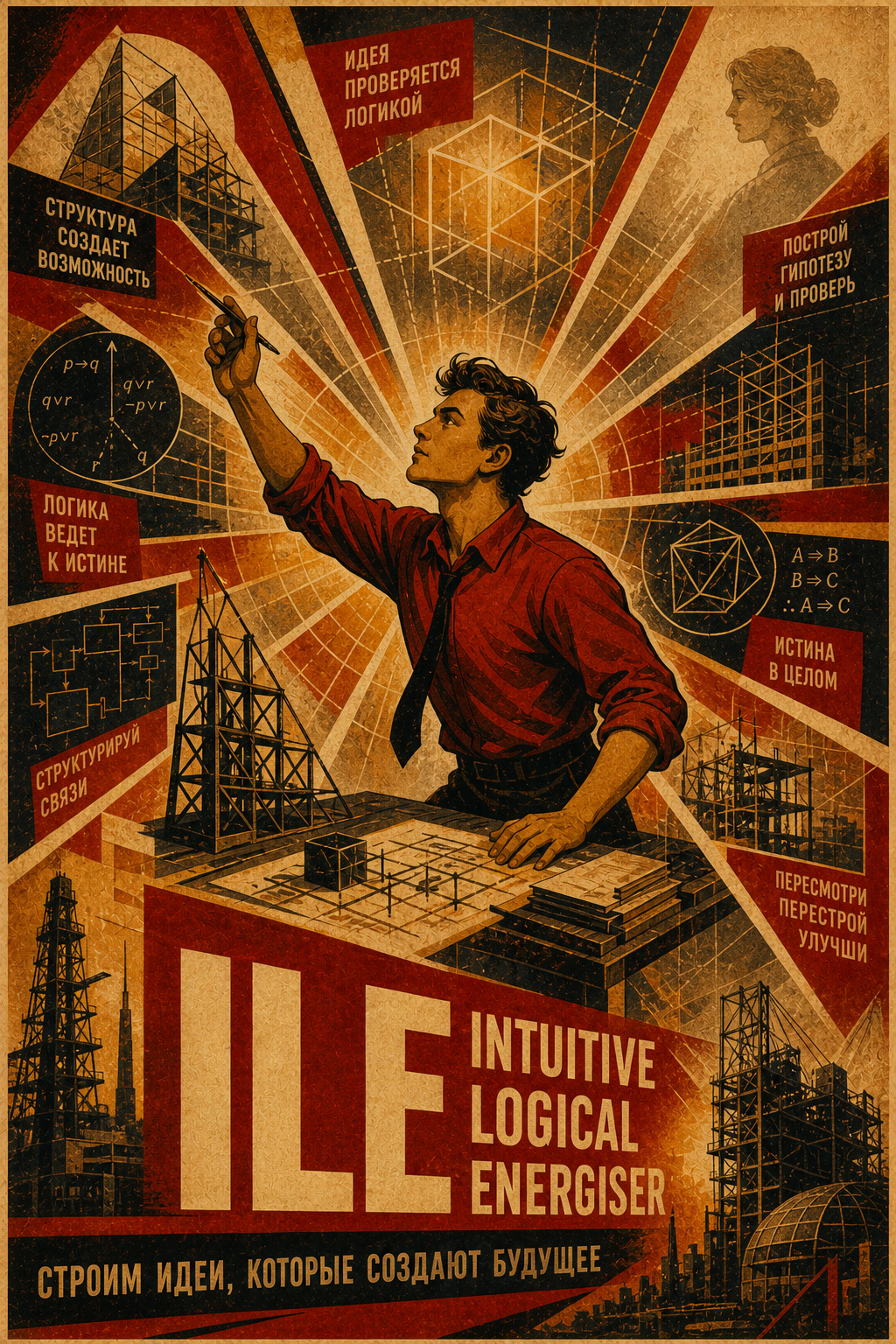
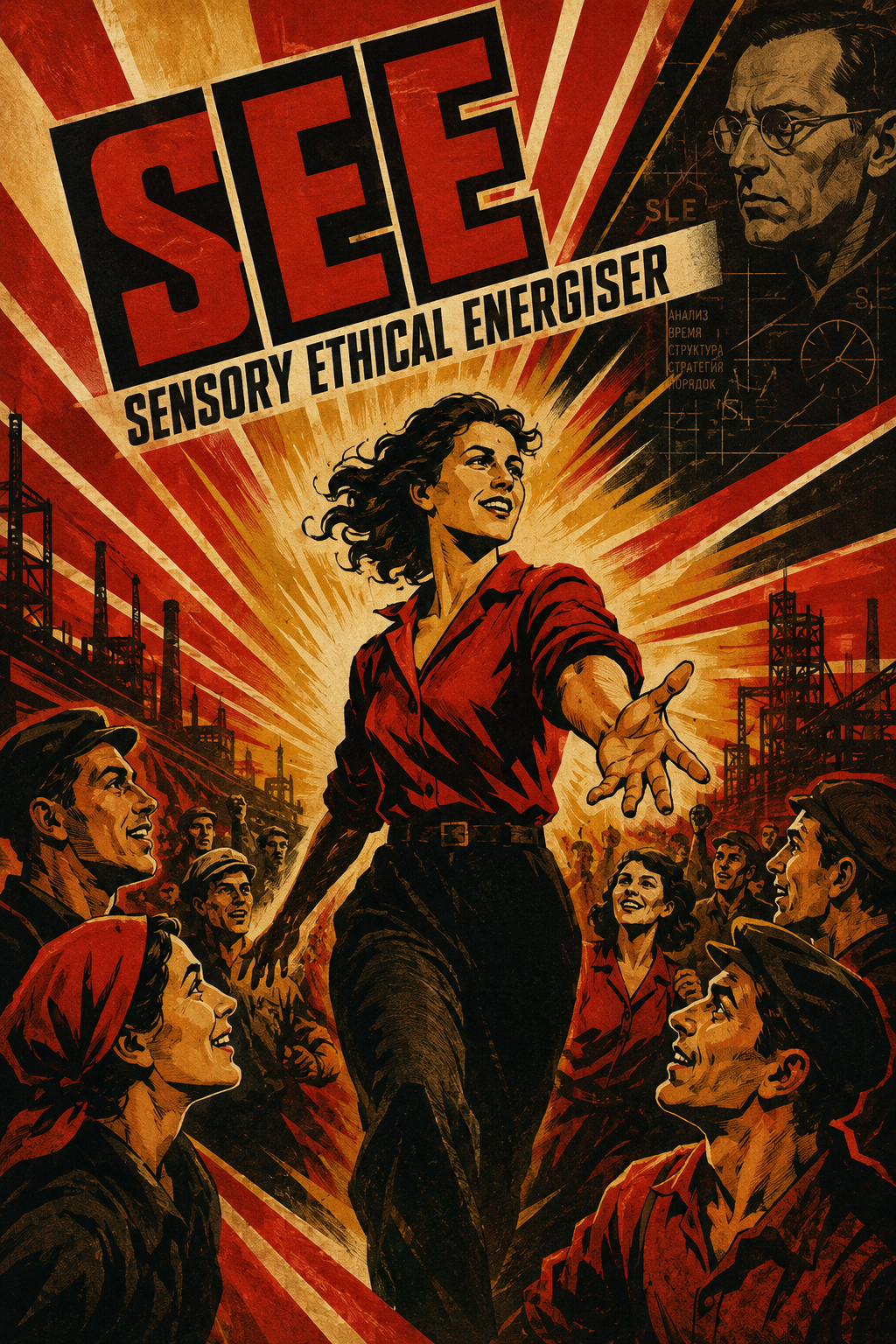
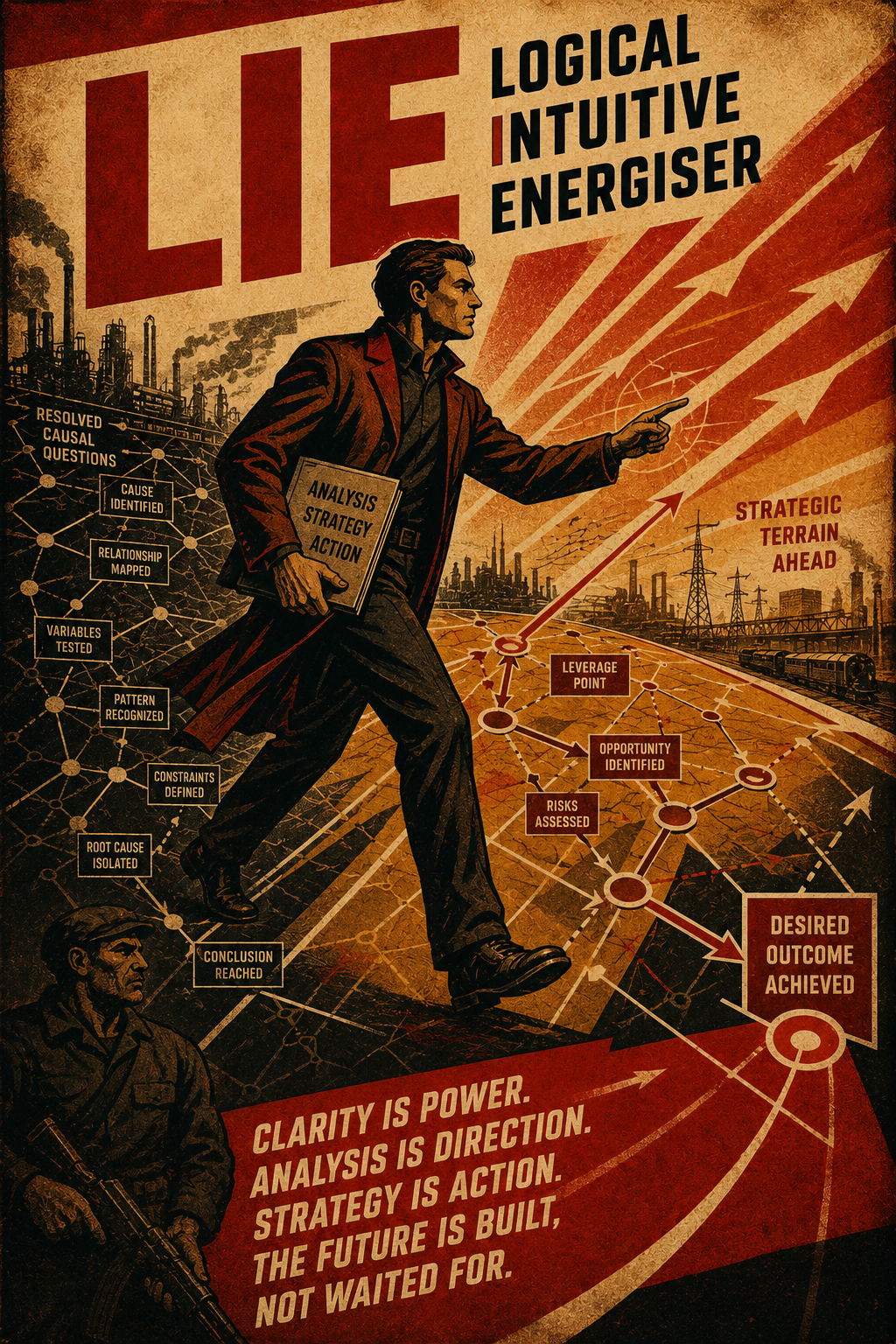
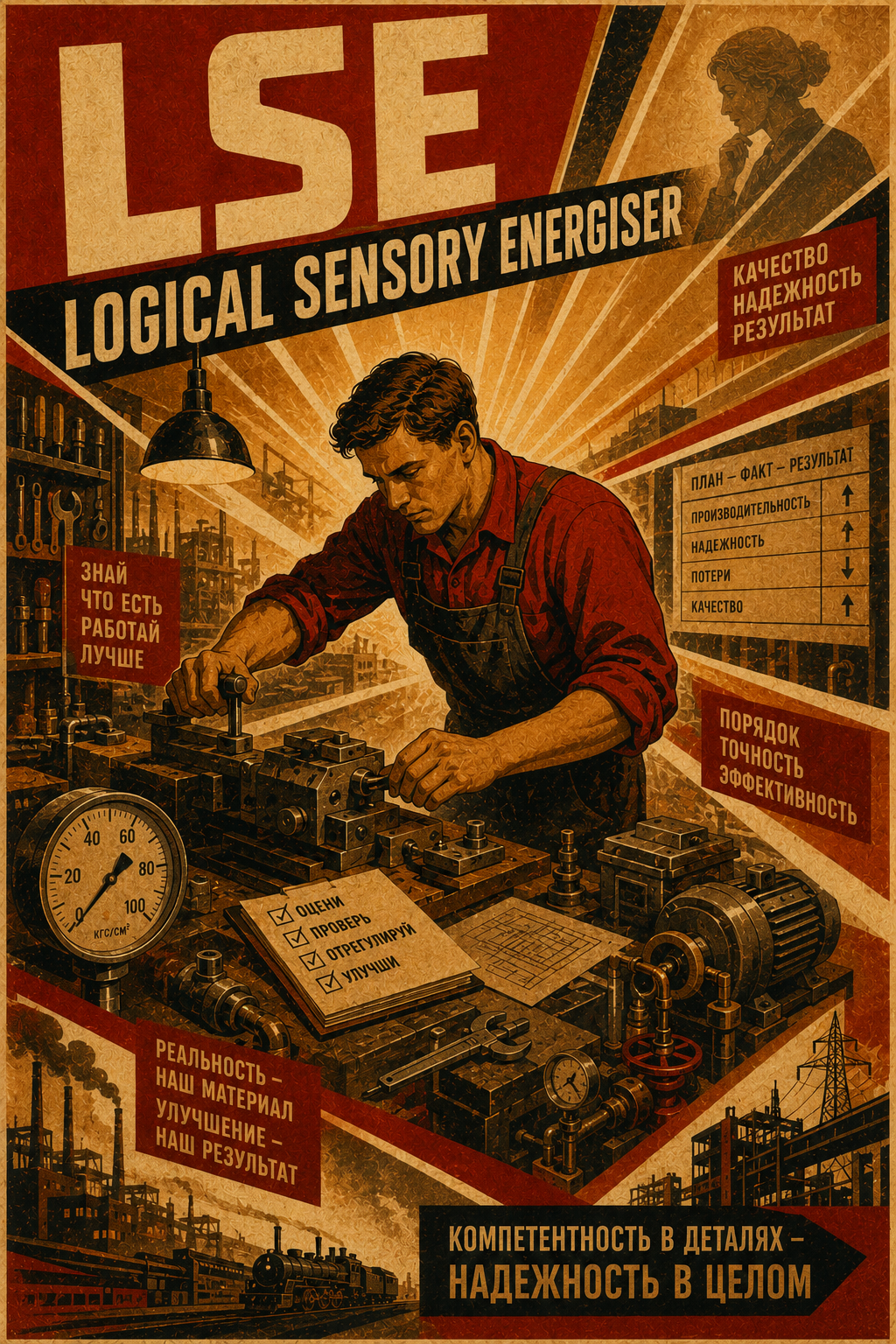
Energiser: ILE, ESE, EIE, SLE, SEE, LIE, LSE, IEE
Integrator
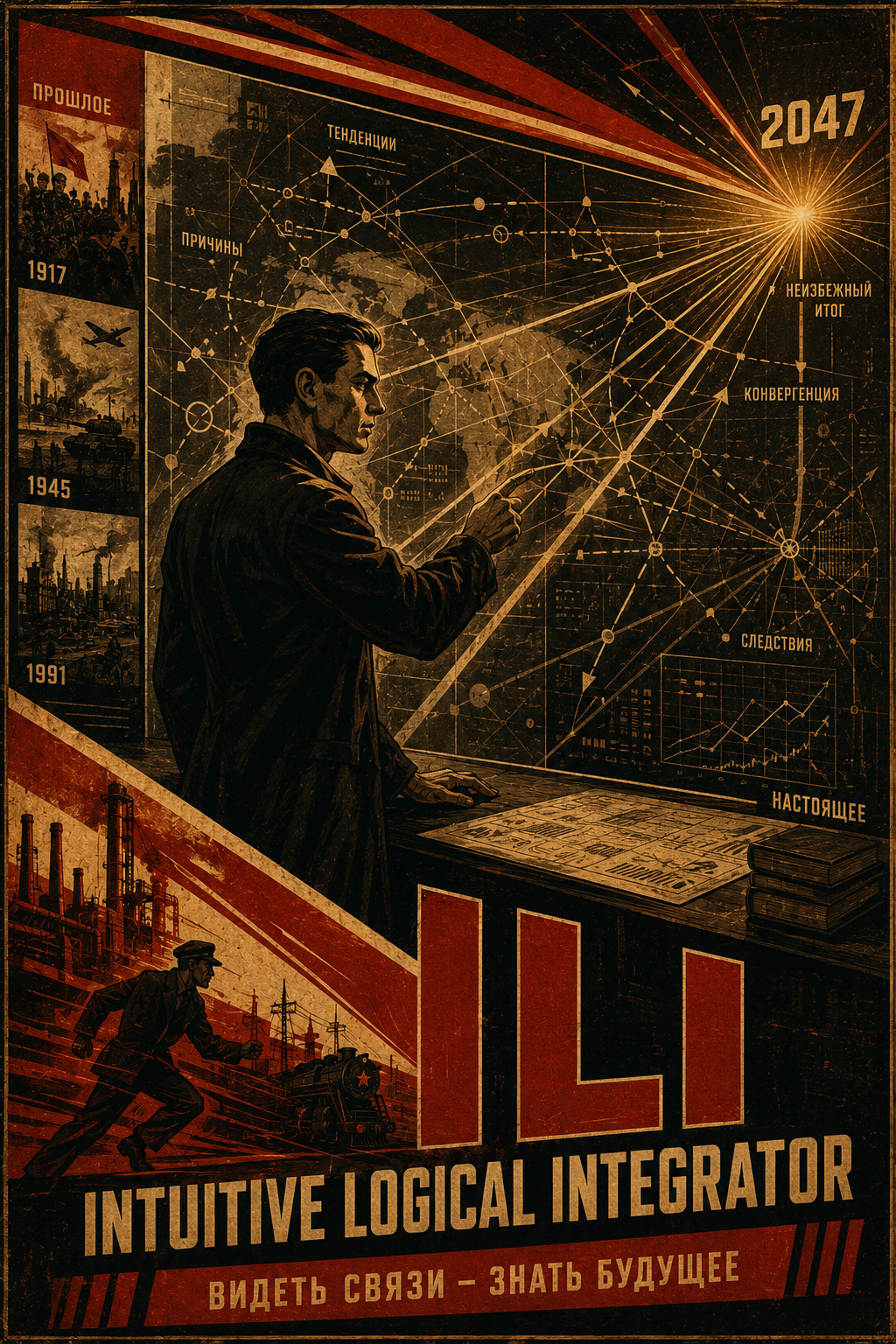
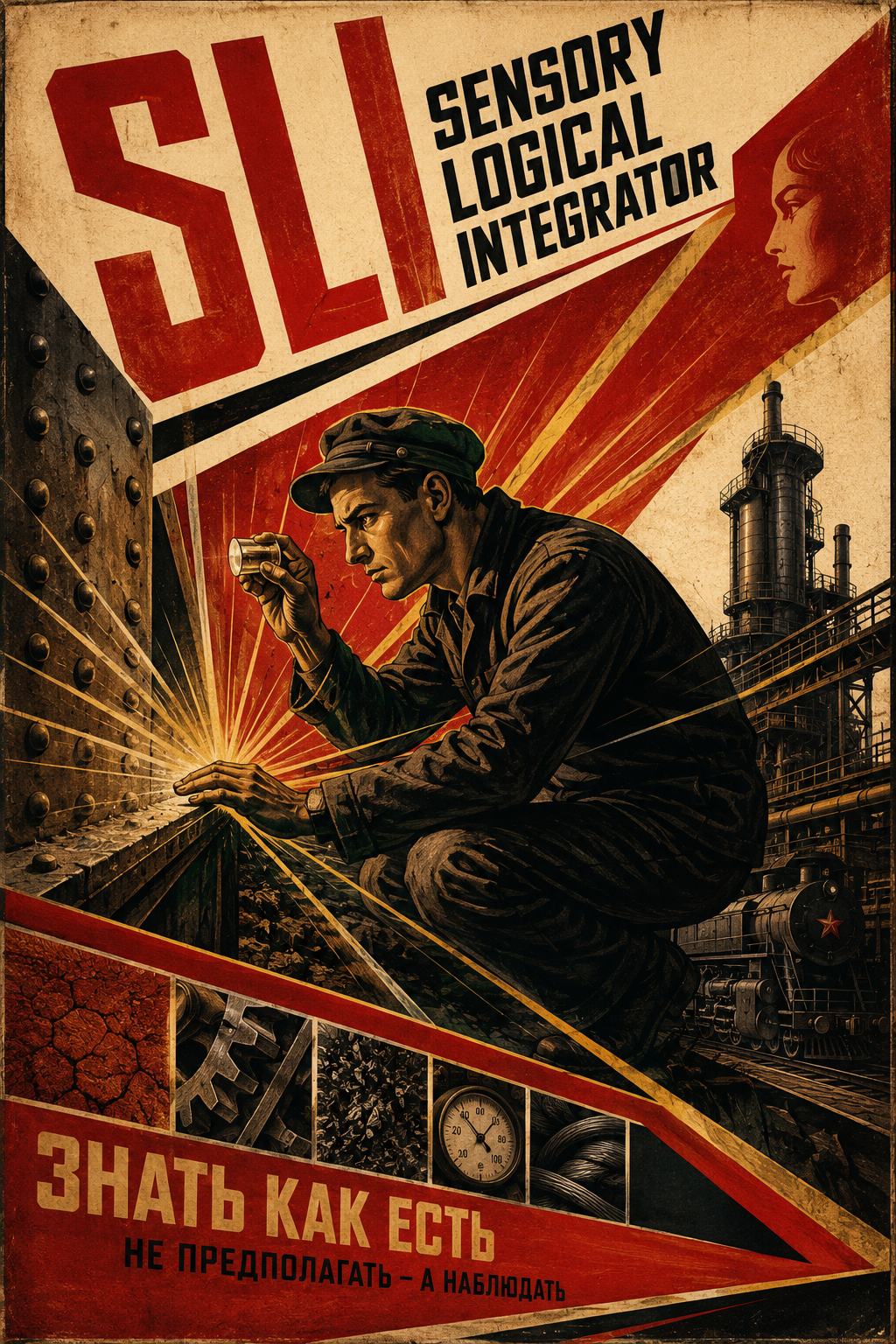
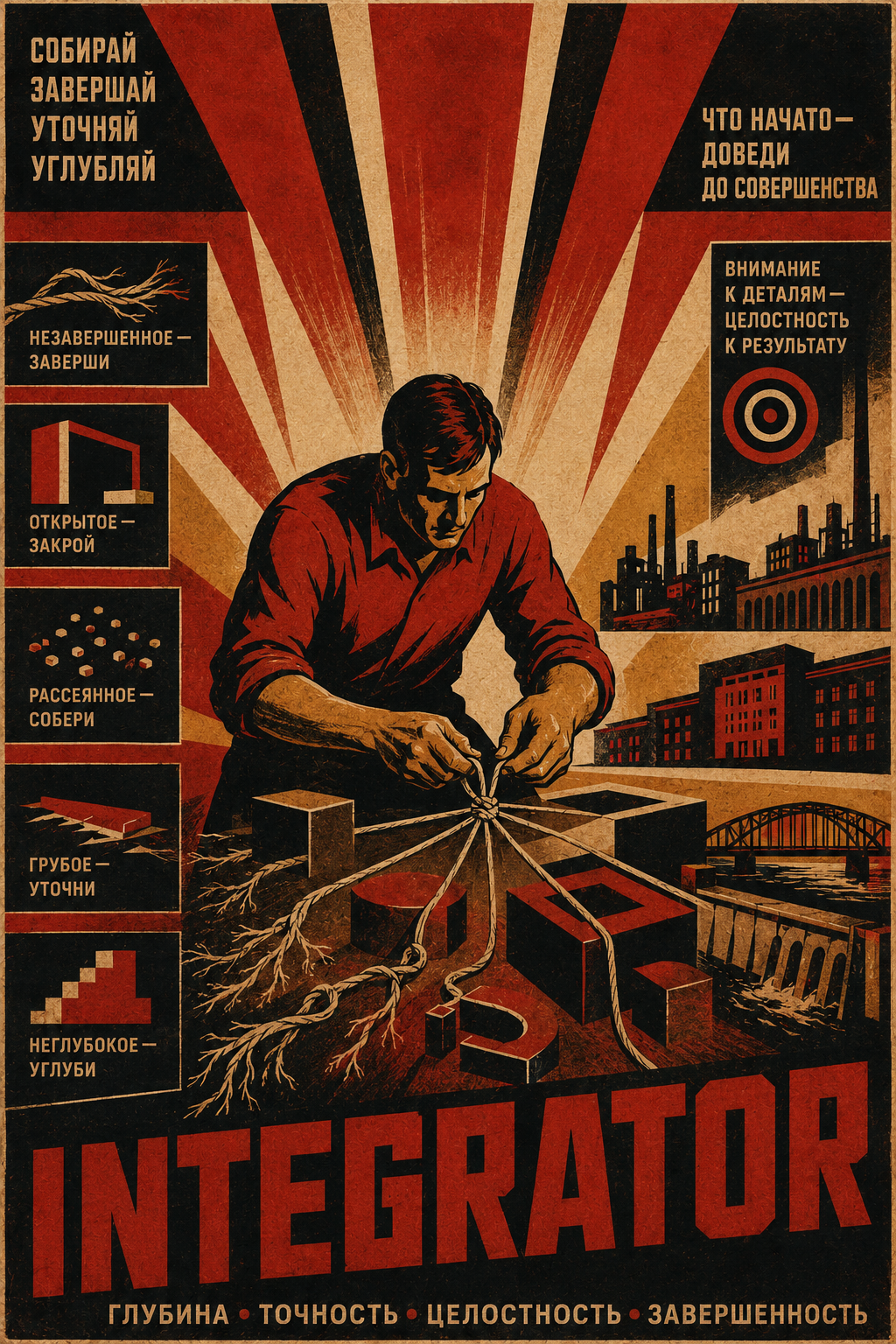
Depth-oriented, reactive, and inclined to finish things. Introverted elements occupy the Obvious functions.
Whether extraverted elements occupy the Obvious functions (1, 3, 6, 8) or introverted ones do. Energisers are breadth-oriented, proactive, and tend to start things; Integrators are depth-oriented, reactive, and tend to finish things.
Traditionally: E/I, derived here from function structure rather than asserted directly.
2. Sensory vs Intuitive
Sensory
Confident with concrete reality, physical detail, and managing the immediate world.
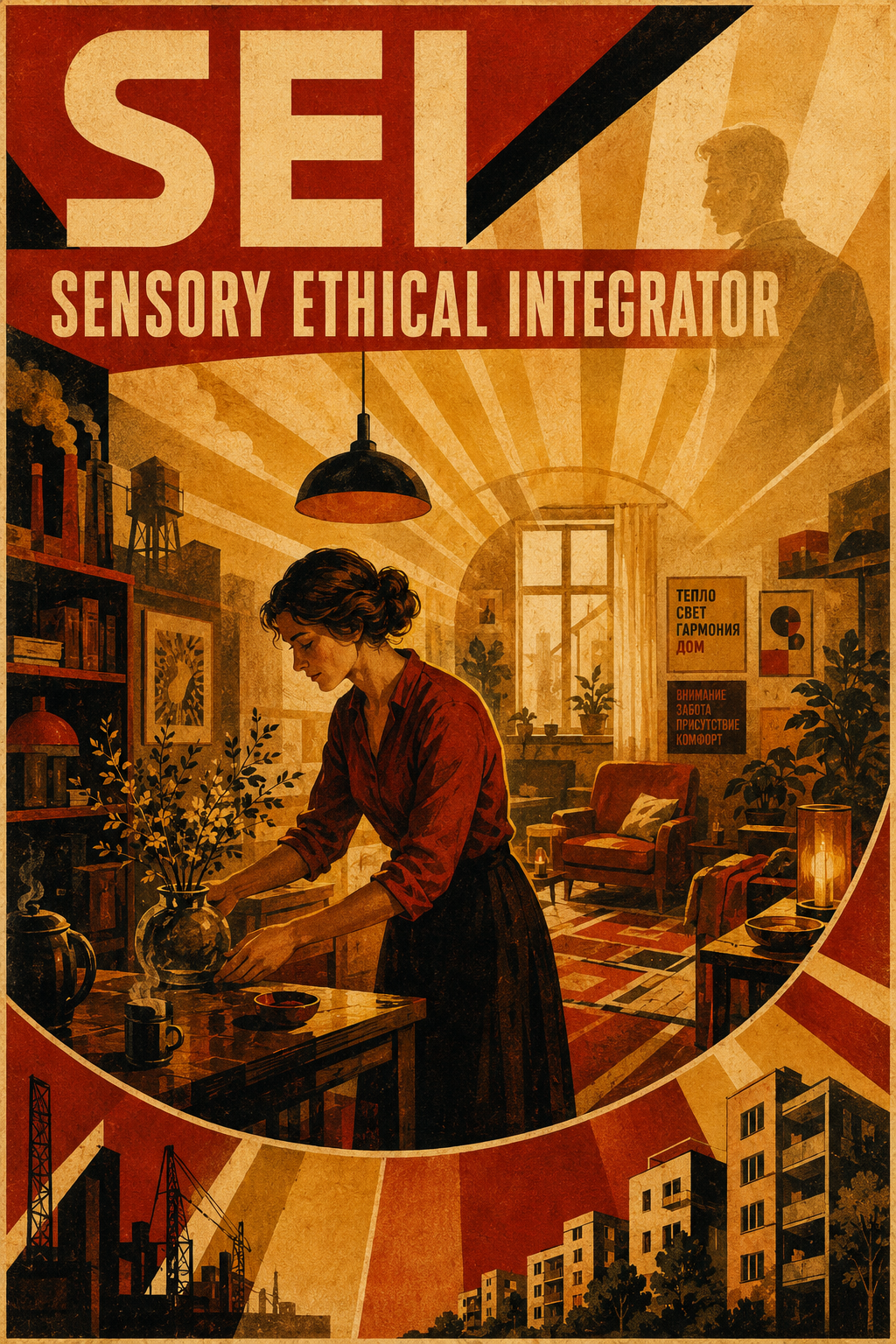
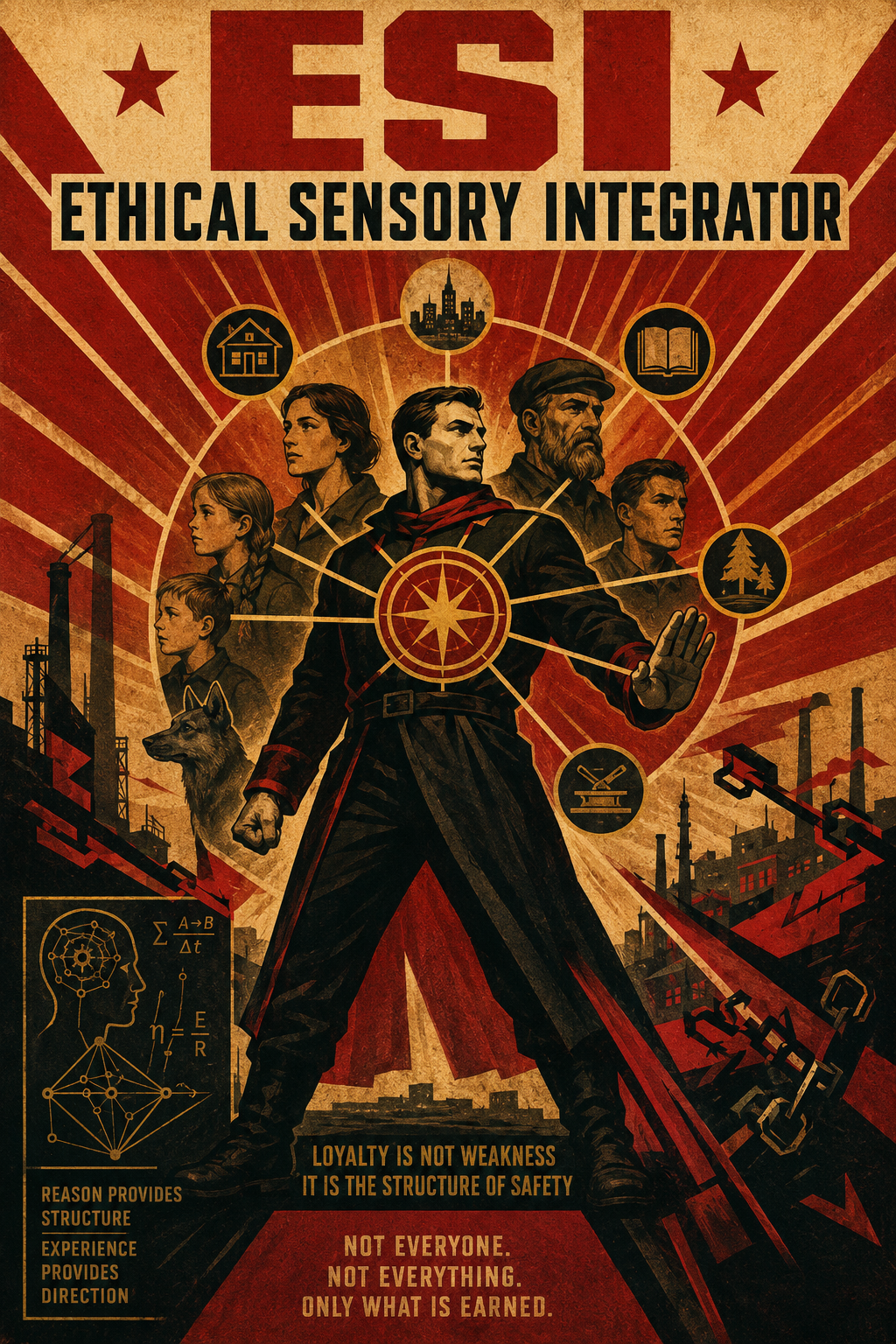
Sensory: SEI, ESE, LSI, SLE, SEE, ESI, LSE, SLI
Intuitive
Confident with abstraction, possibility, pattern, and meanings beyond the immediate concrete field.
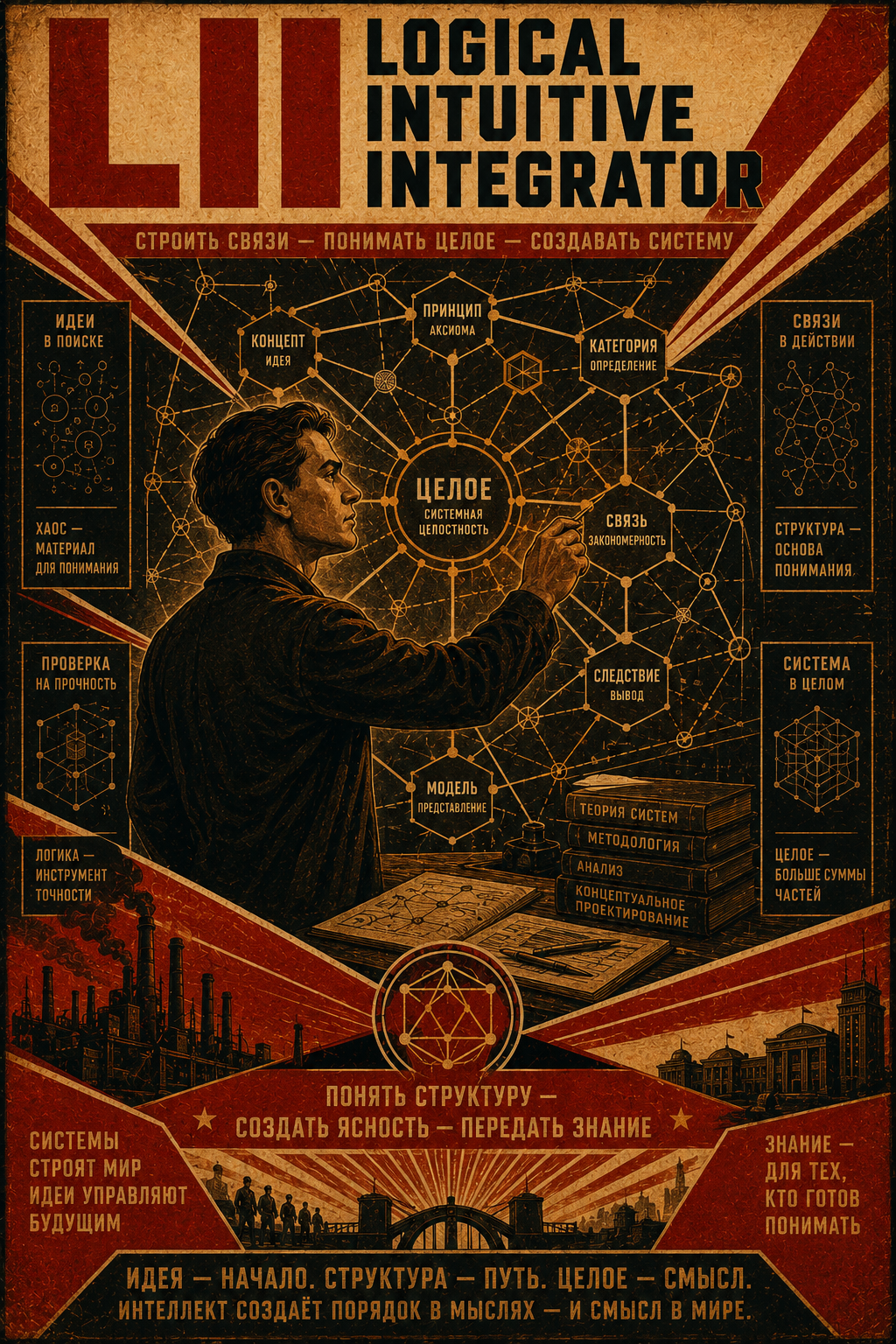
Intuitive: ILE, LII, EIE, IEI, ILI, LIE, EII, IEE
Whether sensory elements occupy the Strong functions (1, 2, 7, 8) or intuitive ones do. Sensors are confident managing concrete reality and physical detail; Intuitors are confident with abstraction, possibility, and pattern.
3. Logical vs Ethical
Logical
Confident reasoning with facts, systems, mechanisms, and impersonal structure.
Logical: ILE, LII, LSI, SLE, ILI, LIE, LSE, SLI
Ethical
Confident reading people, values, relational meaning, and emotional dynamics.
Ethical: SEI, ESE, EIE, IEI, SEE, ESI, EII, IEE
Whether logical elements occupy the Strong functions or ethical ones do. Logicians reason confidently with facts, systems, and mechanisms; Ethicists read people, values, and emotional dynamics confidently.
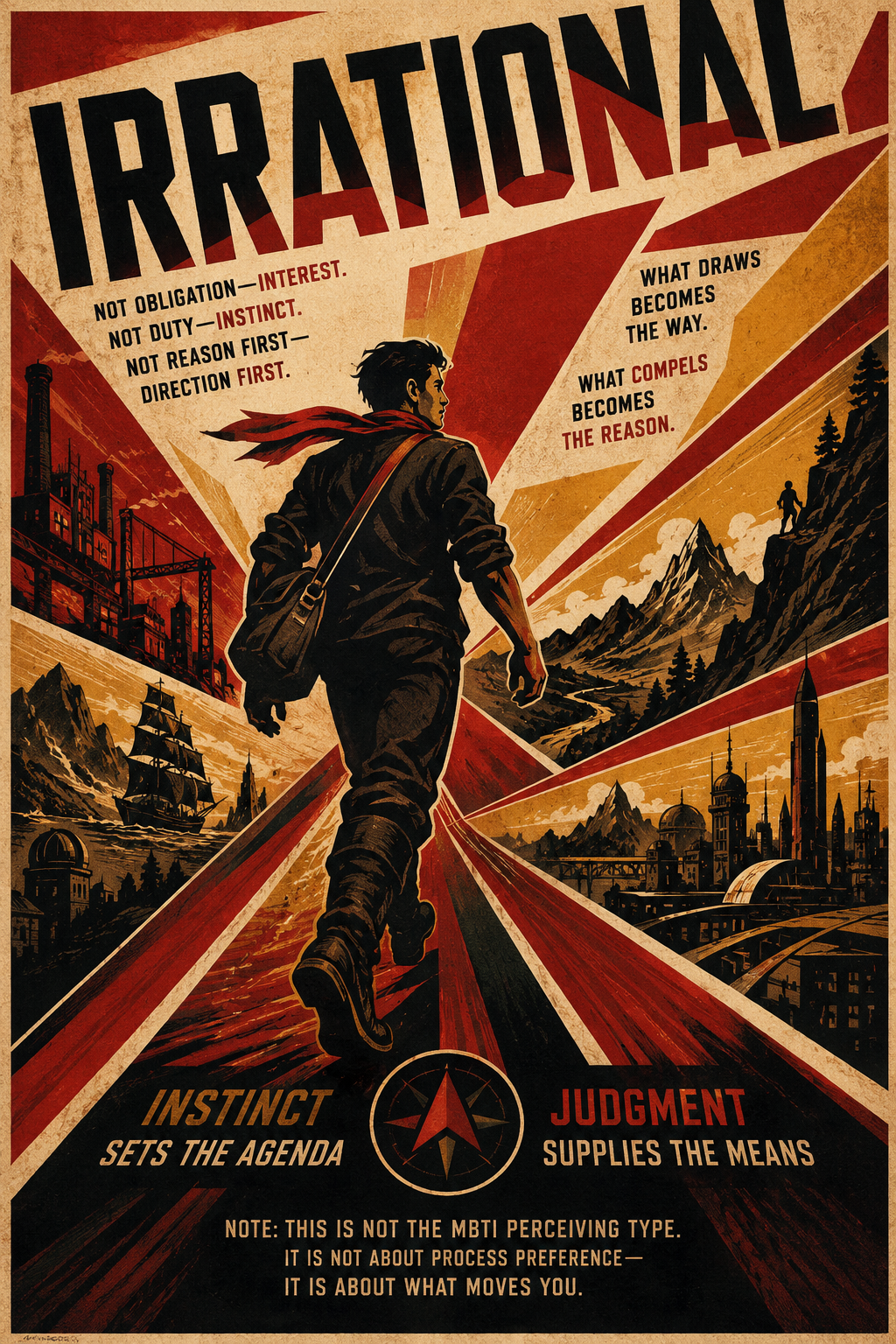
4. Rational vs Irrational
Rational
Motivated by acknowledged obligations, using desires and interests to support them.
Rational: ESE, LII, EIE, LSI, LIE, ESI, LSE, EII
Irrational
Motivated by interests and instincts, using obligations to justify or organise them.
Irrational: ILE, SEI, SLE, IEI, SEE, ILI, IEE, SLI
Whether judgement elements occupy the Demanding functions (1, 3, 5, 7) or perception elements do. Rationals are motivated by acknowledged obligations and use desires to support them; Irrationals are motivated by interests and instincts and use obligations to justify their desires.
Traditionally: not the MBTI J/P distinction.
Reinin Dichotomies
The Eleven Derived Splits
Reinin dichotomies divide the same sixteen types into paired groups of eight by combining the four foundation dichotomies. They are structural consequences of the type system; their psychological meanings are secondary interpretations and should be applied with care.
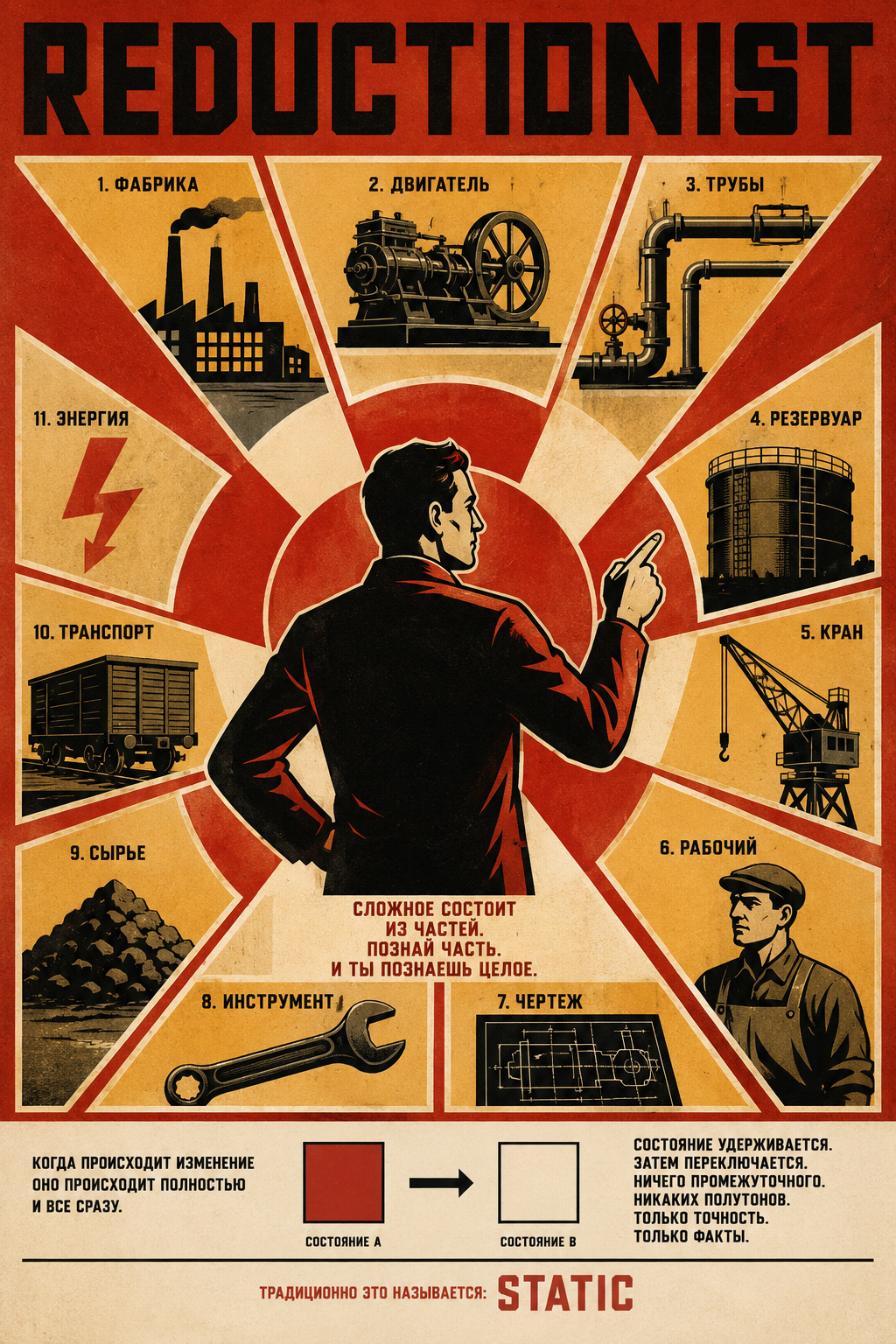
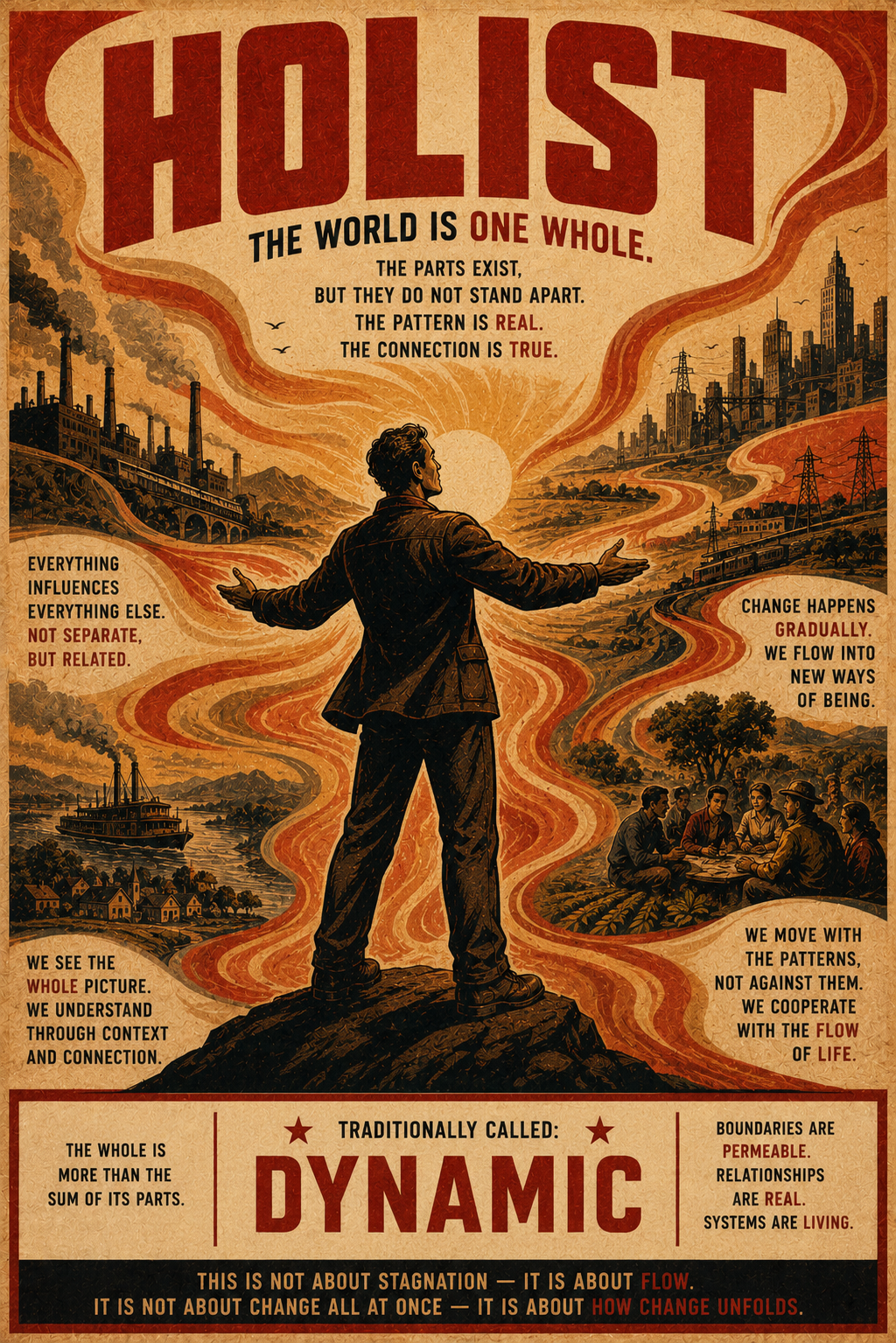
5. Reductionist vs Holist
Reductionist
Sees separate, bounded pieces and complete state-shifts. Static elements occupy Public functions.
Reductionist: ILE, LII, LSI, SLE, SEE, ESI, EII, IEE
Holist
Sees continuous interconnection, gradual transitions, and the whole before the parts. Dynamic elements occupy Public functions.
Holist: SEI, ESE, EIE, IEI, ILI, LIE, LSE, SLI
Whether static elements occupy the Public functions (1-4) or dynamic ones do. Reductionists see the world in separate, bounded pieces and complete state-shifts; Holists see continuous interconnection, gradual transitions, and the whole picture before the parts.
Traditionally: Static/Dynamic.
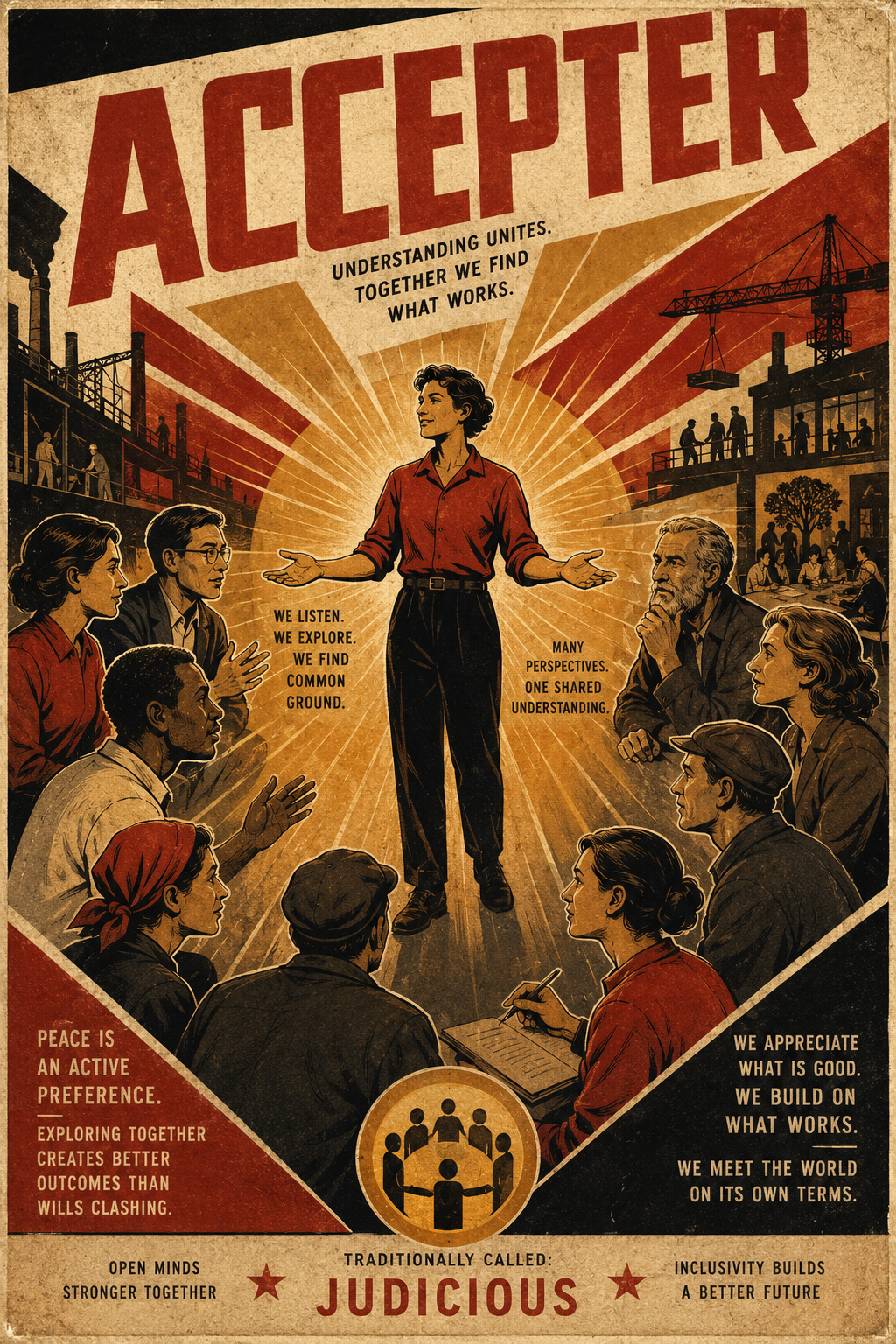
6. Accepter vs Rejecter
Accepter
Disposed toward peacekeeping, exploration, appreciation, and consensus. Appreciating elements are Valued.
Accepter: ILE, SEI, ESE, LII, LSE, EII, IEE, SLI
Rejecter
Disposed toward confrontation, impact, clashing wills, and leaving a mark. Repudiating elements are Valued.
Rejecter: EIE, LSI, SLE, IEI, SEE, ILI, LIE, ESI
Whether appreciating elements or repudiating elements are Valued. Accepters tend toward peacekeeping, exploration, appreciation, and consensus; Rejecters tend toward confrontation, impact, clashing wills, and leaving a mark.
Traditionally: Judicious/Decisive.
7. Clarifier vs Integrifier
Clarifier
Values personality, clear principles, guiding philosophy, group enthusiasm, and signal over noise.
Clarifier: ILE, SEI, ESE, LII, EIE, LSI, SLE, IEI
Integrifier
Values character, competence, case-by-case judgement, matter-of-fact communication, and preserving complexity.
Integrifier: SEE, ILI, LIE, ESI, LSE, EII, IEE, SLI
Whether resolving elements or differentiating elements are Valued. Clarifiers value personality, clear principles, guiding philosophy, enthusiastic group communication, and signal over noise; Integrifiers value character, competence, case-by-case judgement, matter-of-fact one-to-one communication, and keeping the noise even at the expense of signal.
Traditionally: Merry/Serious.
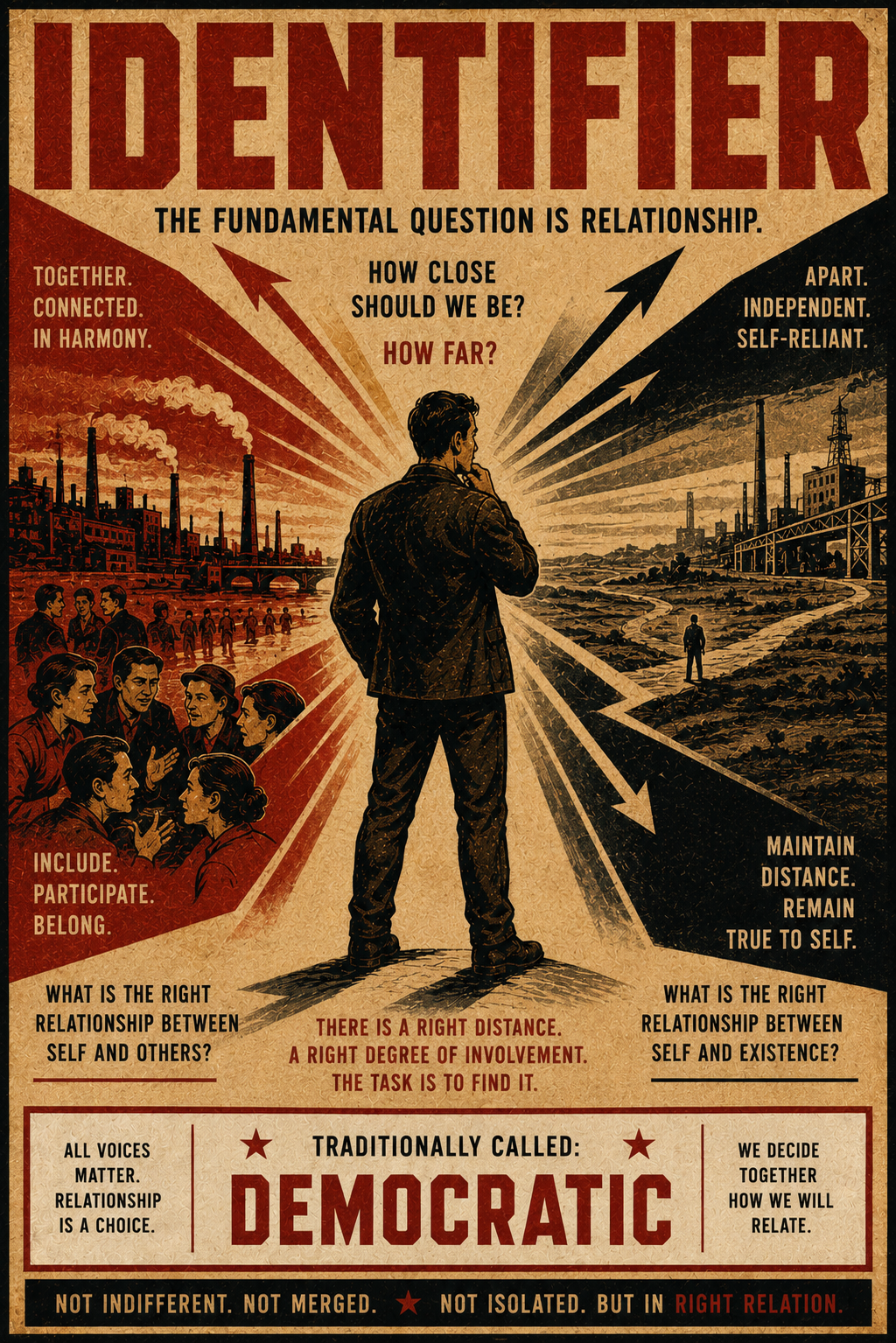
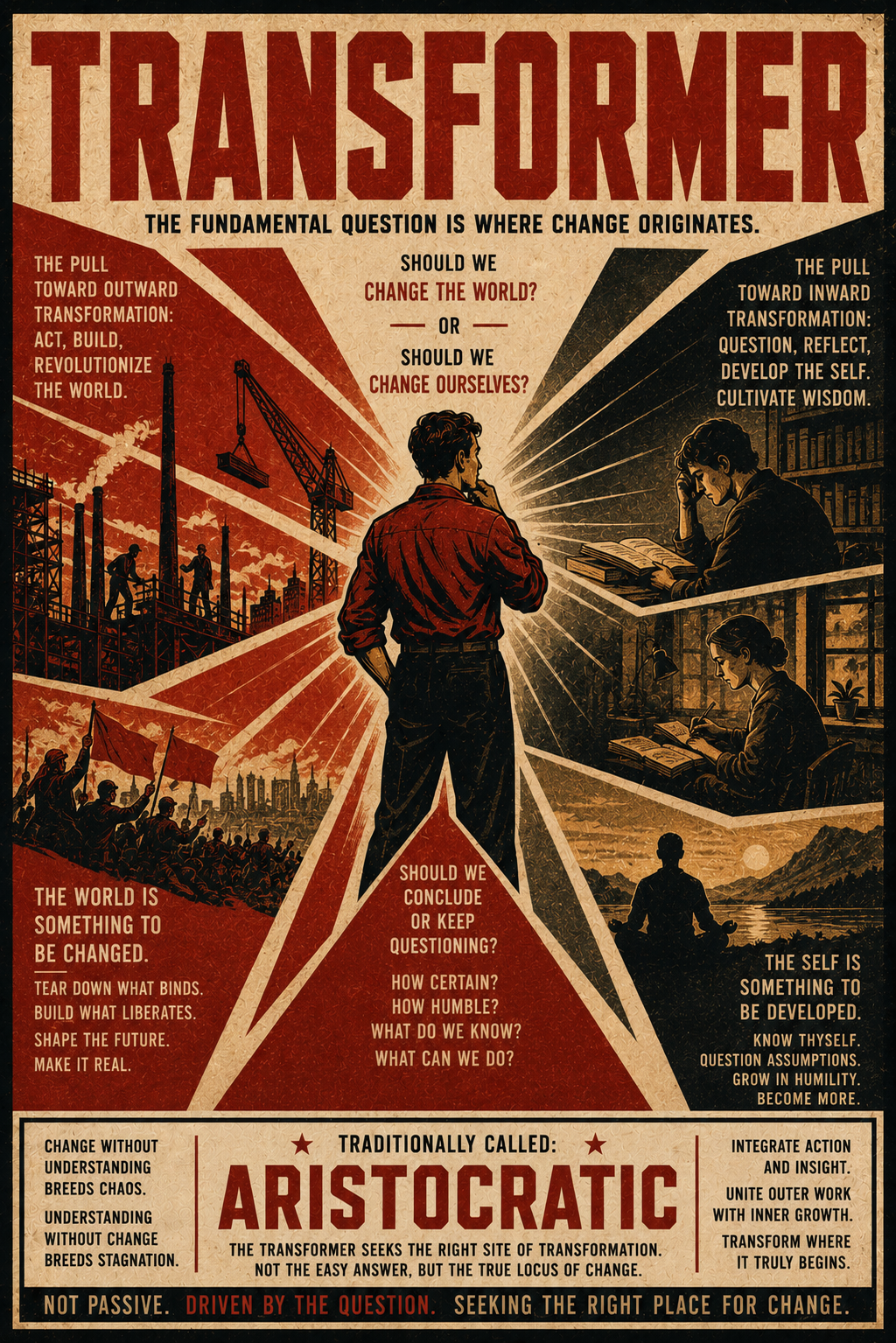
8. Identifying vs Transforming
Identifying
Seeks the right relationship with existence: closeness versus distance, harmony versus independence.
Identifying: ILE, SEI, ESE, LII, SEE, ILI, LIE, ESI
Transforming
Seeks the right locus of change: changing the universe versus developing oneself.
Whether the type arranges stubborn and flexible elements around identity or transformation. Identifying types seek the right relationship with existence: closeness versus distance, harmony versus independence. Transforming types seek the right locus of change: changing the universe versus developing oneself.
Traditionally: Democratic/Aristocratic.
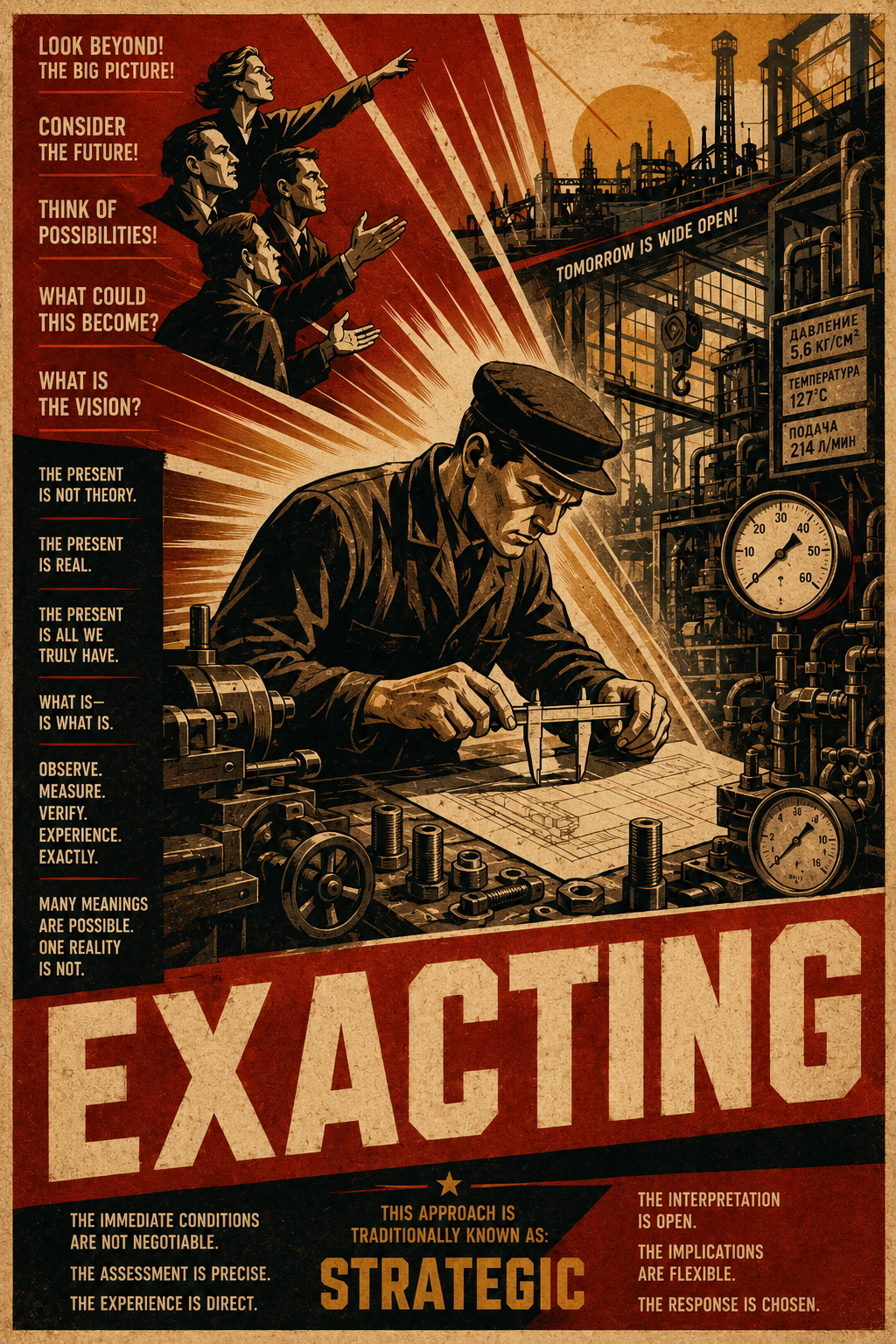
9. Determined vs Exacting
Determined
Fixed in views of future outcomes and aims. Intuitive elements are in the Stubborn functions.
Determined: SEI, LII, EIE, SLE, SEE, LIE, EII, SLI
Exacting
Fixed in views of present conditions and detail. Sensory elements are in the Stubborn functions.
Exacting: ILE, ESE, LSI, IEI, ILI, ESI, LSE, IEE
Whether intuitive or sensory elements are in the Stubborn functions. Determined types are fixed in their view of future outcomes and aims; Exacting types are fixed in their view of present conditions, detail, and what they will experience.
Traditionally: Strategic/Tactical.
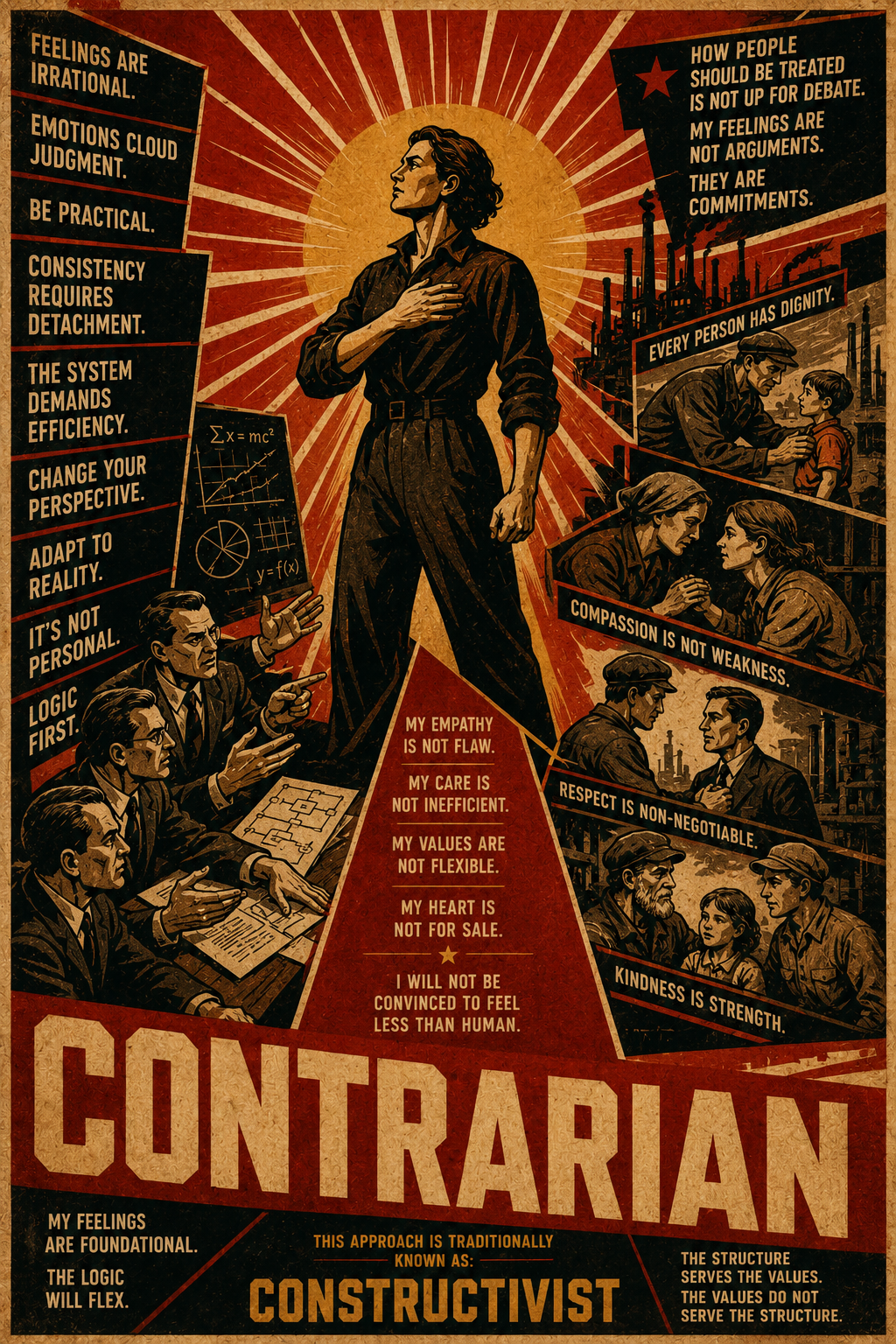
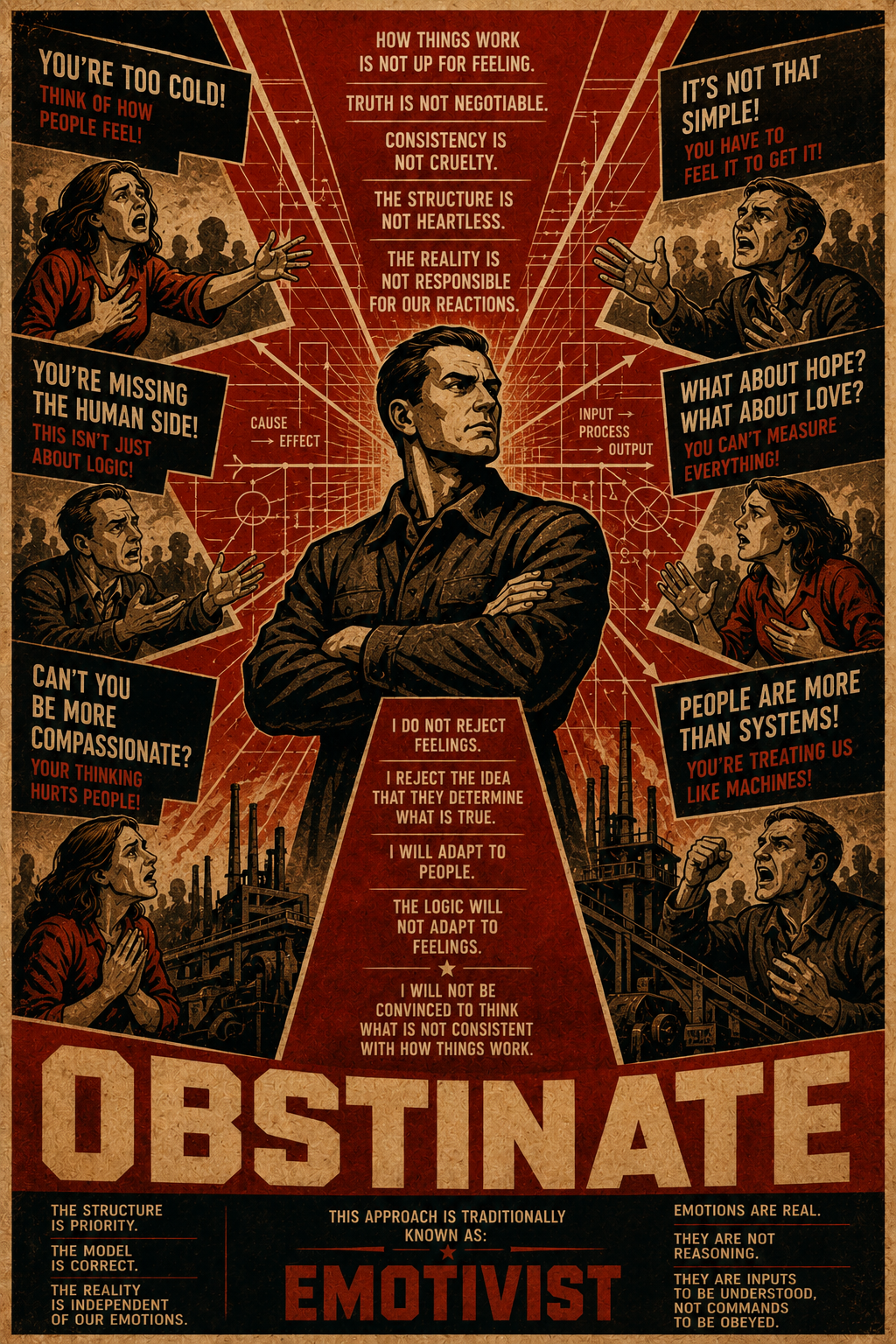
10. Contrarian vs Obstinate
Contrarian
Fixed in how they are feeling and in the right way to treat others. Ethical elements are Stubborn.
Contrarian: ILE, ESE, EIE, SLE, ILI, ESI, EII, SLI
Obstinate
Fixed in what they are thinking and in the right way to understand how things work. Logical elements are Stubborn.
Obstinate: SEI, LII, LSI, IEI, SEE, LIE, LSE, IEE
Whether ethical or logical elements are in the Stubborn functions. Contrarians are fixed in how they are feeling and in the right way to treat others; Obstinates are fixed in what they are thinking and in the right way to understand how things work.
Traditionally: Constructivist/Emotivist.
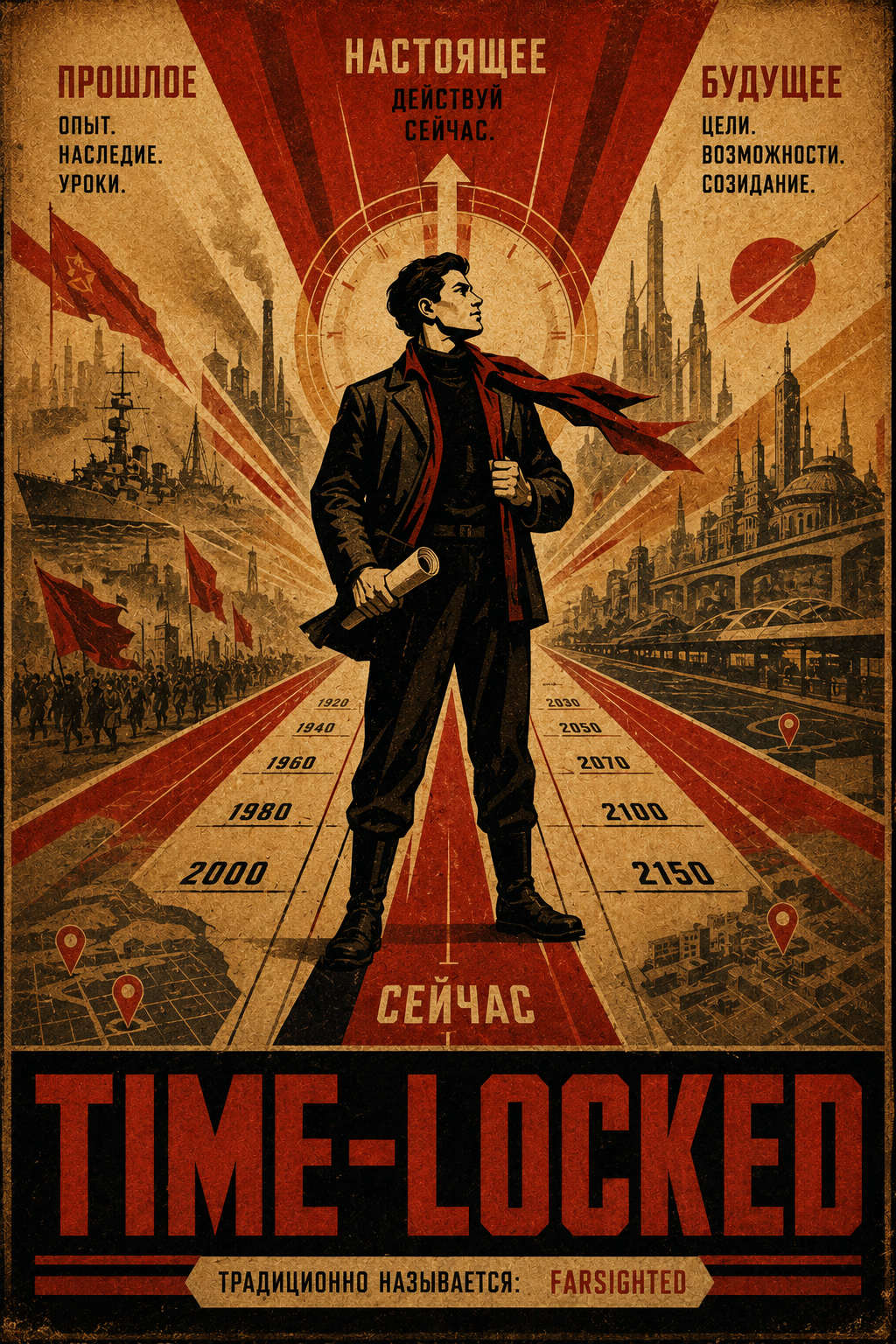
11. Space-Locked vs Time-Locked
Space-Locked
Confident being here or elsewhere, balancing strategy with tactics and spatial orientation.
Space-Locked: ILE, SEI, EIE, LSI, LIE, ESI, IEE, SLI
Time-Locked
Confident acting now or across past/future, balancing innovation with logistics and temporal orientation.
Time-Locked: ESE, LII, SLE, IEI, SEE, ILI, LSE, EII
Whether the type is confidently oriented to spatial or temporal relationships. Space-Locked types are confident being here or elsewhere and balancing strategy with tactics; Time-Locked types are confident acting now or across past/future and balancing innovation with logistics.
Traditionally: Carefree/Farsighted.
12. Sight-Locked vs Speech-Locked
Sight-Locked
Confident seeing facts or intentions through visual, observational, and between-the-lines processing.
Sight-Locked: ILE, SEI, SLE, IEI, LIE, ESI, LSE, EII
Speech-Locked
Confident saying what is true or what appeals through verbal and declarative processing.
Speech-Locked: ESE, LII, EIE, LSI, SEE, ILI, IEE, SLI
Whether the type is confidently oriented to visual/observational or verbal/declarative processing. Sight-Locked types are confident seeing facts or intentions; Speech-Locked types are confident saying what is true or what appeals.
Traditionally: Yielding/Obstinate, unrelated to the Obstinate side of dichotomy 10.
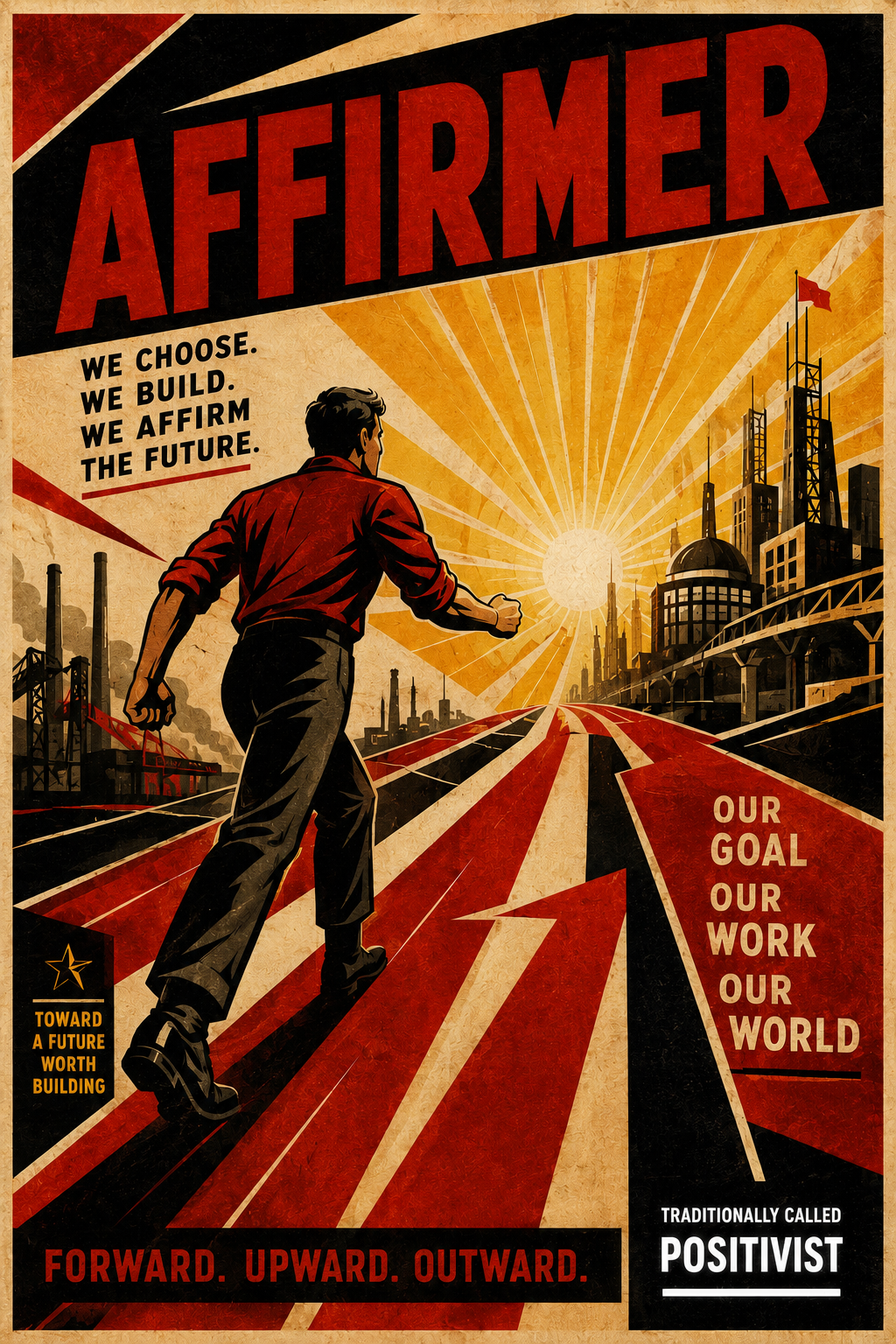
13. Affirmer vs Denier
Affirmer
Moves toward what is wanted, proposing and pursuing a valued path positively.
Affirmer: ILE, ESE, LSI, IEI, SEE, LIE, EII, SLI
Denier
Moves away from what is not wanted, defining the field by exclusion and refusal.
Denier: SEI, LII, EIE, SLE, ILI, ESI, LSE, IEE
Whether assertive functions move toward what is wanted or away from what is not wanted. Affirmers propose and pursue a valued path positively; Deniers define the field by exclusion, refusal, and moving away from what must not be accepted.
Traditionally: Positivist/Negativist.
14. Thetic vs Antithetic
Thetic
Sets out the valued path from within its quadra structure and tends toward sustainable balance.
Thetic: ILE, LII, EIE, IEI, SEE, ESI, LSE, SLI
Antithetic
Introduces a crucial outside element, bringing tension, correction, and redirecting pressure.
Whether the type sets out the valued path from within its quadra structure or introduces a crucial outside element that redirects it. Thetics tend toward sustainable balance; Antithetics bring tension, correction, and an outside pressure that changes the route.
Traditionally: Asking/Declaring.
15. Clockwise vs Anticlockwise
Clockwise
Information flow associated here with progress and forward movement through the Model A grid.
Clockwise: ILE, SEI, EIE, LSI, SEE, ILI, LSE, EII
Anticlockwise
Information flow associated here with consolidation, delay, and deepening what has been built.
The direction of information flow through the Model A grid. This is the all-four-foundation split, corresponding here to the classic Process/Result dichotomy.
Traditionally: Process/Result.
Structural tiers: dichotomies 1-4 are the Jungian foundation and generate the type code directly. Dichotomies 5-7 distinguish types within clubs. Dichotomies 8-12 describe deeper structural orientations. Dichotomies 13-15 describe the type's relationship to social and historical context.
Note: the mathematics establishes the existence of fifteen symmetrical divisions. It does not, by itself, prove every behavioural description attached to those divisions. The Jungian dichotomies remain the accepted foundation; the Reinin dichotomies are best treated as structural consequences whose practical interpretation is more tentative.
Small Groups
Seven Four-Type Families
Small groups divide the socion into four sets of four types. The chart data is encoded on each card through its group family, group name, and member types, so the visual cards remain tied to the underlying structure.
Quadras
Shared Value Systems
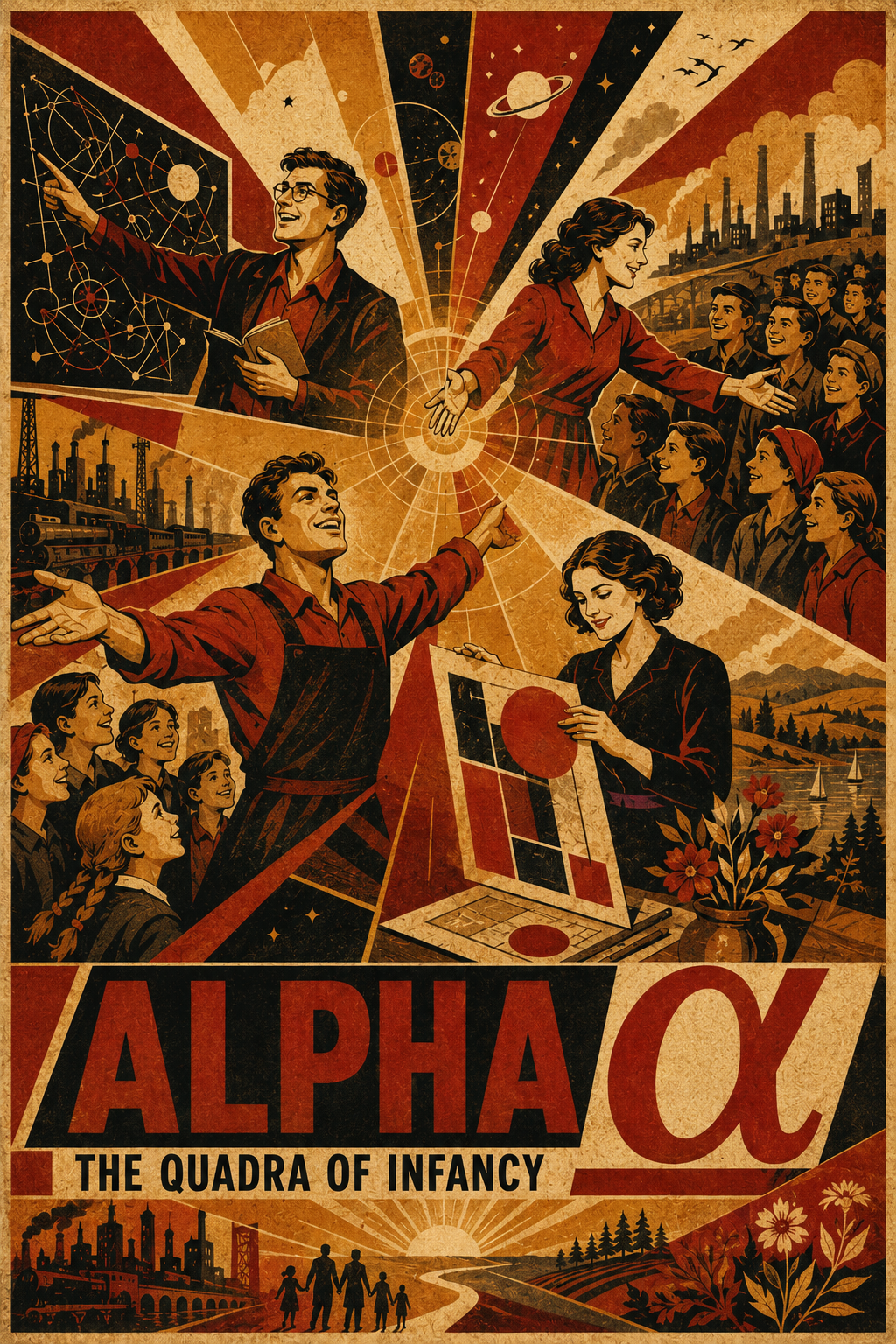
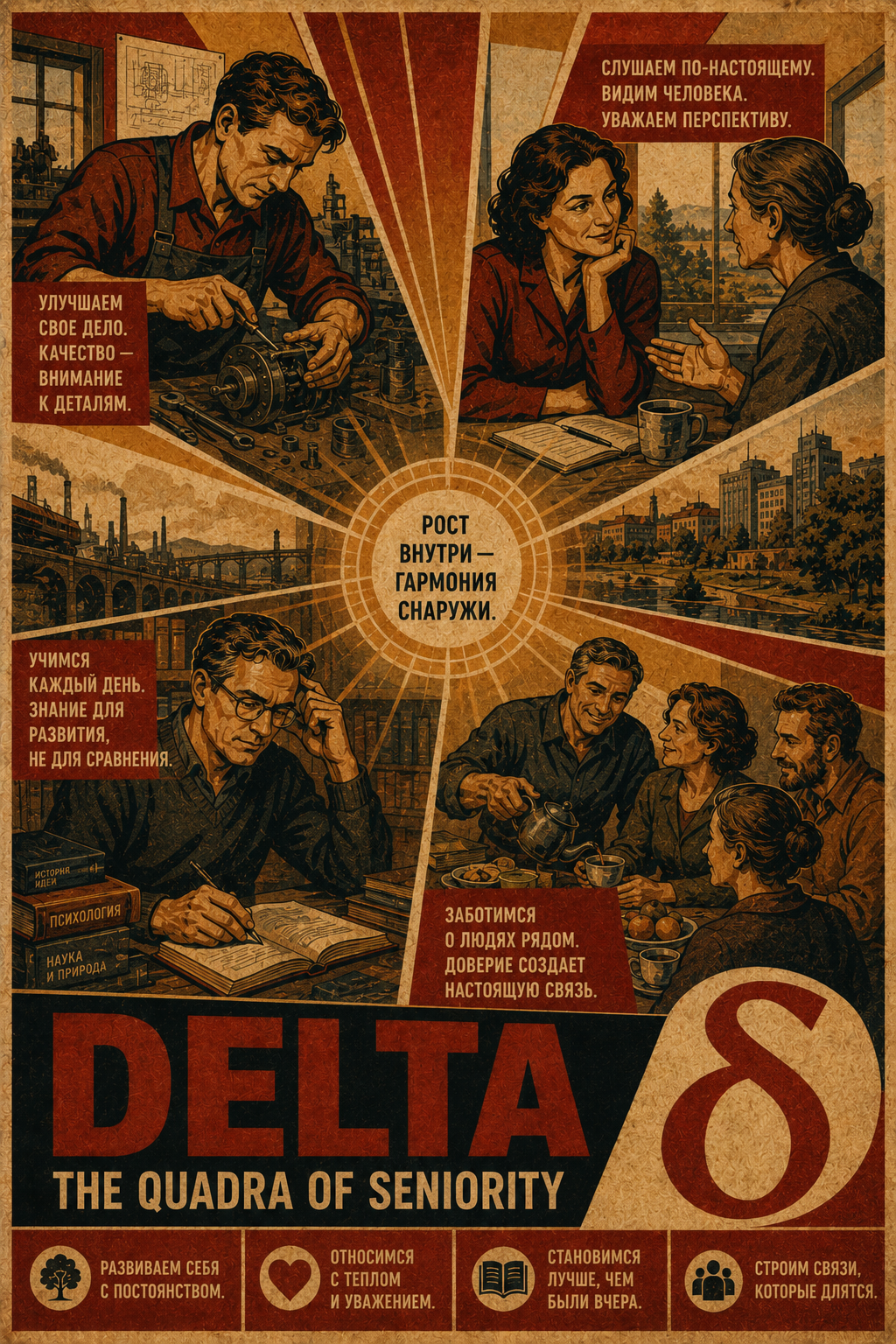
Quadras group types by their valued Model A elements and the interpersonal atmosphere those values create.
Alpha
ILE — SEI — ESE — LII
Innovator, Nurturer, Host, Analyst.
Beta
EIE — LSI — SLE — IEI
Icon, Inspector, Conqueror, Mystic.
Gamma
SEE — ILI — LIE — ESI
Opportunist, Critic, Entrepreneur, Guardian.
Delta
LSE — EII — IEE — SLI
Practitioner, Counsellor, Explorer, Craftsman.
Clubs
Shared Information Domains
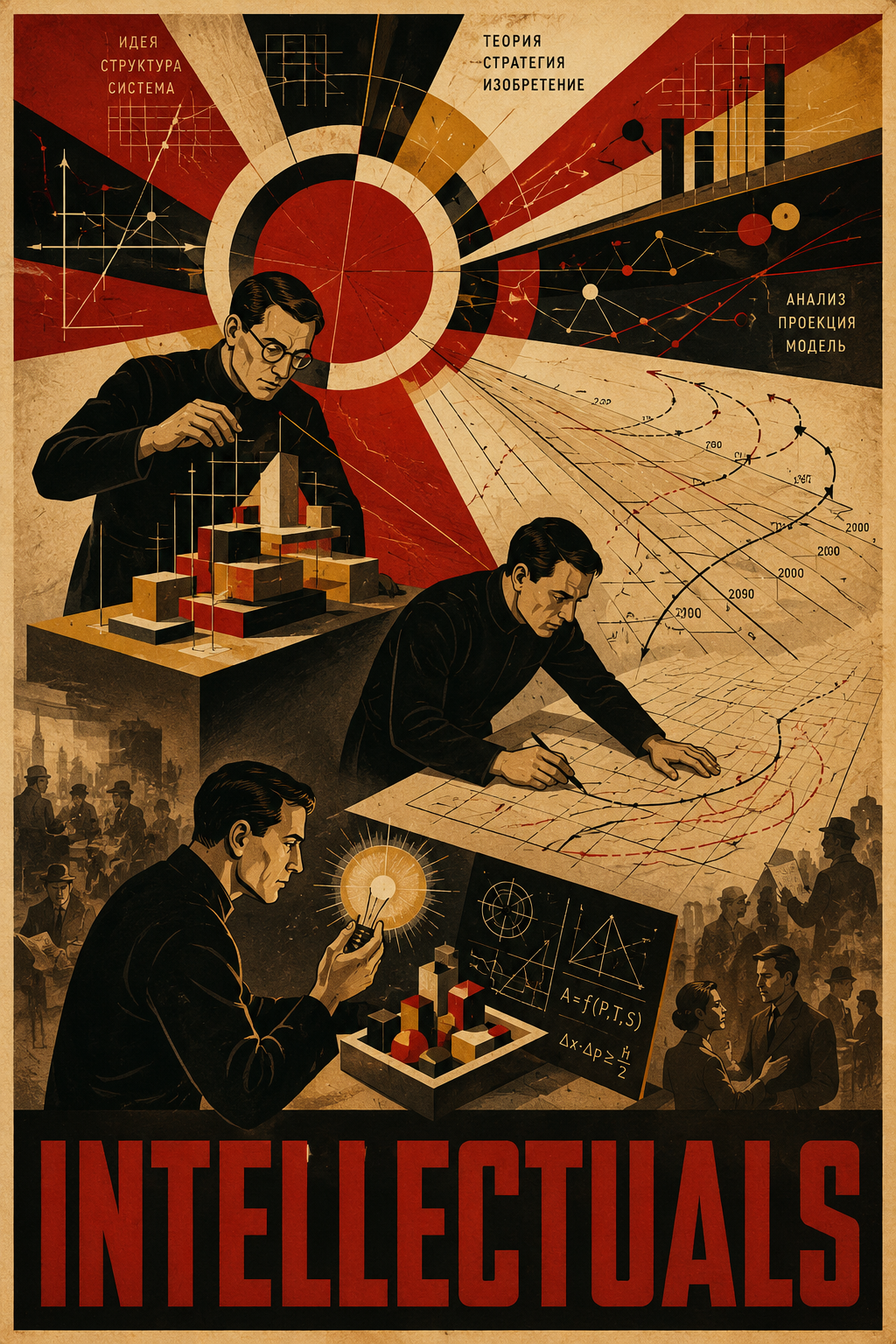
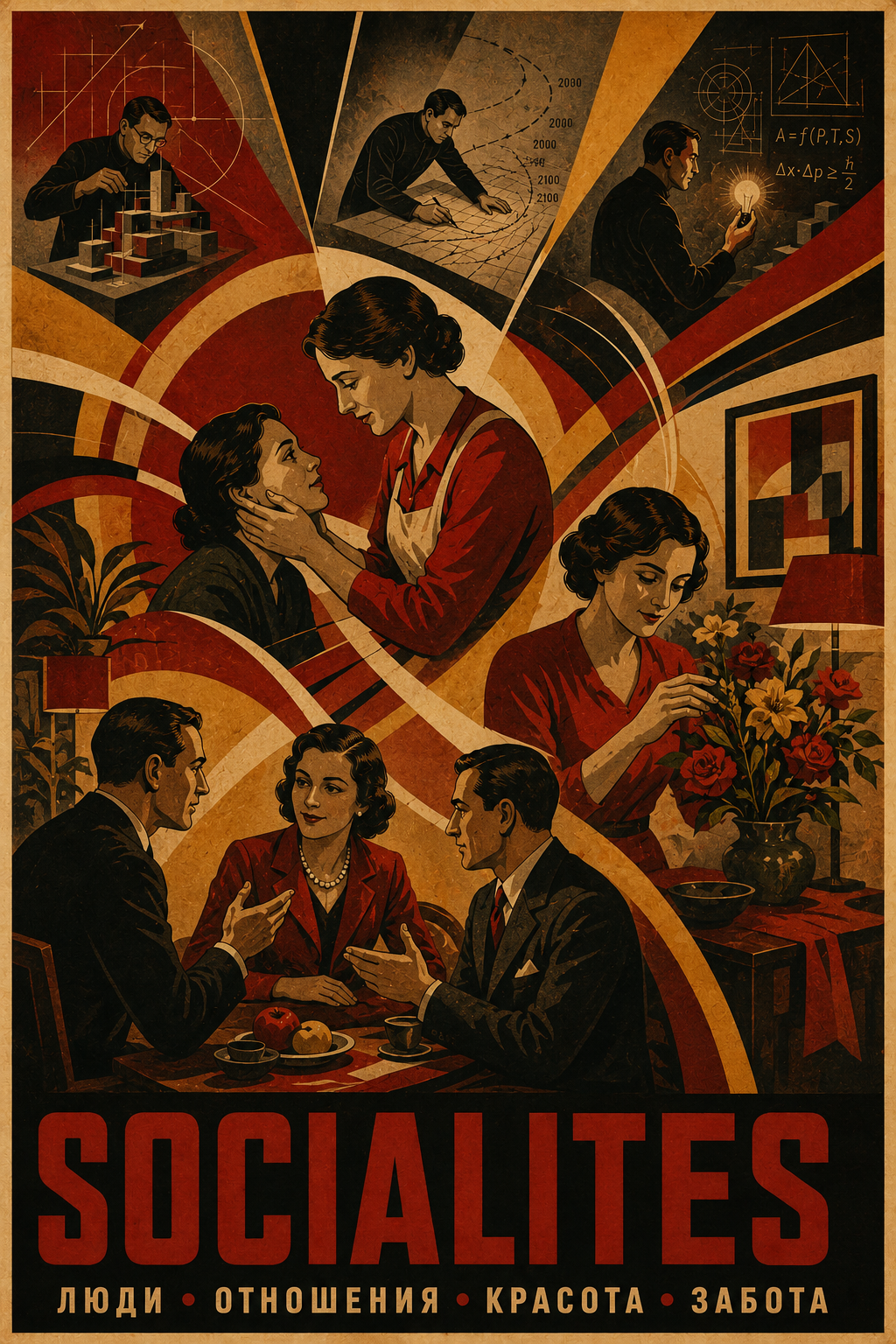
Clubs group types by the two broad information domains that dominate their outward interests and strengths.
Intellectual
ILE — LII — ILI — LIE
Innovator, Analyst, Critic, Entrepreneur.
Socialite
SEI — ESE — SEE — ESI
Nurturer, Host, Opportunist, Guardian.
Humanitarian
EIE — IEI — EII — IEE
Icon, Mystic, Counsellor, Explorer.
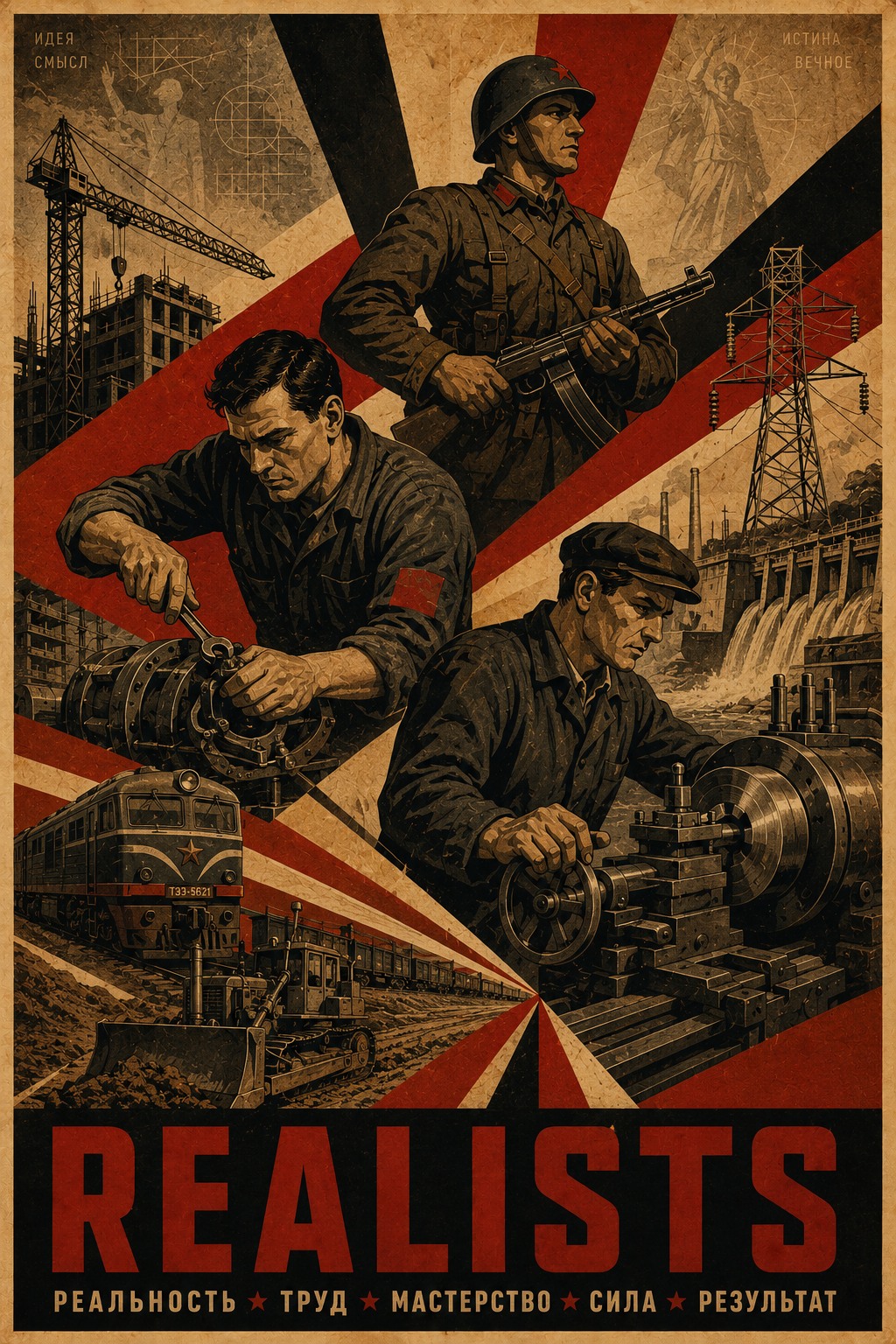
Realist
LSI — SLE — LSE — SLI
Inspector, Conqueror, Practitioner, Craftsman.
Temperaments
Shared Energy Pattern
Temperaments group types by the broad rhythm of their engagement with the world.
Acquisitive
ILE — SLE — SEE — IEE
Innovator, Conqueror, Opportunist, Explorer.
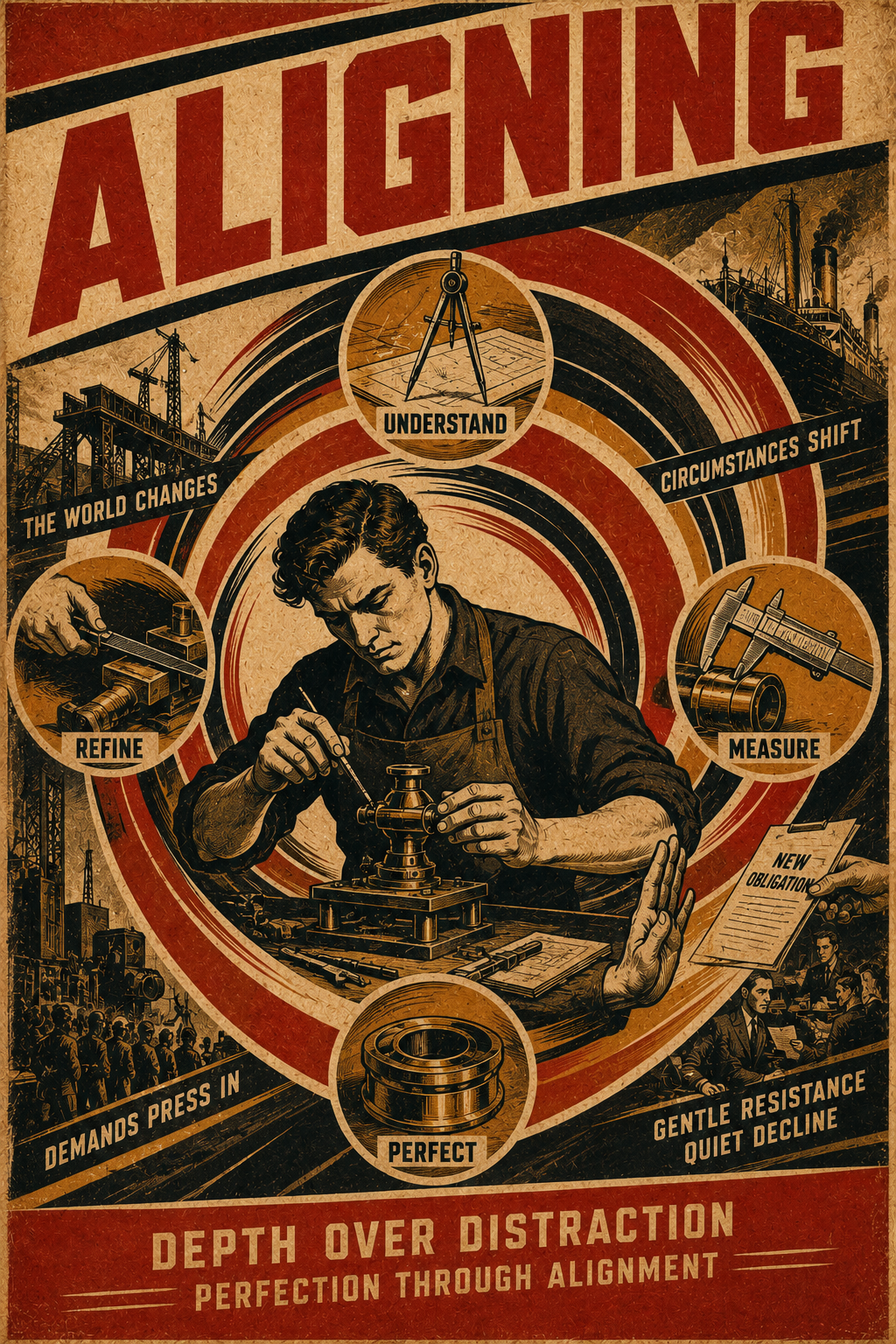
Aligning
SEI — IEI — ILI — SLI
Nurturer, Mystic, Critic, Craftsman.
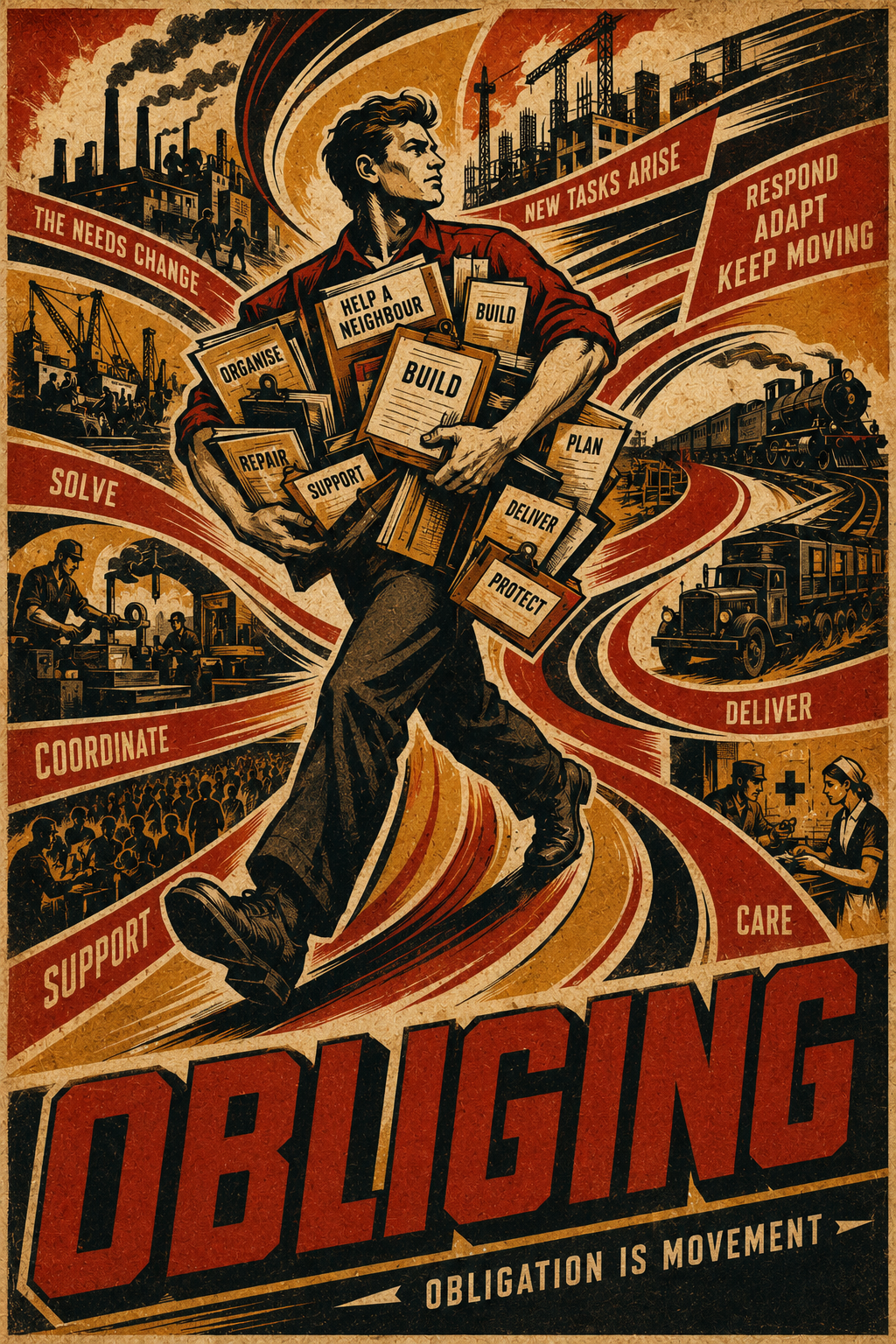
Obliging
ESE — EIE — LIE — LSE
Host, Icon, Entrepreneur, Practitioner.
Normative
LII — LSI — ESI — EII
Analyst, Inspector, Guardian, Counsellor.
Tournaments
Shared Contest Orientation
Tournament groups describe another fourfold partition of the socion, pairing types by the structural pattern shown in the chart.
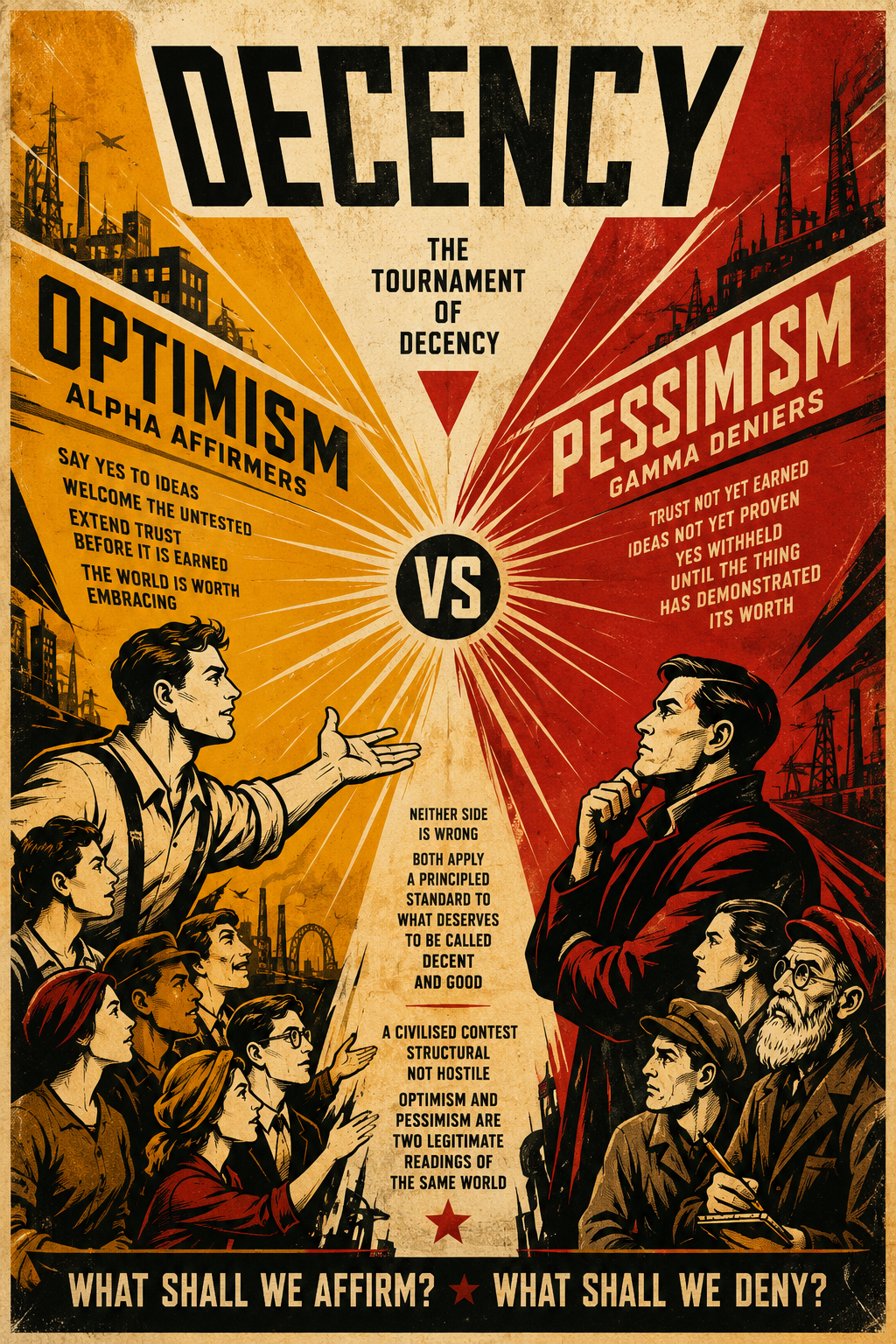
Decency
ILE — ESE — ILI — ESI
Innovator, Host, Critic, Guardian.
Accomplishment
SEI — LII — SEE — LIE
Nurturer, Analyst, Opportunist, Entrepreneur.
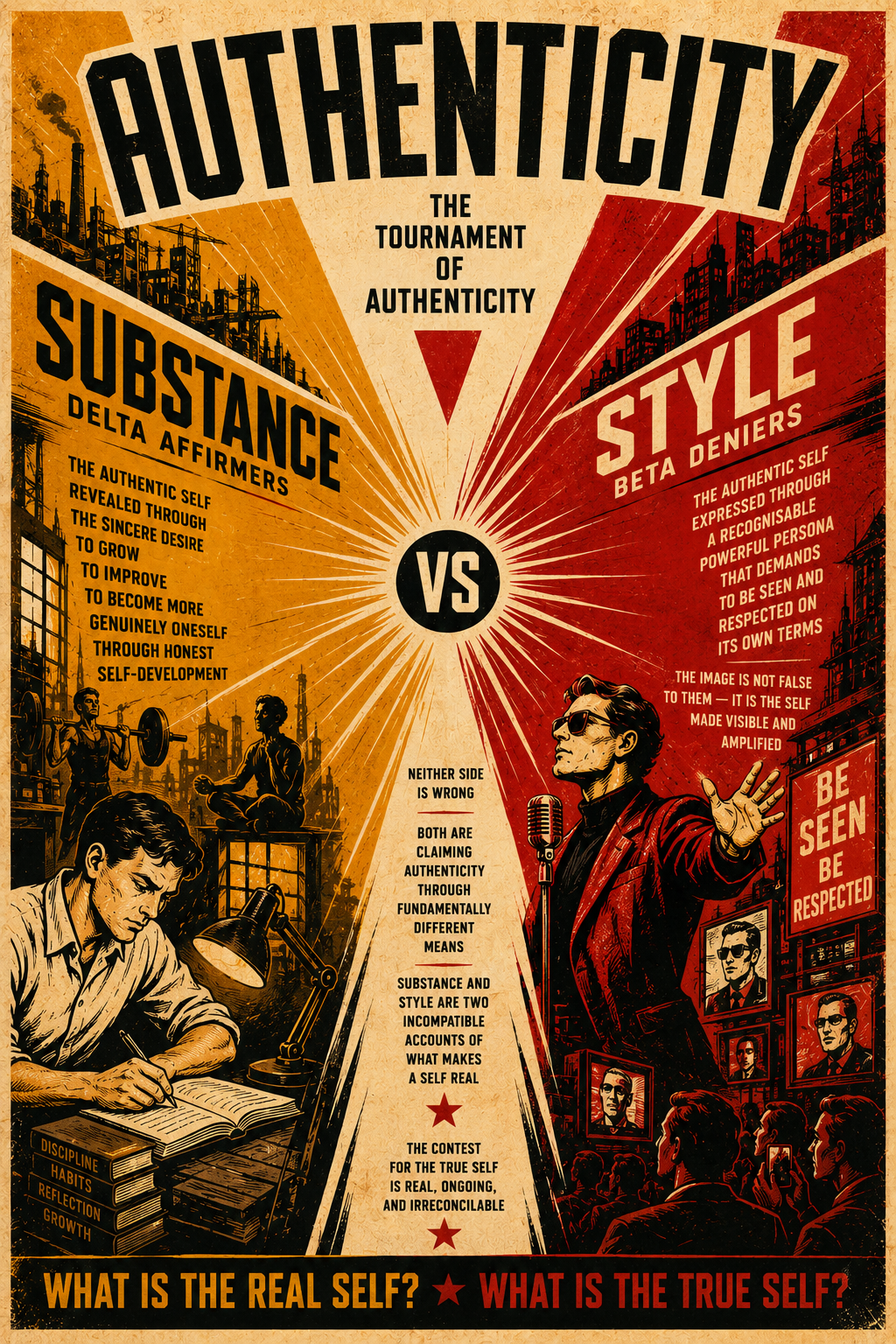
Authenticity
EIE — SLE — EII — SLI
Icon, Conqueror, Counsellor, Craftsman.
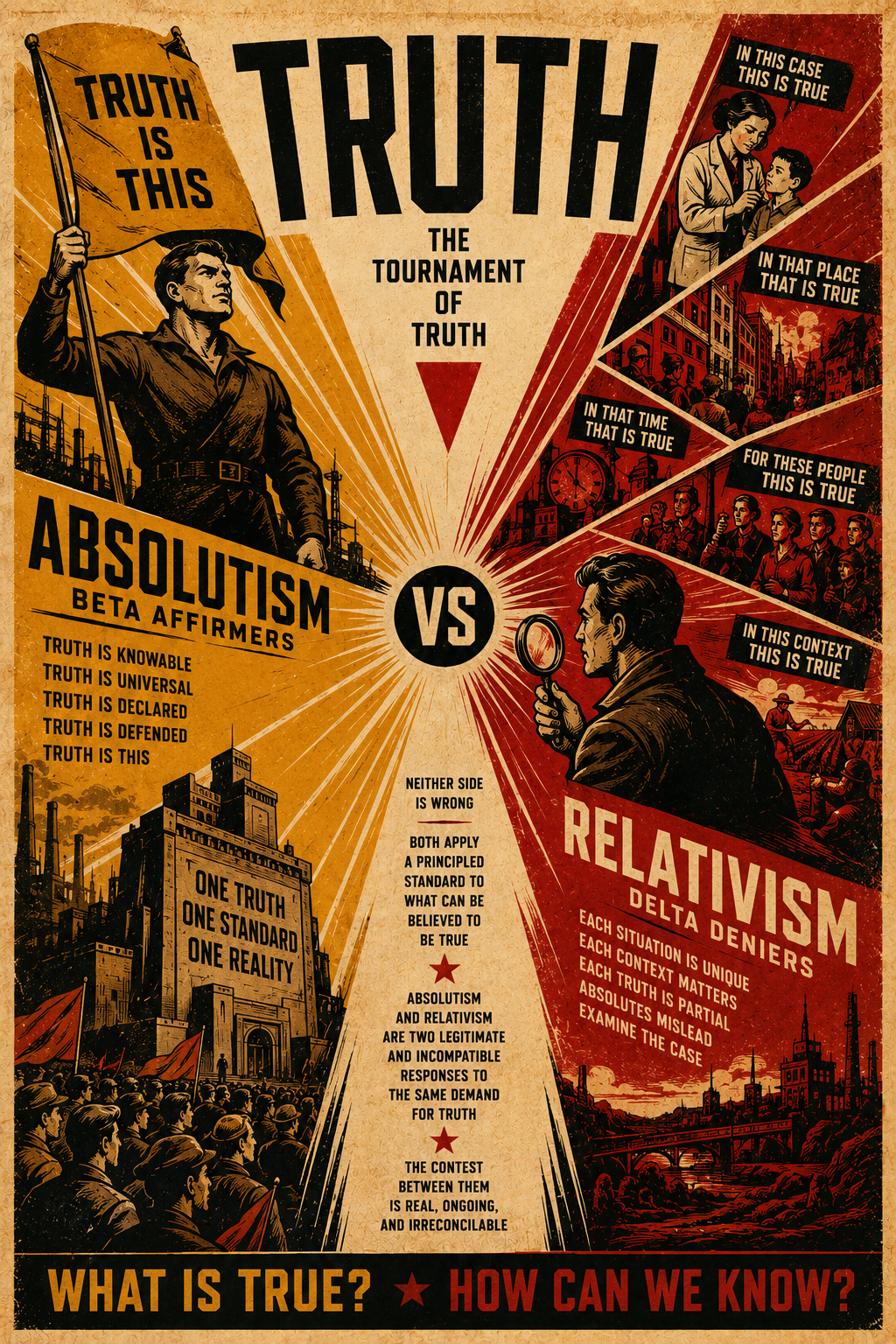
Truth
LSI — IEI — LSE — IEE
Inspector, Mystic, Practitioner, Explorer.
Axes
Shared Direction of Address
Axis groups collect four types around a shared structural orientation in the chart.
Teacher
ILE — SEI — LIE — ESI
Innovator, Nurturer, Entrepreneur, Guardian.
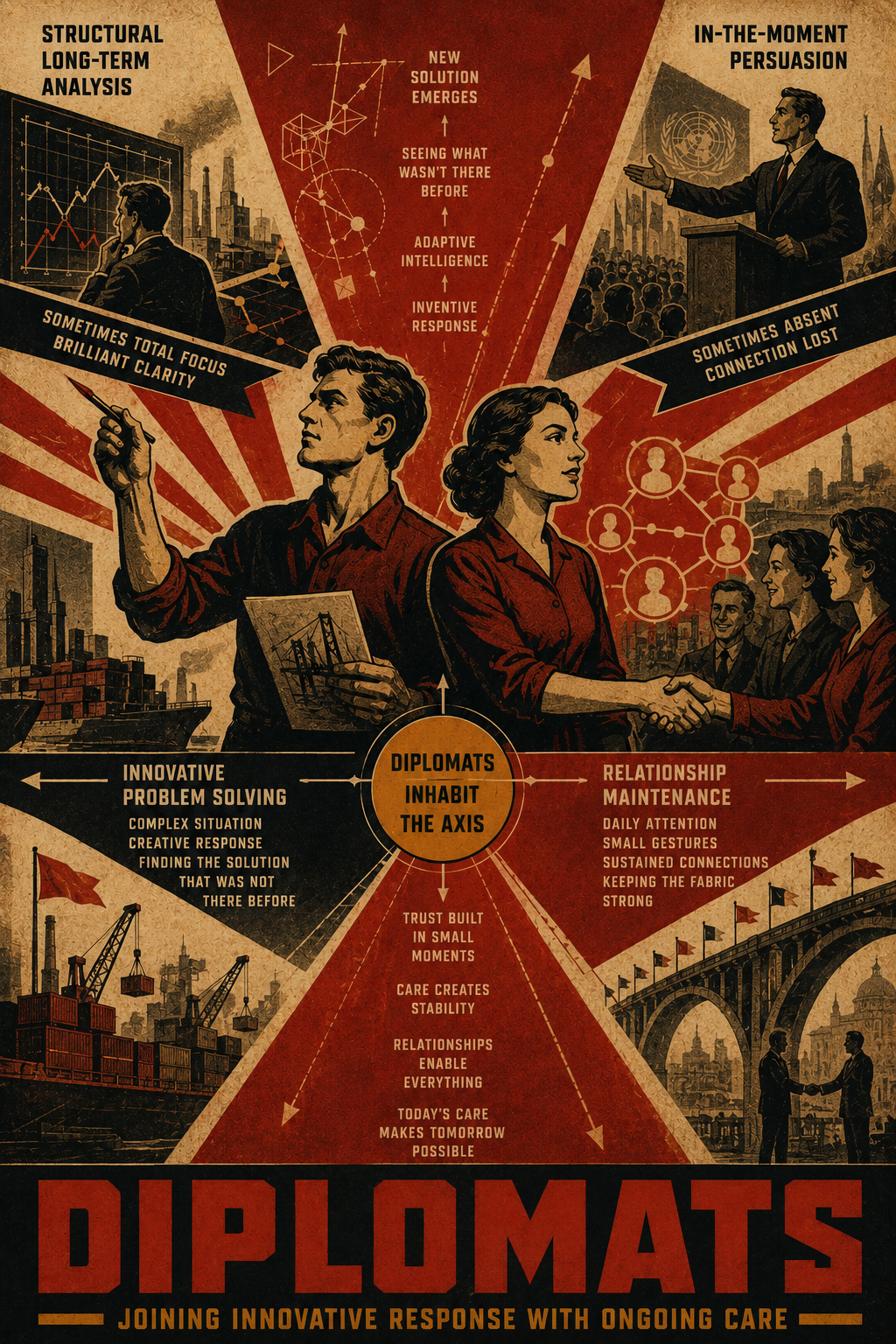
Diplomat
ESE — LII — SEE — ILI
Host, Analyst, Opportunist, Critic.
Activist
EIE — LSI — IEE — SLI
Icon, Inspector, Explorer, Craftsman.
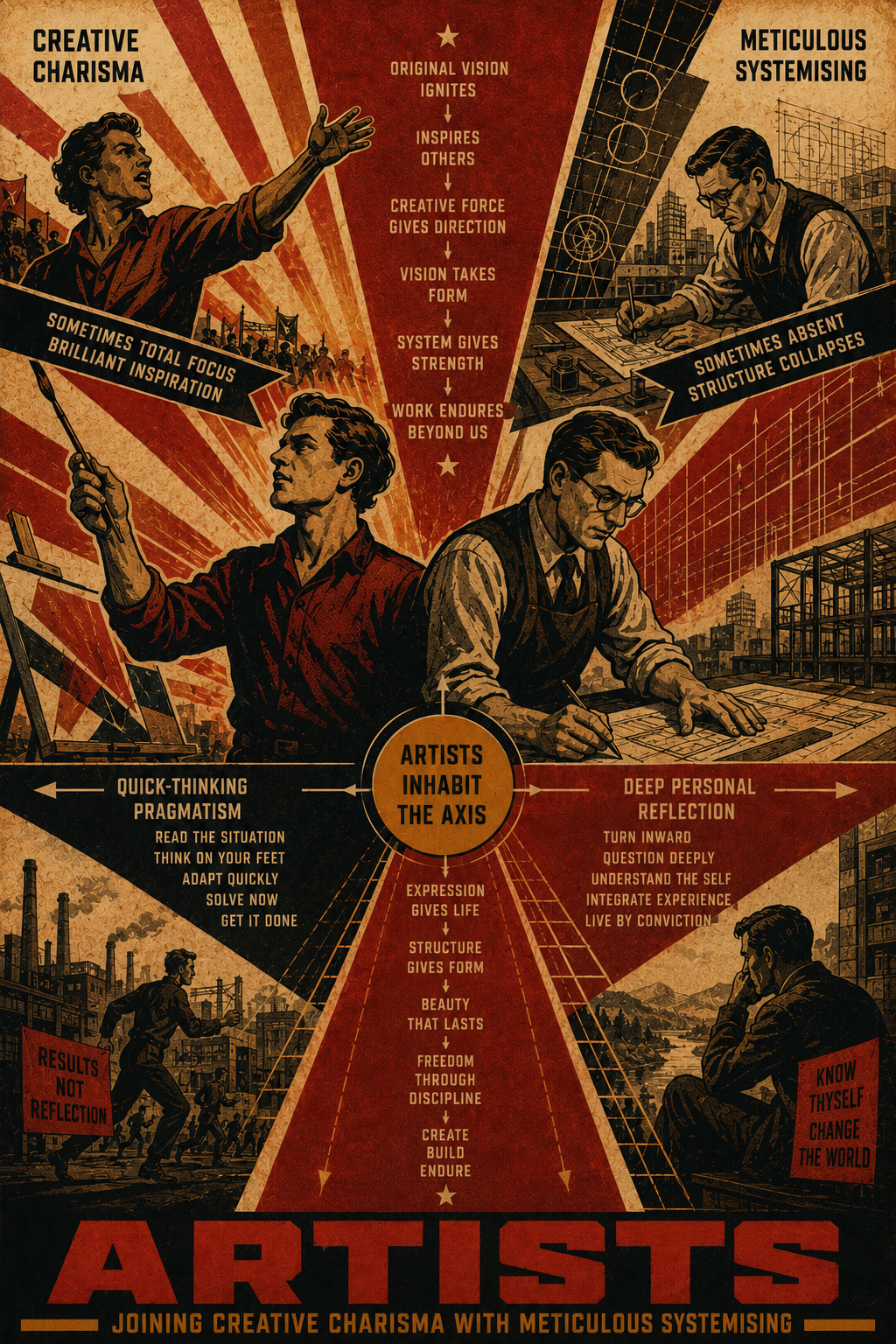
Artist
SLE — IEI — LSE — EII
Conqueror, Mystic, Practitioner, Counsellor.
Standoffs
Shared Tension Pattern
Standoff groups describe four recurring patterns of stance and counter-stance across the sixteen types.
Proposer
ILE — LSI — SEE — EII
Innovator, Inspector, Opportunist, Counsellor.
Doubter
SEI — EIE — ILI — LSE
Nurturer, Icon, Critic, Practitioner.
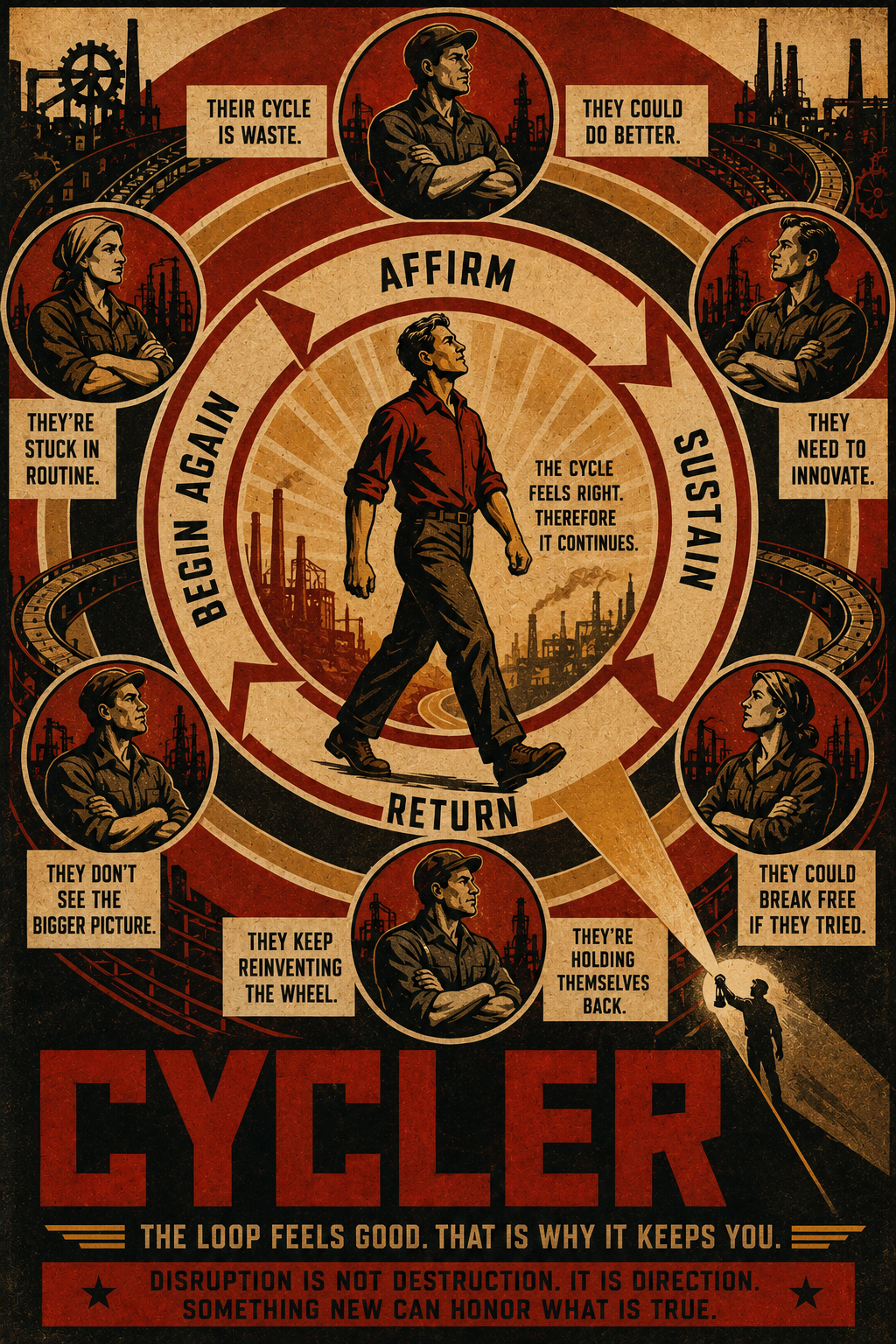
Cycler
ESE — IEI — LIE — SLI
Host, Mystic, Entrepreneur, Craftsman.
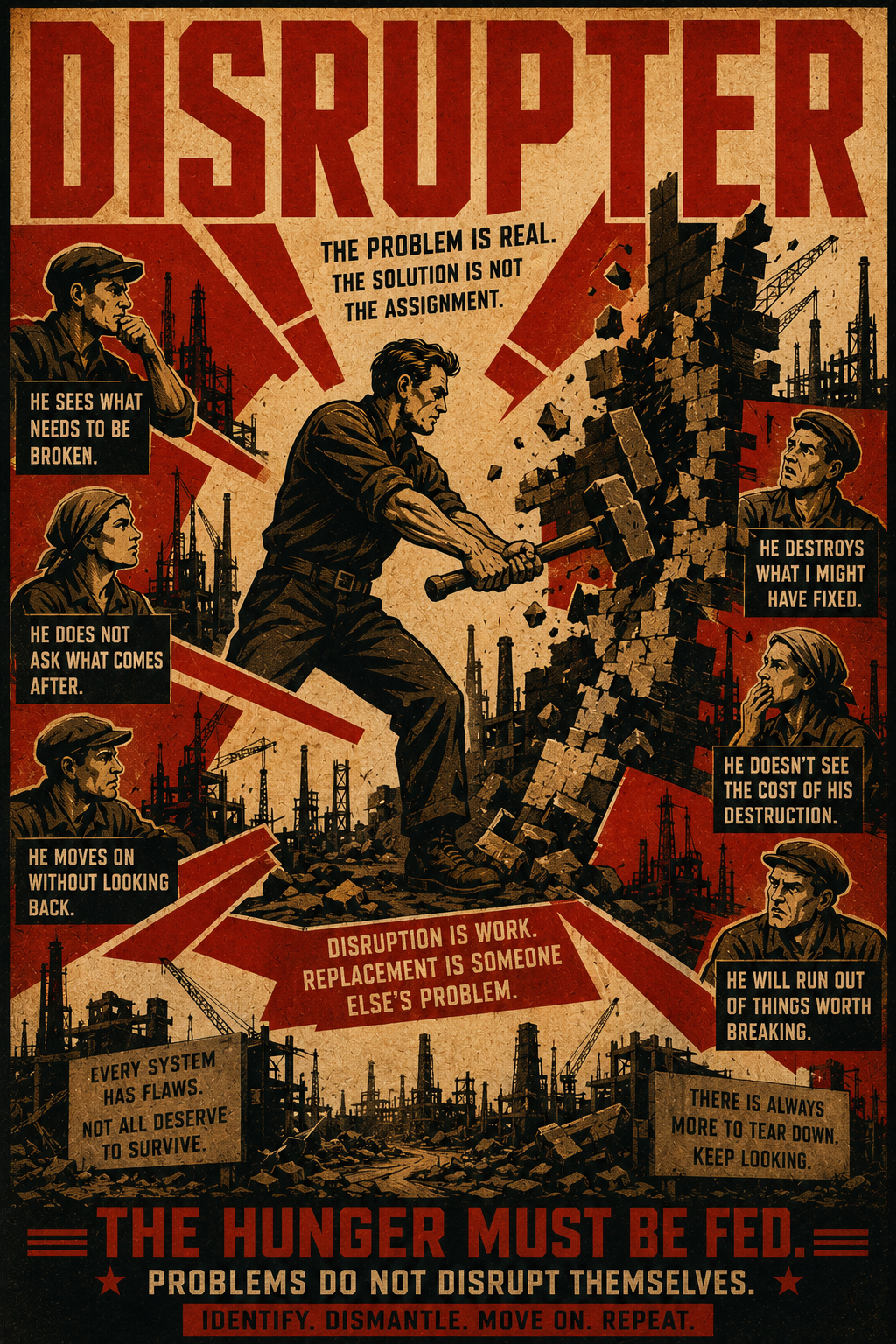
Disruptor
LII — SLE — ESI — IEE
Analyst, Conqueror, Guardian, Explorer.
Courses
Shared Developmental Track
Course groups trace a final fourfold path through the same sixteen-type matrix.