Ti(N.) Intellect vs Fi(S.) Animus — LII and ESI
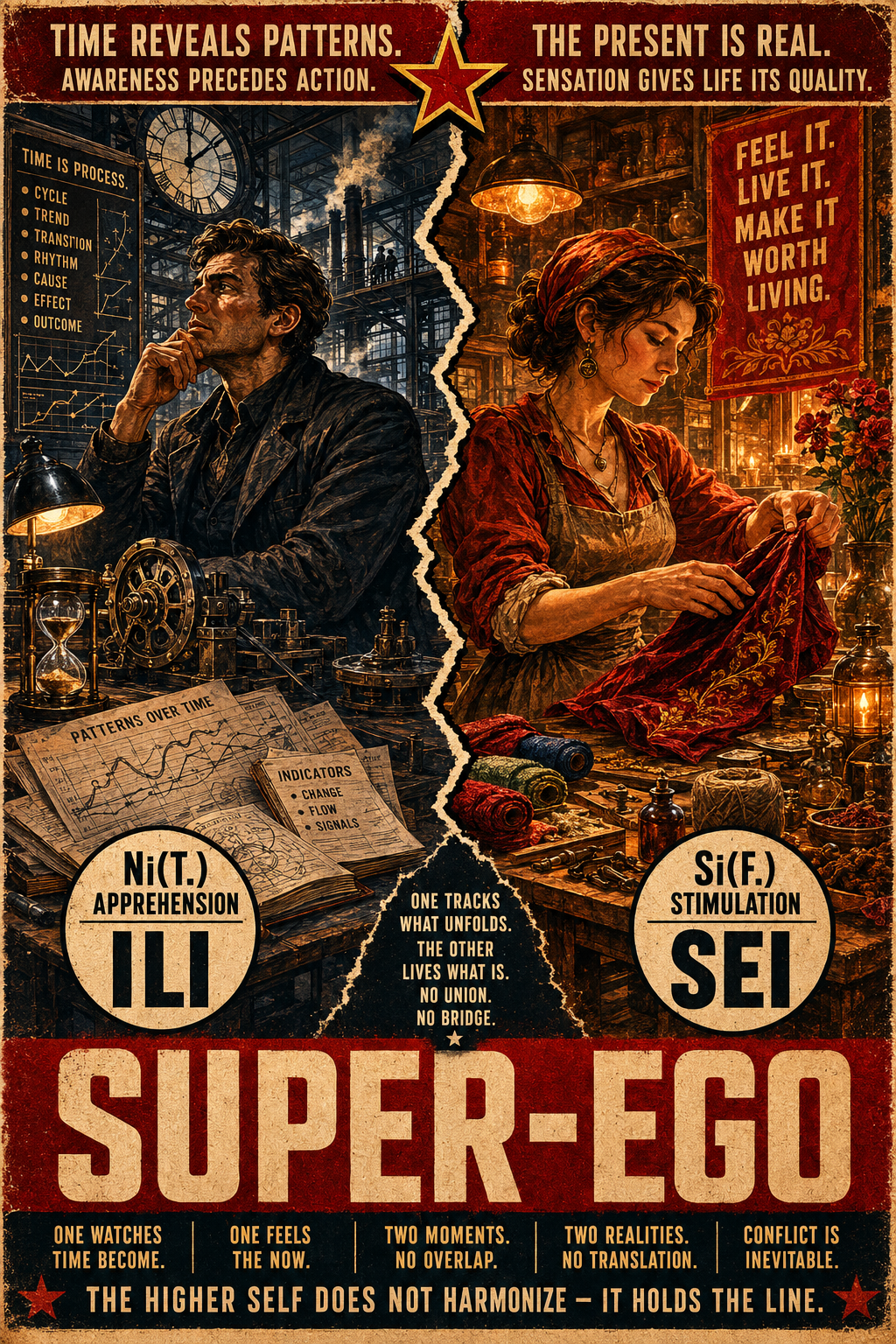
In Model A, the Super-Ego relationship has a precise structural definition: each type's leading function sits at the other's Role position — the 3rd. Not the Vulnerable, where Conflict strikes. One level above it. The Role is the position a type strains toward, performs under pressure, but never inhabits with ease. In Super-Ego, both types are operating from full strength, and both are landing on exactly that position in the other person.
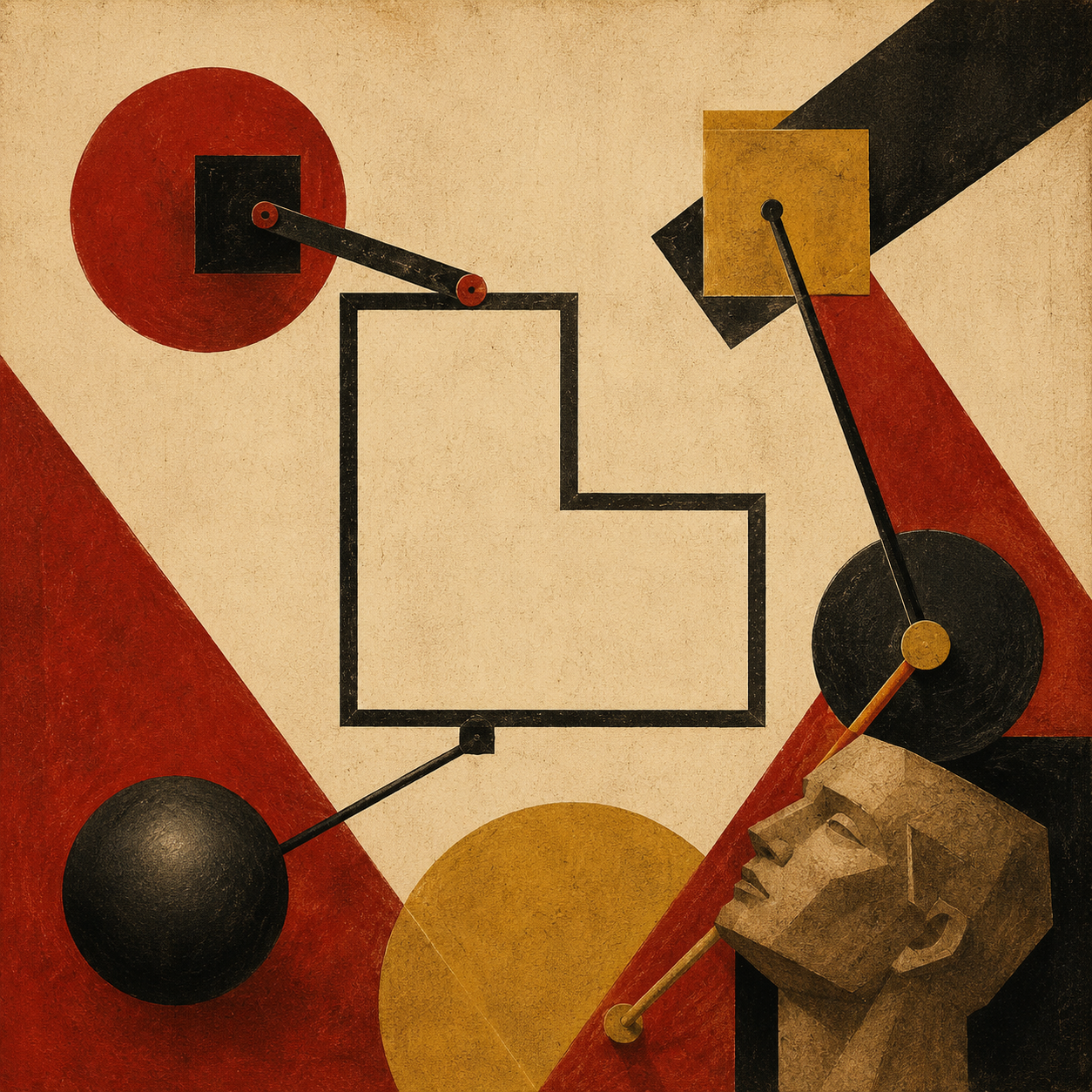
Model L shows why.
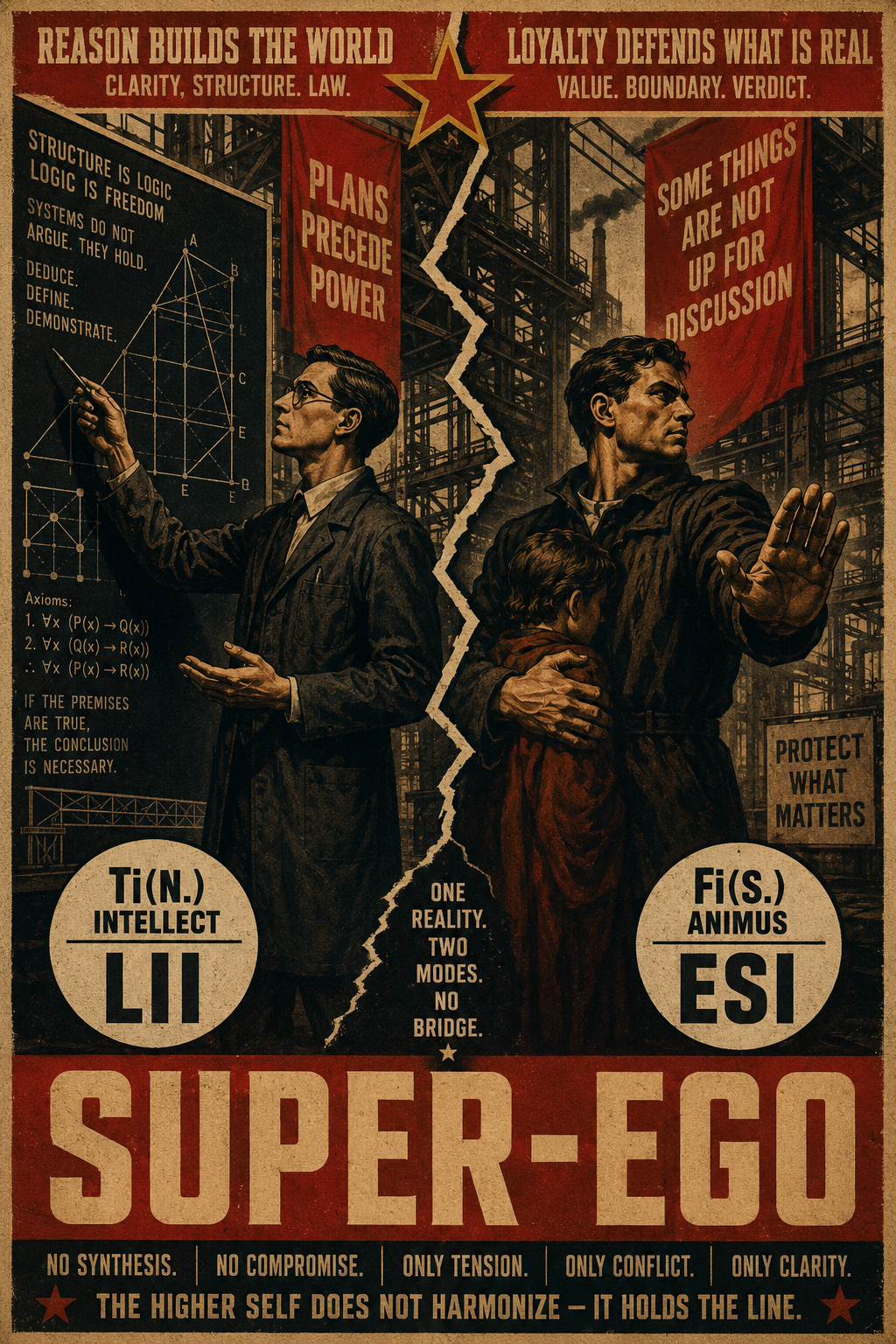
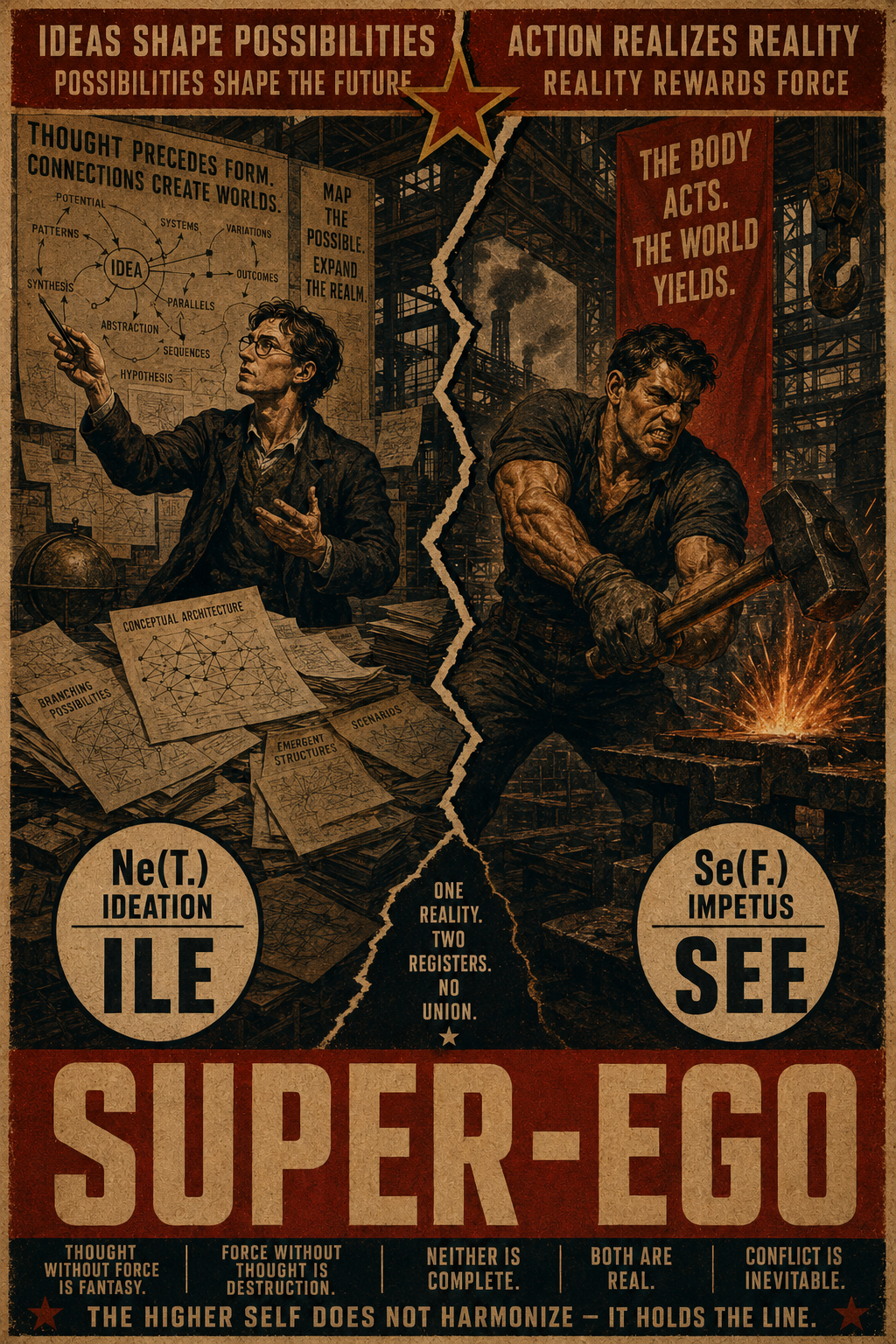
LII leads with Ti(N.) Intellect — detached, abstract structural logic. The LII organises experience into communicable frameworks: concepts named, relations mapped, contradictions resolved. The output is formal and transmissible, built to stand independent of any particular person or situation.
ESI leads with Fi(S.) Animus — visceral, particular relational bonds. The ESI carries settled felt verdicts about specific people and objects, constitutively tied to those particular subjects. These are not argued positions. Not transmissible. Privately held, viscerally felt, not open to logical revision.
The mismatch runs on two axes. Domain: Ti and Fi sit on opposing sides of the Logic/Ethics axis. Sub-variant: Ti(N.) operates in the abstract detached register; Fi(S.) in the involved particular one. No shared language. No common register where the two modes could meet on equivalent terms.
What the LII produces most naturally — structured, communicable logical architecture — demands exactly what ESI finds most strained to provide: abstract detachment from particular bonds. What the ESI asserts most naturally — visceral felt verdicts about specific persons — demands exactly what LII finds most strained to receive: conclusions without derivation, attachment without universalisable basis.
This is not the system's most damaging pairing. Conflict lands on the Vulnerable — LII's Se(F.) position, where SEE's leading strikes directly. That is a different order of pressure. Super-Ego is not attack. It is sustained mutual strain: each type's natural mode activating the other's most aspirational, most uncomfortable position, indefinitely, with no resolution available.