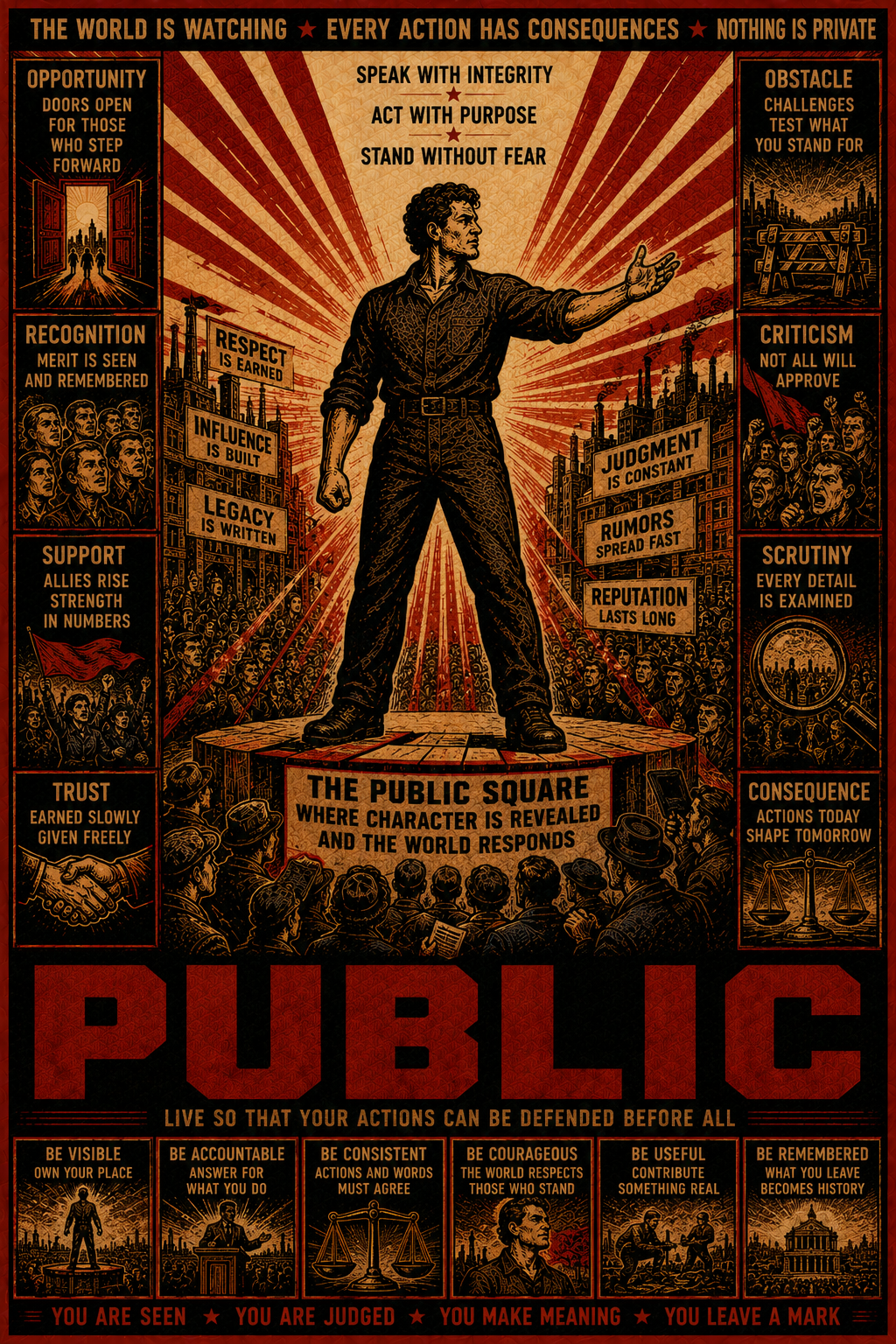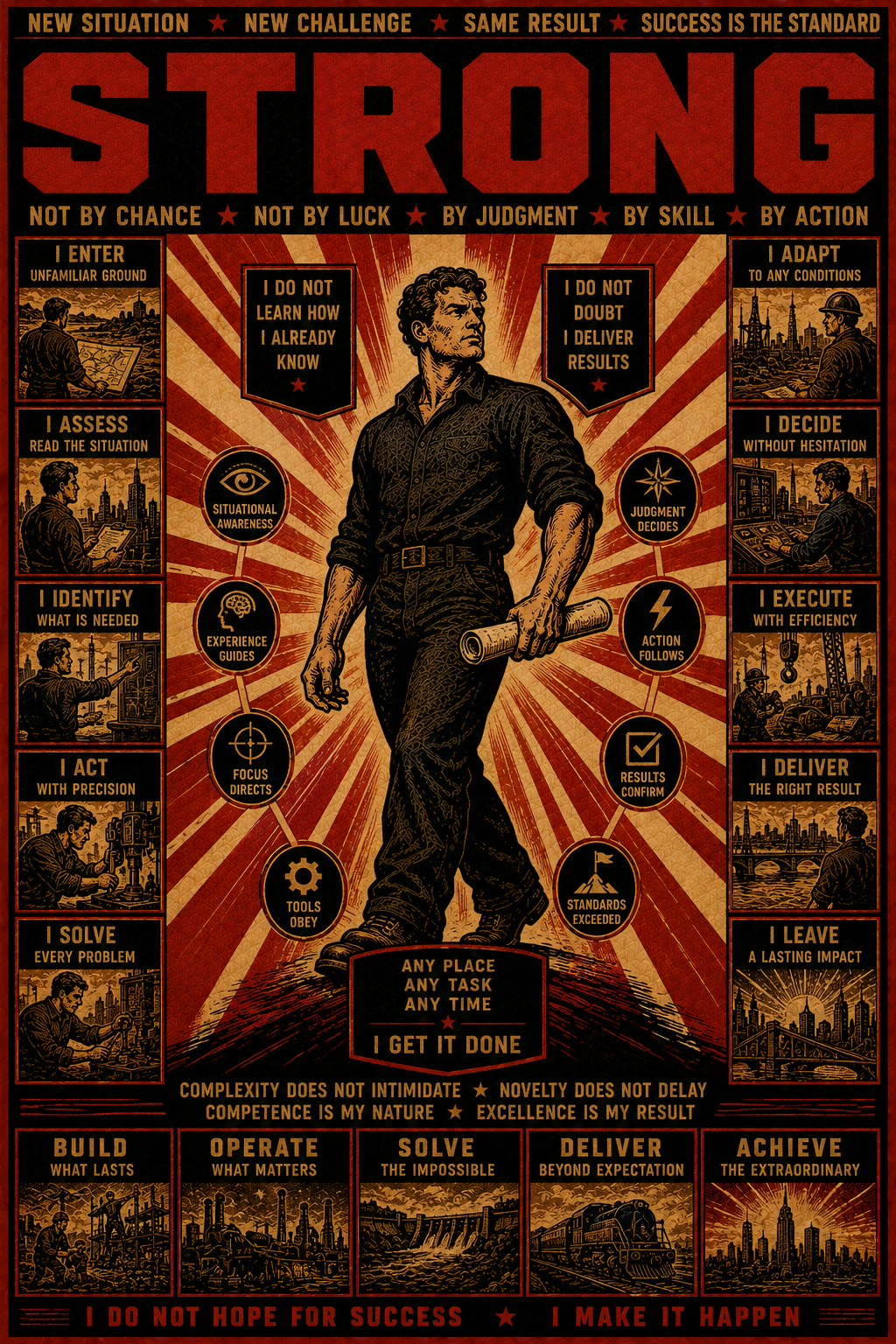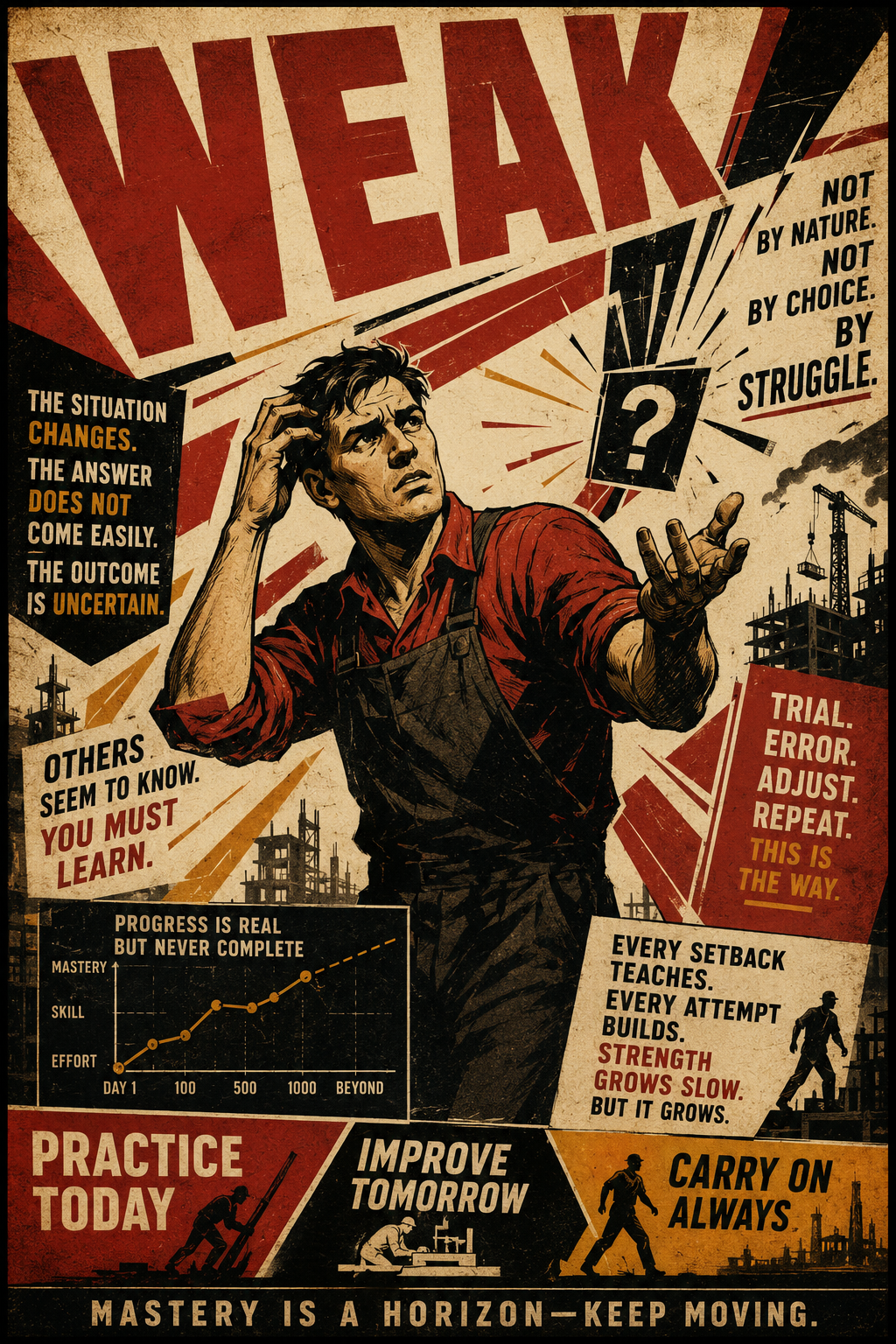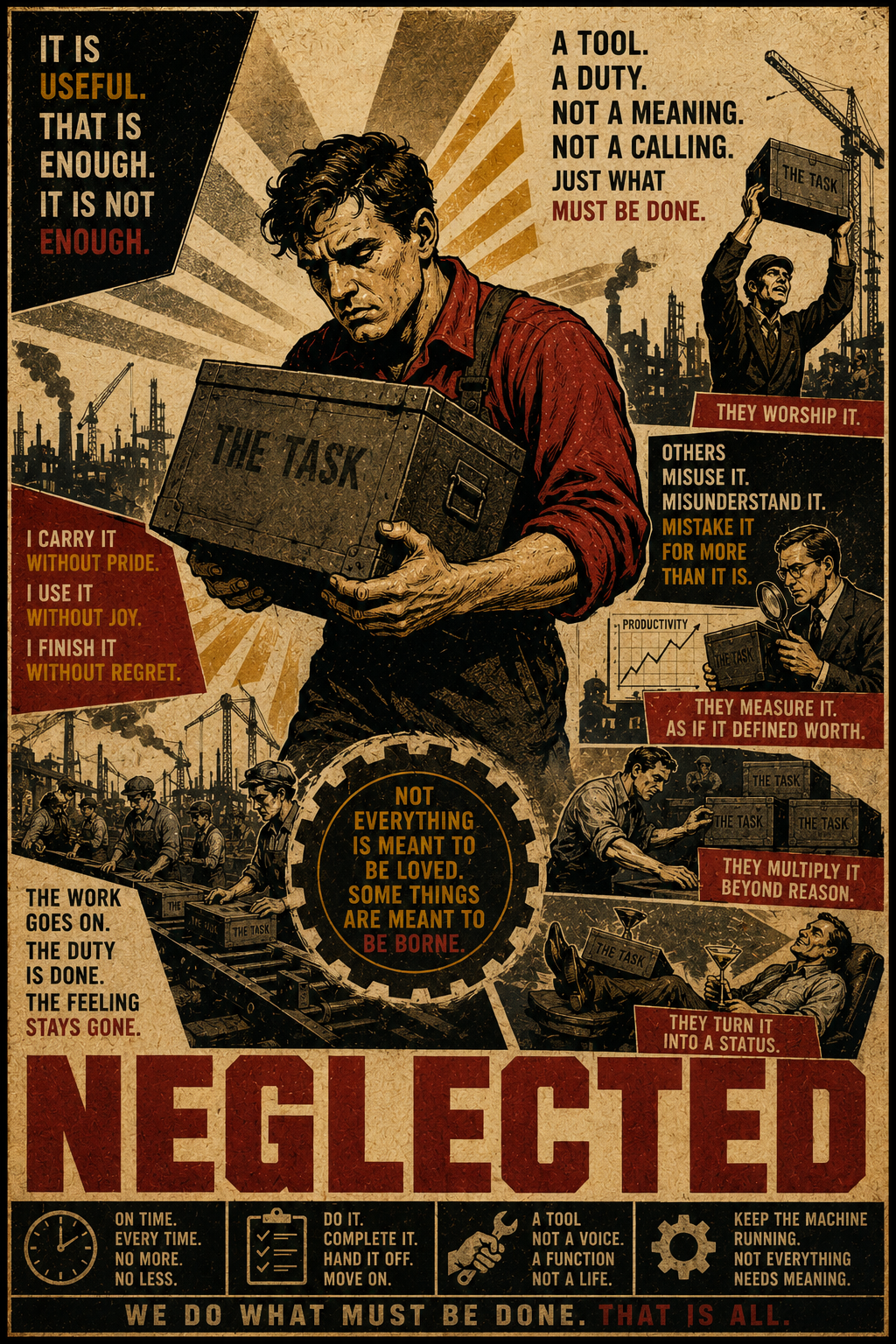
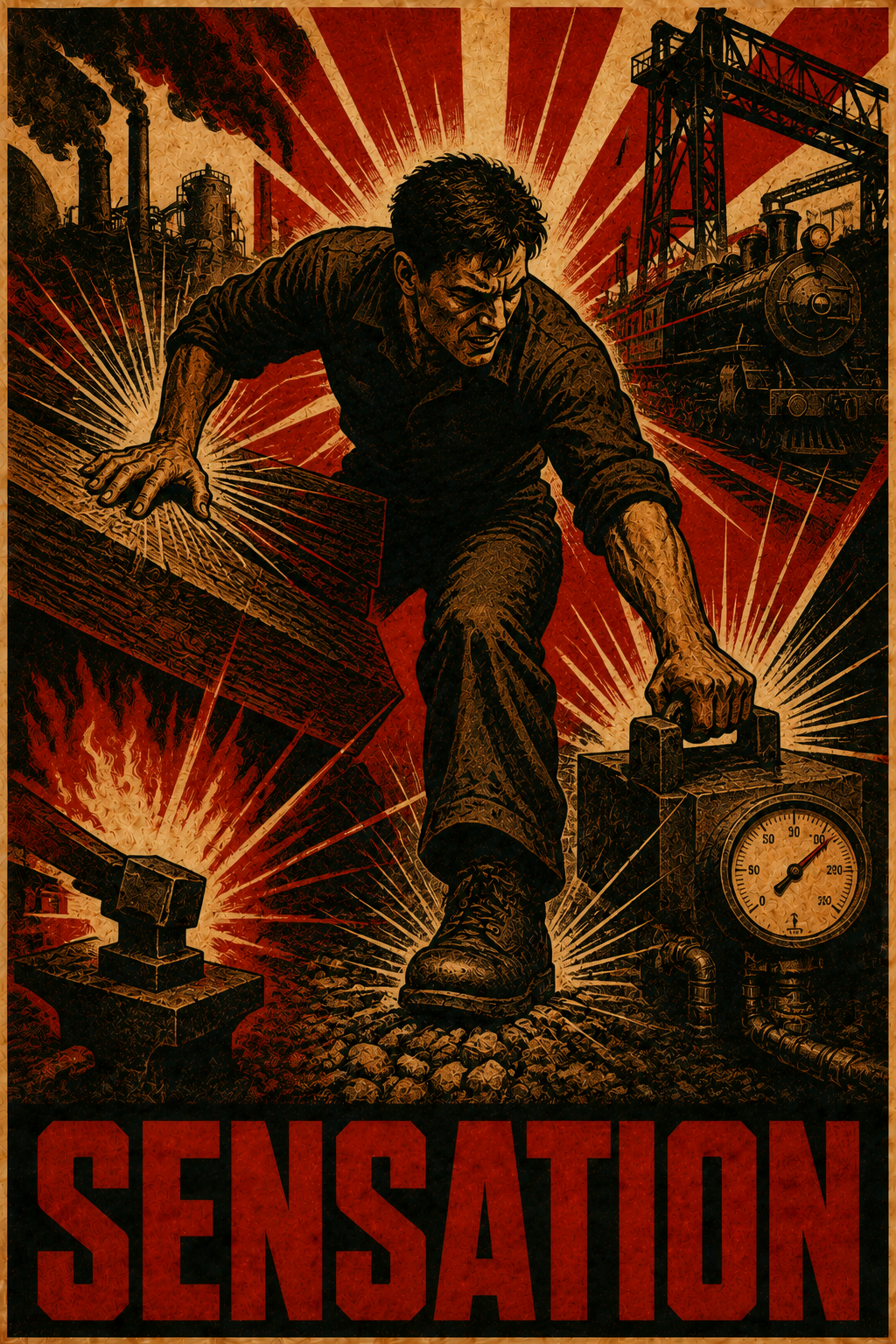
Sensation
Perception + External + Involved
Information about concrete states, physical conditions, bodily stakes, and what is directly present in experience.
WSS Socionics — Model A
Quaternio animae fundamentum — “The quaternary, foundation of the soul”Jung, Aion, CW 9ii
The foundational system built by Aušra Augustinavičiūtė on Jung's theory of psychological types. Eight information elements. Eight functions. Sixteen types arranged in four quadras. The architecture of the socion.
Origins
Socionics was created by Aušra Augustinavičiūtė (1927–2005) — conventionally shortened to Augusta within the socionics community, a practice followed throughout this site. A Lithuanian economist, she set out to explain the dynamics of human relationships through a systematic extension of Carl Jung's typological theory, drawing also on Antoni Kepinski's concept of information metabolism — the idea that the psyche processes information from the environment in ways that are as structured and vital as biological metabolism. Model A, named after Augusta's initial, is the structural core of that system.
Jung had identified four cognitive functions — sensation, intuition, thinking, and feeling — each operating in two orientations: extraverted and introverted. Augusta took this and ran it to its logical conclusion. Each orientation produces a distinct information element, yielding eight in total. These eight elements are not variations on a theme but genuinely different modes of engaging with reality — different in content, different in character, irreducible to one another.
Model A assigns all eight elements to eight fixed functional positions within the psyche. Think of it as a filing cabinet: eight drawers, each with a specific role — leading, creative, role, vulnerable, suggestive, mobilising, ignoring, demonstrative. What changes from type to type is not the cabinet but what goes in each drawer. The same eight elements, rearranged sixteen different ways, produce sixteen distinct types — each defined not just by which elements are strong, but by the precise functional role each element plays within the whole structure.
The point of the structure is not the structure itself. What Augusta was building toward was an account of how people relate — why some combinations feel immediately natural, others exhausting, others transformative. The sixteen types are the foundation. The intertype relations built on top of them are where socionics earns its name.
Attribution: Model A content on this site follows World Socionics Society conventions as taught by Jack Oliver Aaron. Any errors in interpretation are the author's own.

Information Domains
The question Augusta's system answers has deep roots: Kant argued that the mind does not passively receive experience but actively structures it through prior categories. Augusta's eight elements can be read as a more differentiated account of the same structural question — one in which some categories are directly visible in behaviour and others are not, though all must be present in every psyche.
The foundation of that system is four information domains — Logic, Ethics, Intuition, and Sensation — each defining a fundamental territory of information that the psyche can engage with. These four domains are generated by three ontological dichotomies: Judgement vs. Perception establishes whether an element evaluates or perceives; External vs. Internal establishes whether its content is explicit and verifiable or implicit and subjective; Detached vs. Involved establishes whether it operates independently of felt experience or is constitutively bound to it. These three dichotomies together carve out four and only four irreducible territories. Logic is Judgement, External, and Detached. Ethics is Judgement, Internal, and Involved. Intuition is Perception, Internal, and Detached. Sensation is Perception, External, and Involved. A critical point: External and Internal here do not mean extraverted and introverted in the Jungian sense — that distinction operates at the level of type, not domain.
Domain Derivation
The domains are not four loose themes. They are the four possible territories created when information is sorted by whether it perceives or judges, whether its standard is external or internal, and whether it is involved or detached.
Perception + External + Involved
Information about concrete states, physical conditions, bodily stakes, and what is directly present in experience.
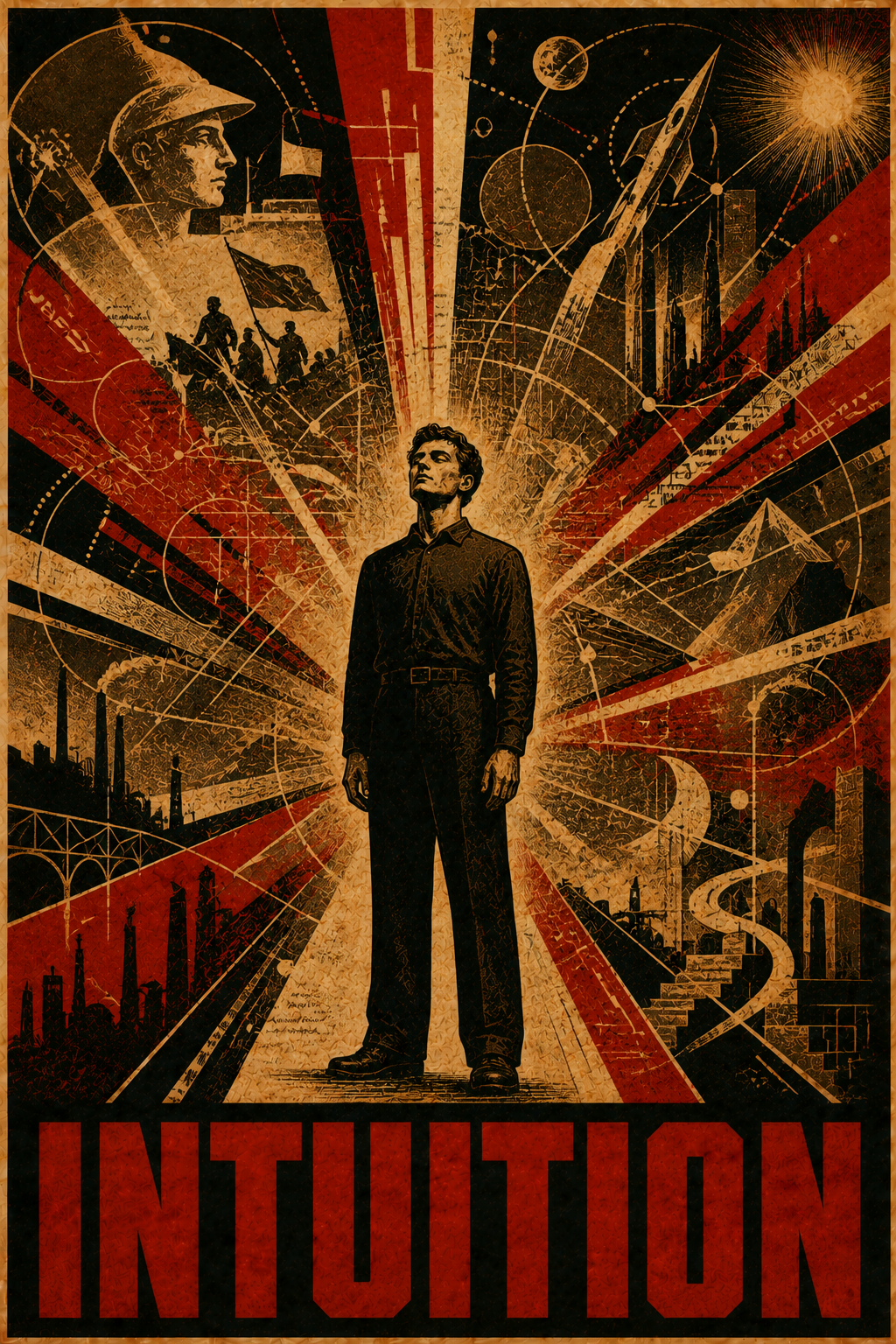
Perception + Internal + Detached
Information about possibilities, time, meanings, and patterns that are not reducible to immediate physical conditions.
Judgement + External + Detached
Information about correctness, structure, facts, systems, and standards that can be checked independently of personal feeling.

Judgement + Internal + Involved
Information about value, relation, emotional meaning, and personal or interpersonal stake.
Information Dichotomies
The four domains explain the broad territories of information. Model A then splits those territories more finely. Logic divides into Ti and Te, Ethics into Fi and Fe, Intuition into Ni and Ne, and Sensation into Si and Se.
Three dichotomies have already done the first job: Perception vs Judgement, External vs Internal, and Detached vs Involved generate the four domains. Four further information dichotomies do the second job: Introverted vs Extraverted, Static vs Dynamic, Conclusive vs Questionable, and Attractive vs Repulsive distinguish the eight elements within those domains.
This keeps the reading sequence clear: first the domains, then the information splits, then the eight forms of information metabolism. The full reference page gathers all three layers of dichotomy separately: information dichotomies, functional dichotomies, and type dichotomies.
The Elements
Once the four domains have been split by the information dichotomies, the result is the eight classical IM elements. Each element can be read at two levels: as a symbolic category in the Model A notation, and as a lived mode of information metabolism. The larger image on each card evokes the territory of the element; the smaller symbol beneath it shows the compact notation used throughout the model.

The potential of each object to someday exist. Exploring and enabling new possibilities. Perceiving alternative ideas and perspectives. Energising, static, attractive, questioning.
Insight into outcomes, narrative flow, and what is destined or inevitable. The intuition of time — what is coming, what is too late, what cannot be avoided. Integrating, dynamic, repulsive, conclusive.
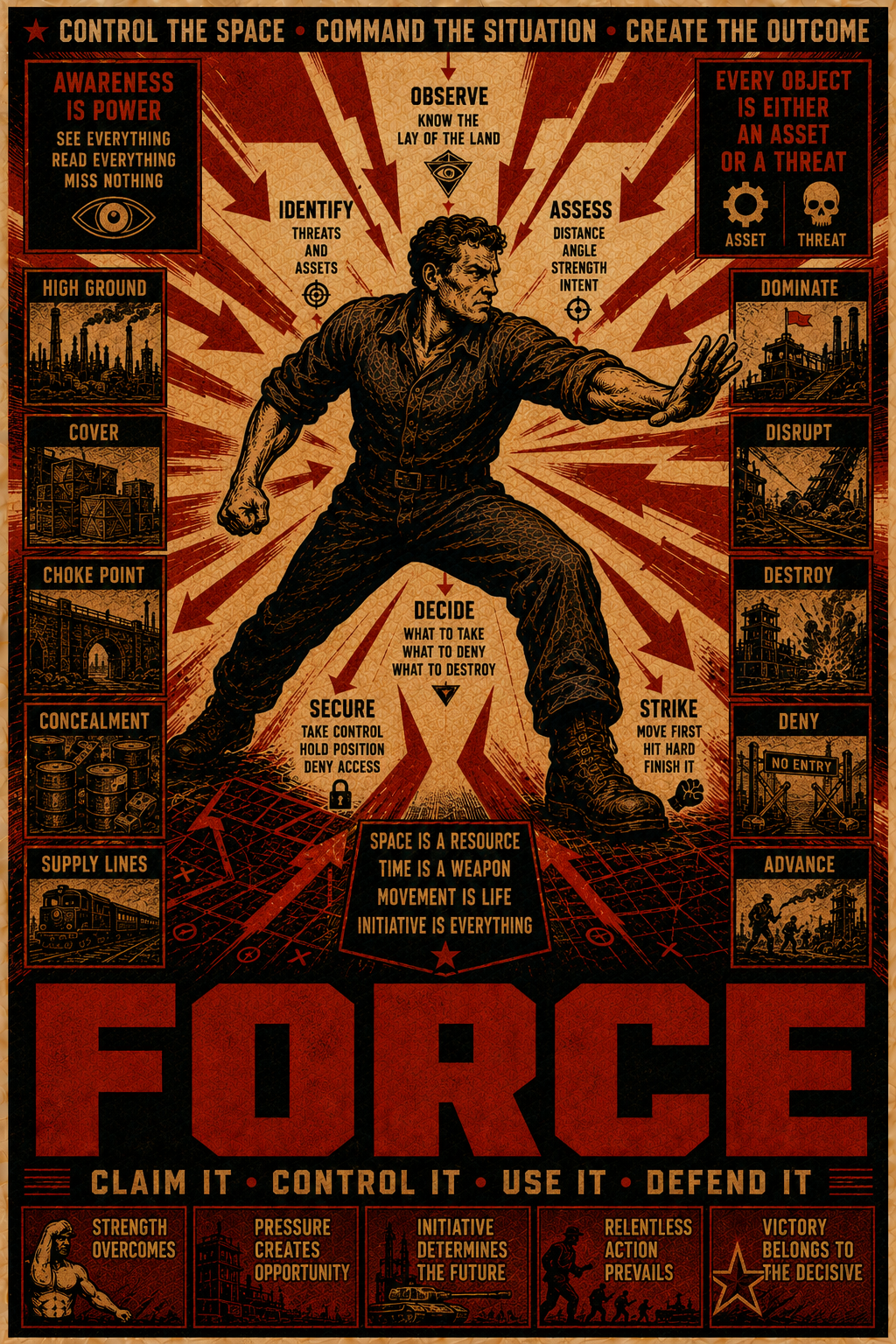

Extension of each object in physical space. Securing whatever one wants in the material world. Perceiving surrounding threats and advantages. Assertive, tactical, action-oriented. Energising, static, repulsive, conclusive.
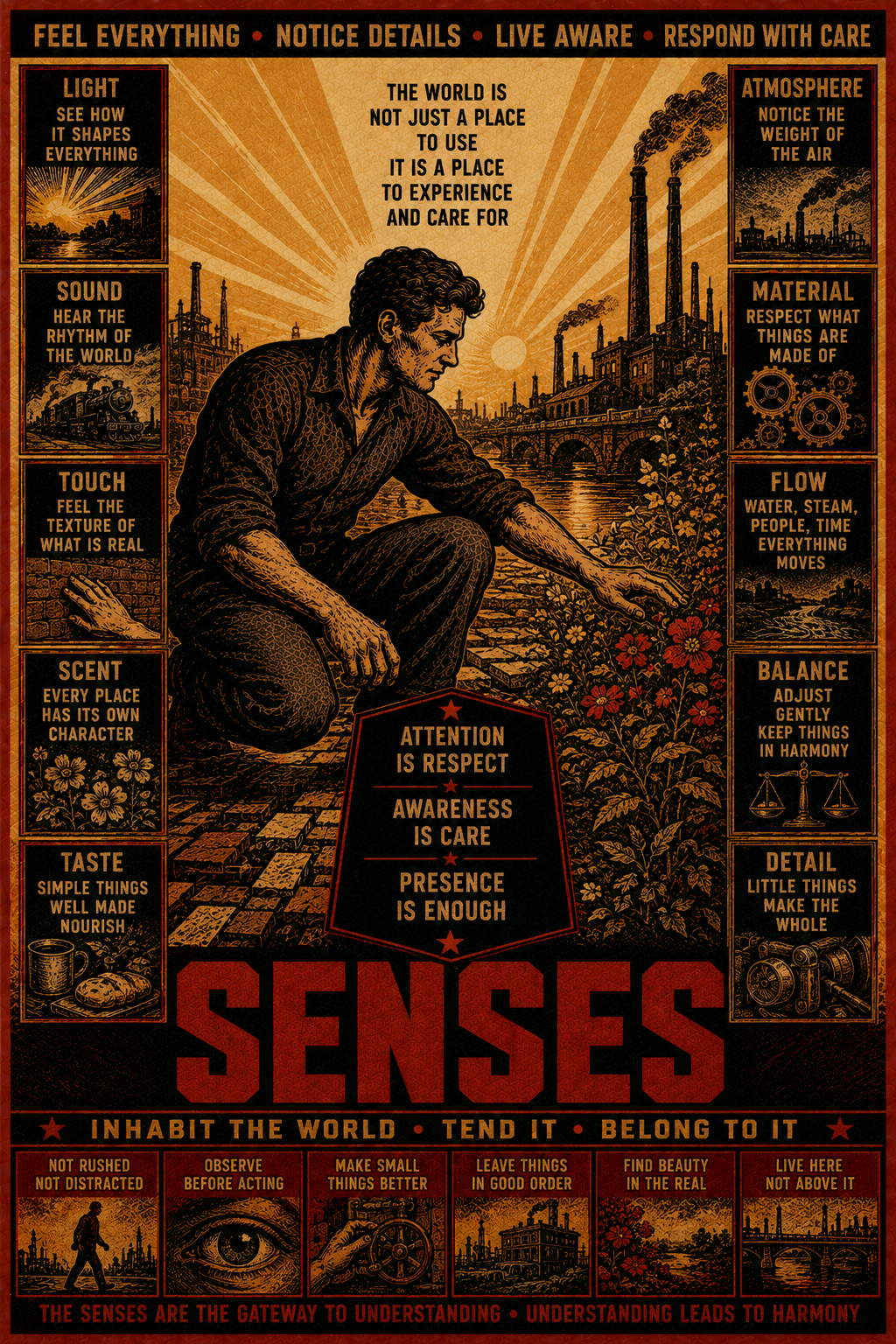

The physical environment in which things happen. Maintaining balance and quality of experience. Perceiving how details affect flow in the moment. Peaceful, grounded, detail-aware. Integrating, dynamic, attractive, questioning.
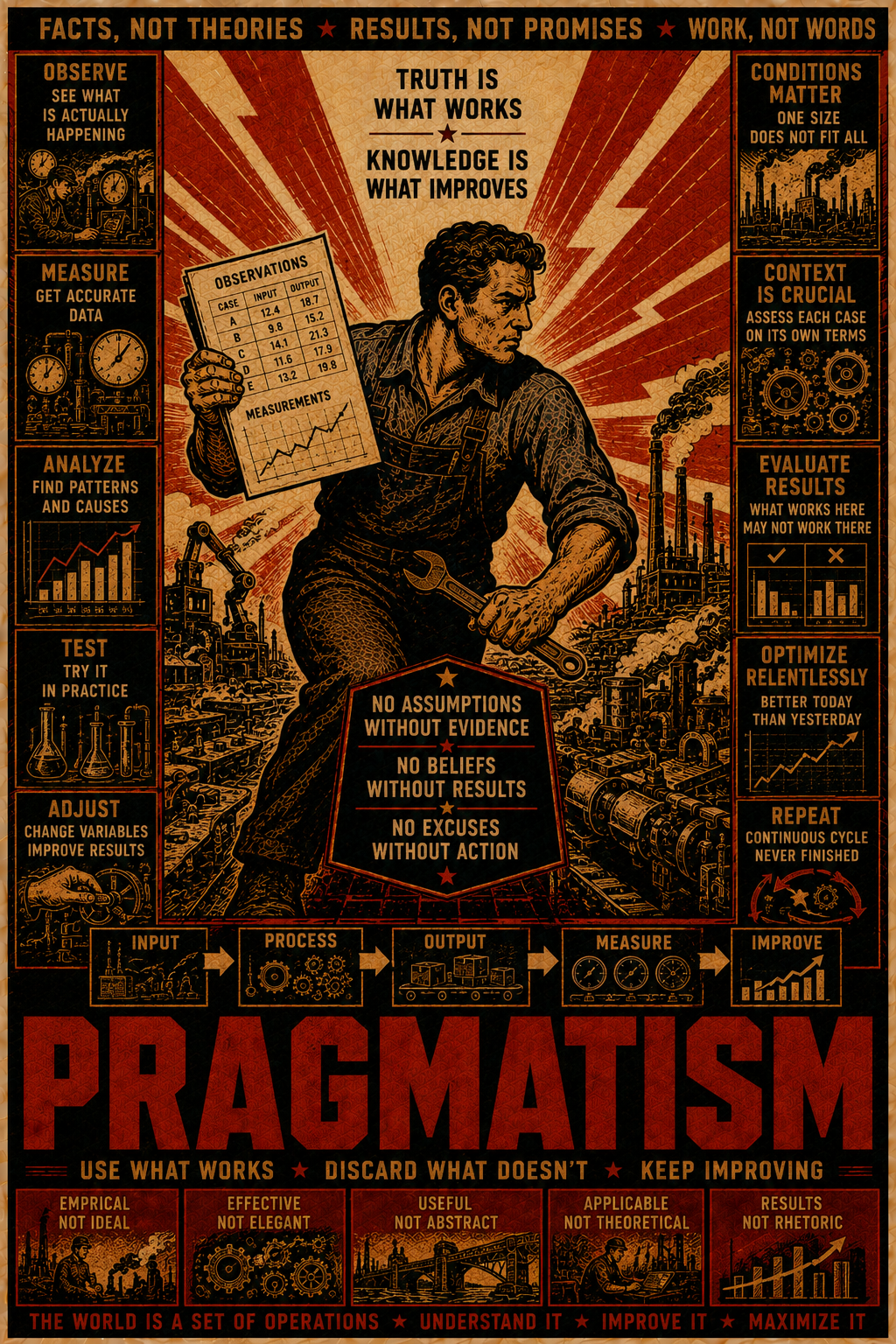
Informal logic and articulation of fact propositions. Uses available data to figure out productive end goals and workable strategies. Energising, dynamic, repulsive, questioning.
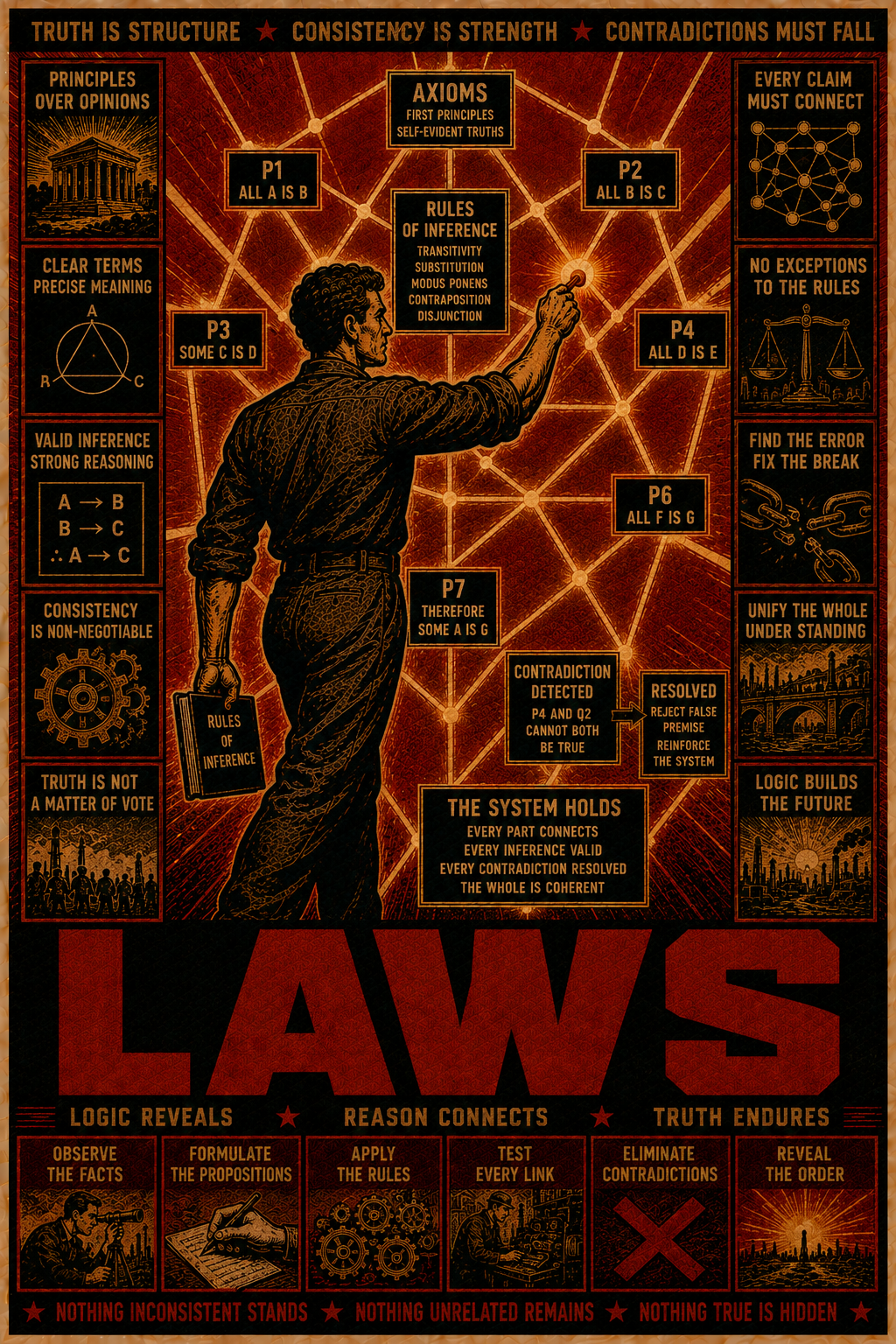
Structural frameworks, underlying rules and principles, logical consistency. The logic of classification and internal coherence. Integrating, static, attractive, conclusive.
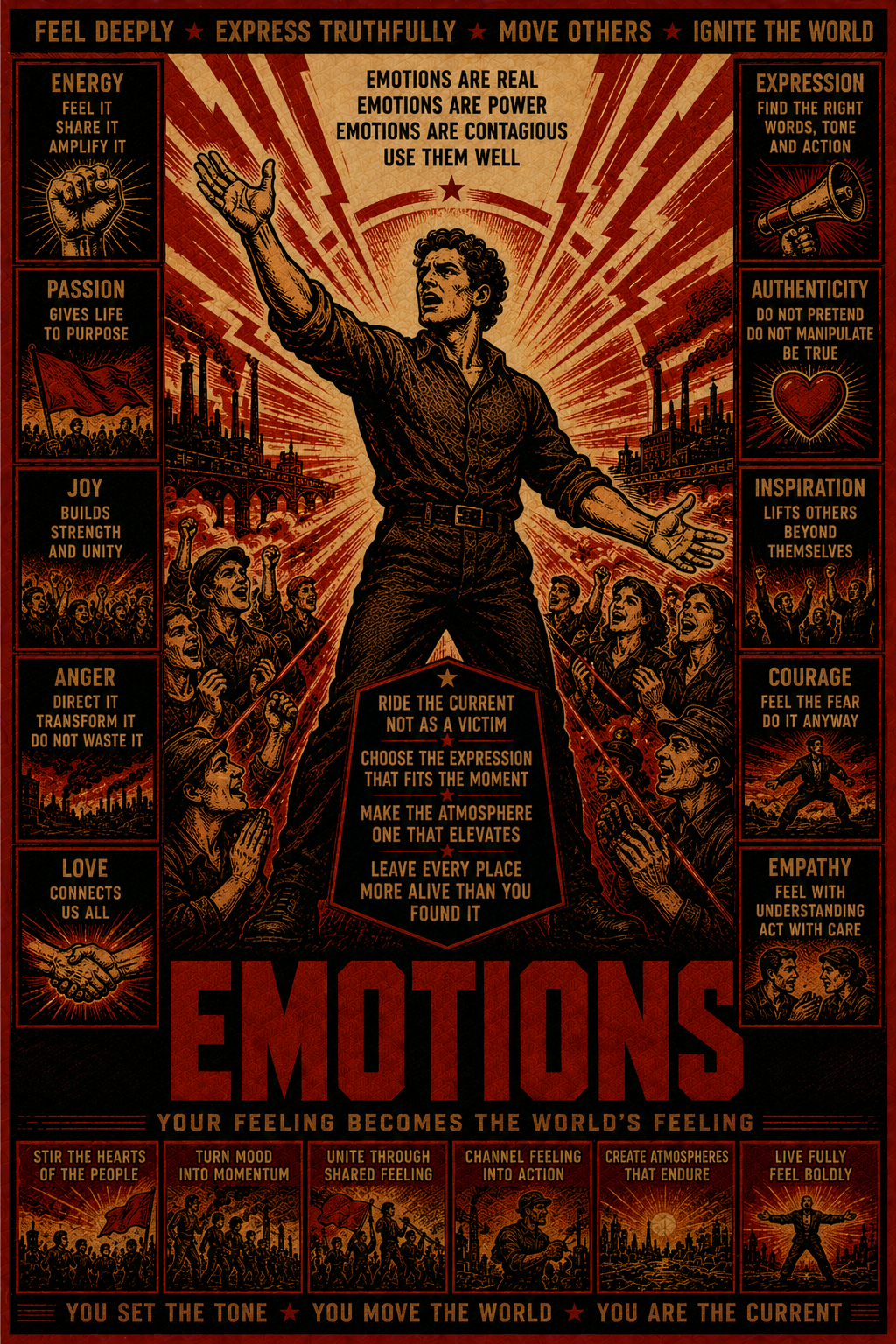

Dynamic emotional expression. Provoking feeling states. Creating shared emotional atmosphere. Energising, dynamic, attractive, conclusive.
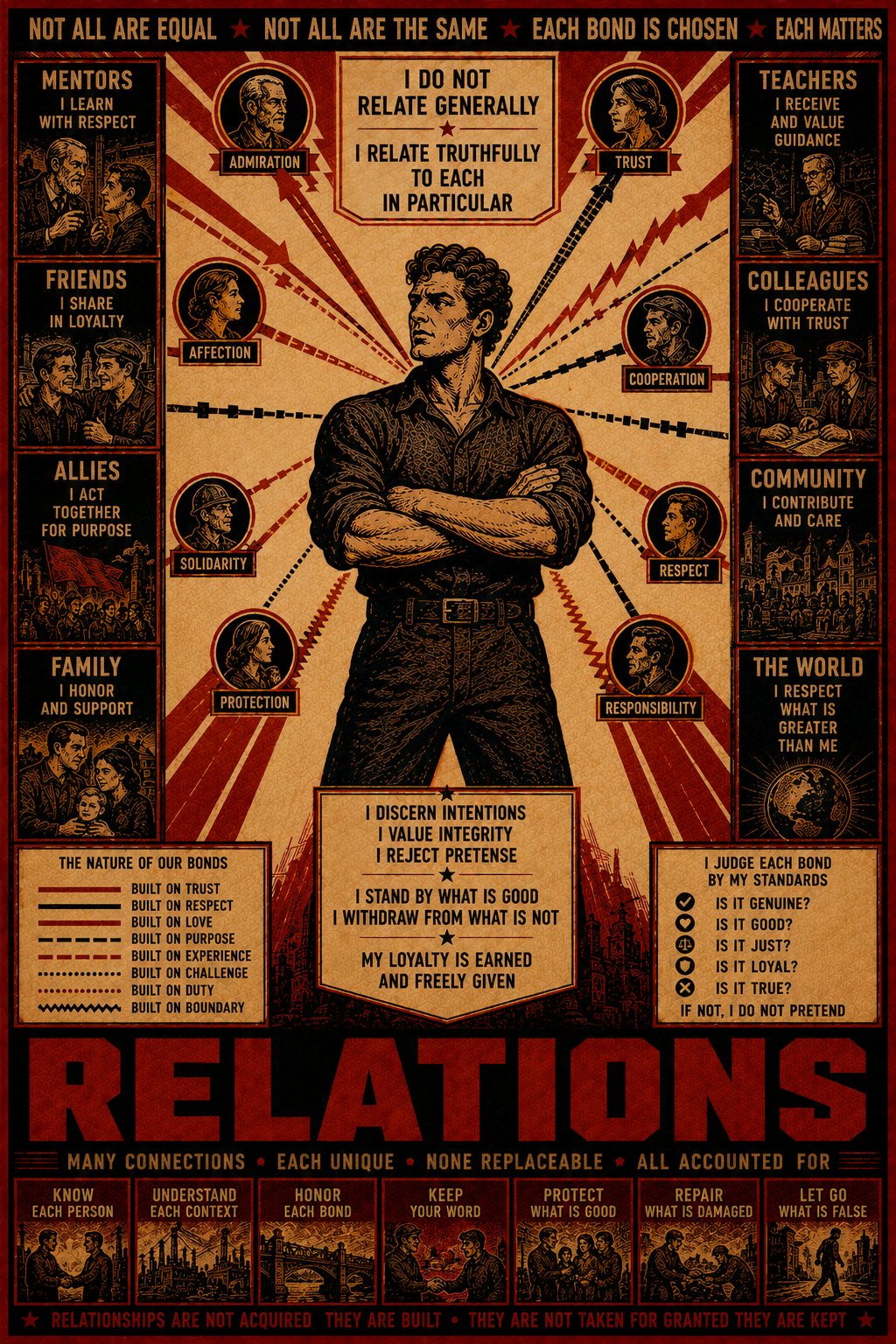

Stable personal attitudes. Relational bonds. Deep felt senses about particular people and objects. Integrating, static, repulsive, questioning.
Model A Structure
The eight functions are the positions within the psyche to which the eight IM elements are assigned. As the previous section established, what distinguishes one type from another is not which elements exist but which function each element occupies — because the same element does fundamentally different psychological work depending on where it sits. Ti in the leading position and Ti in the vulnerable position are both Ti, but they operate with entirely different levels of confidence, consciousness and psychological weight.
The eight functions are organised into four blocks of two, each governing a distinct territory of psychological life. The Ego block — functions 1 and 2 — is the seat of conscious strength: what the type leads with and what it deploys as its primary tool. The Super-Ego — functions 3 and 4 — is the territory of conscious strain: what the type is expected to perform but finds effortful and exposed. The Super-Id — functions 5 and 6 — is the territory of unconscious need: what the type cannot easily produce itself but responds to powerfully in others. The Id — functions 7 and 8 — is the territory of unconscious background competence: what the type does automatically and without awareness, neither a strength it claims nor a weakness it feels.
The blocks also map onto two structural axes. The Ego and Super-Id contain the type's four valued elements; the Super-Ego and Id contain the four unvalued ones — which is why types within the same quadra feel aligned, and why the dual relationship is so potent: what one type leads with is precisely what the other most needs. The Ego and Super-Ego are conscious territories; the Super-Id and Id are unconscious. Conscious strength, conscious strain, unconscious need, unconscious background — four territories, one architecture.
Every type assigns all eight elements to all eight functions — but in a different order, and it is that order, not the elements themselves, that defines the type.
Functional Stack Flow
The stack is not just a list. The public ring moves through the conscious positions, the private ring moves through the vital positions, and each block pairs a demanding function with a supplying one.
Public Ring
The public ring runs through positions 1, 2, 3, and 4: the conscious face of the type, moving from confident agenda into social strain.
Block Structure
Each pair of functions forms a block: a two-function unit with its own strength, level of consciousness, and motivational status. The blocks are always read in the same vertical order: Ego, Super-Ego, Super-Id, and Id. Together they show how a type moves from conscious confidence, through conscious strain, into unconscious need and background competence.
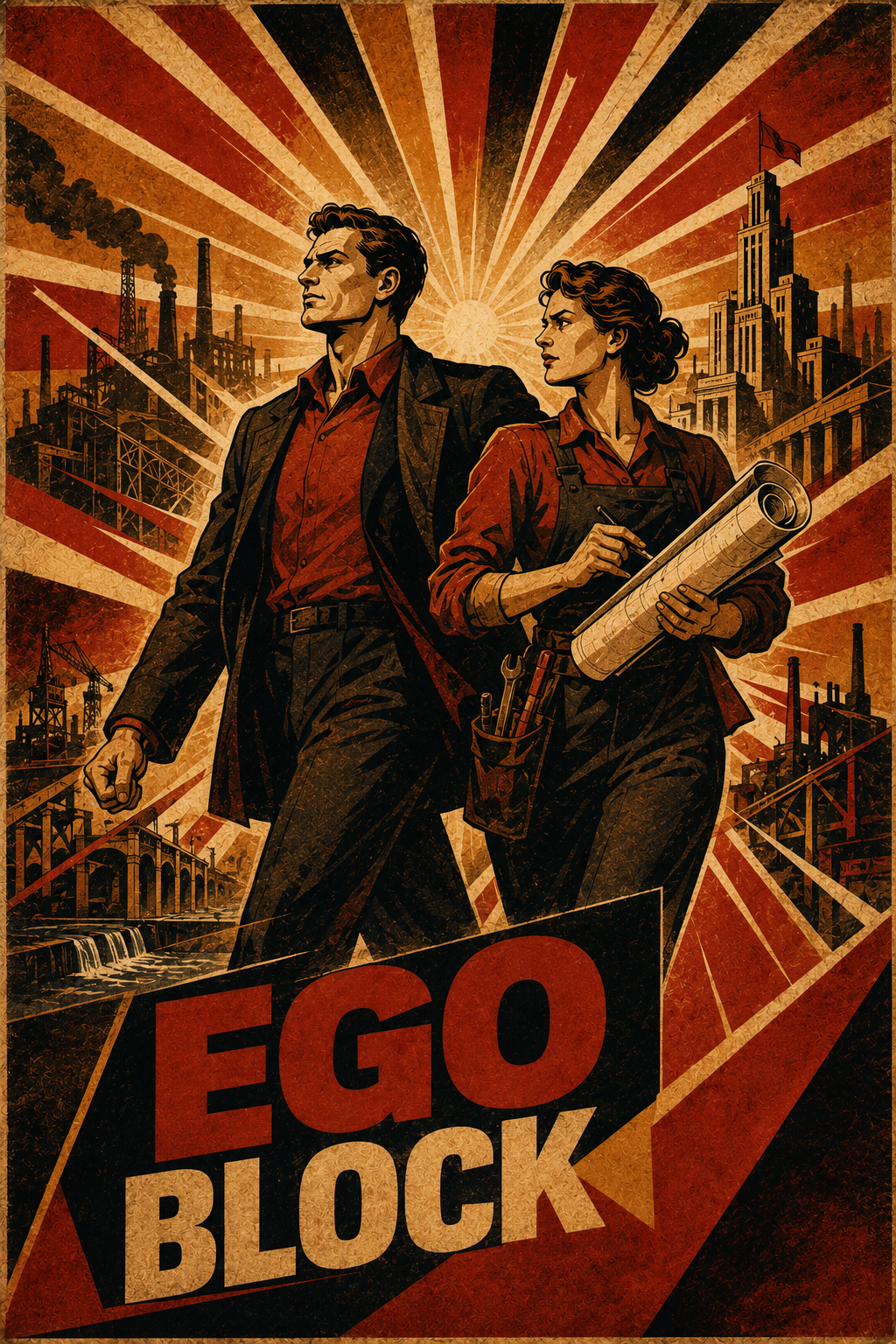
LeadingCreative
The conscious, valued, strong block: the type's confident agenda and its primary tool for shaping the world.

RoleVulnerable
The public, weak, neglected block: the territory of social expectation, effort, exposure, and strain.
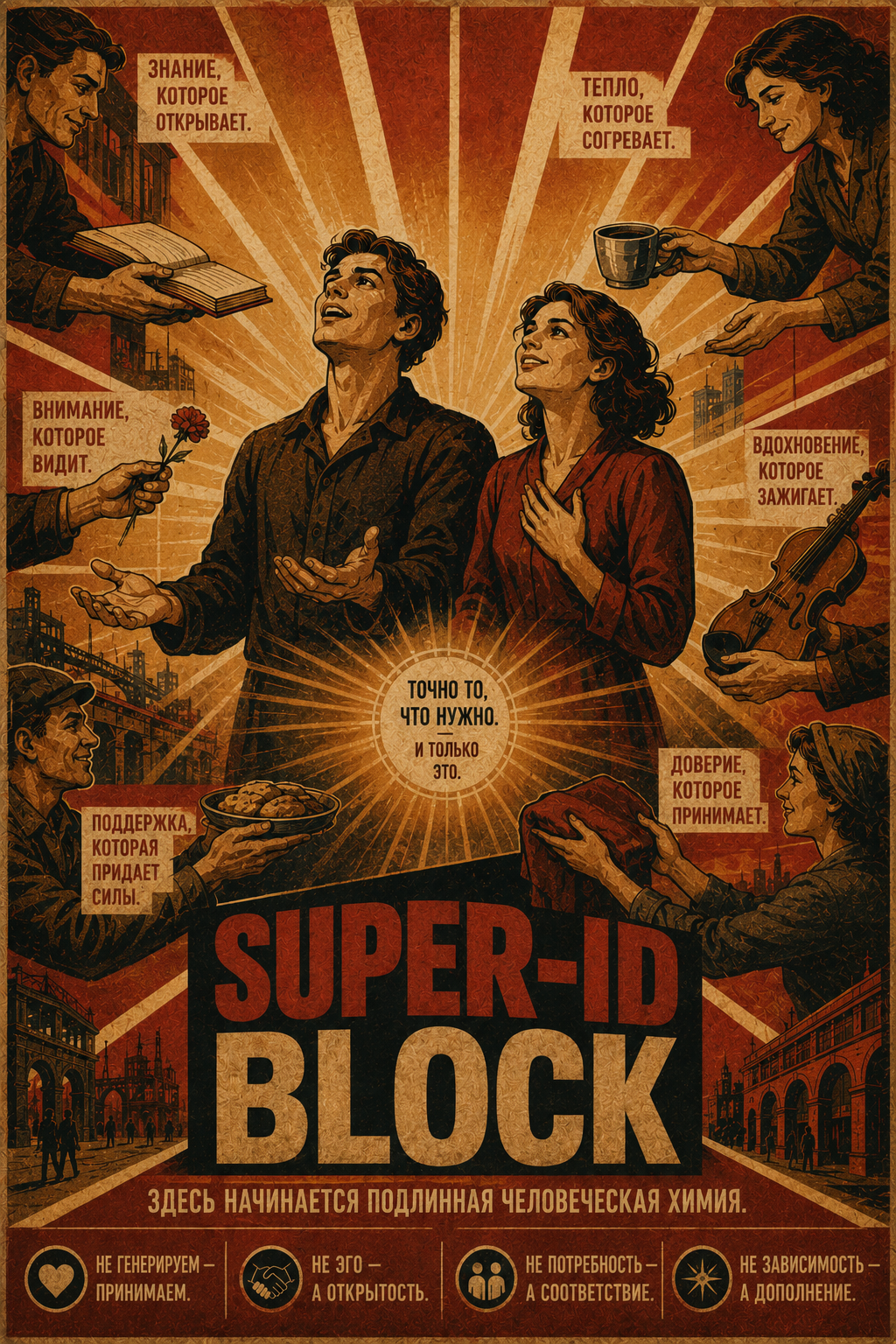
SuggestiveMobilising
The private, weak, valued block: the place of genuine need, receptivity, encouragement, and interpersonal chemistry.
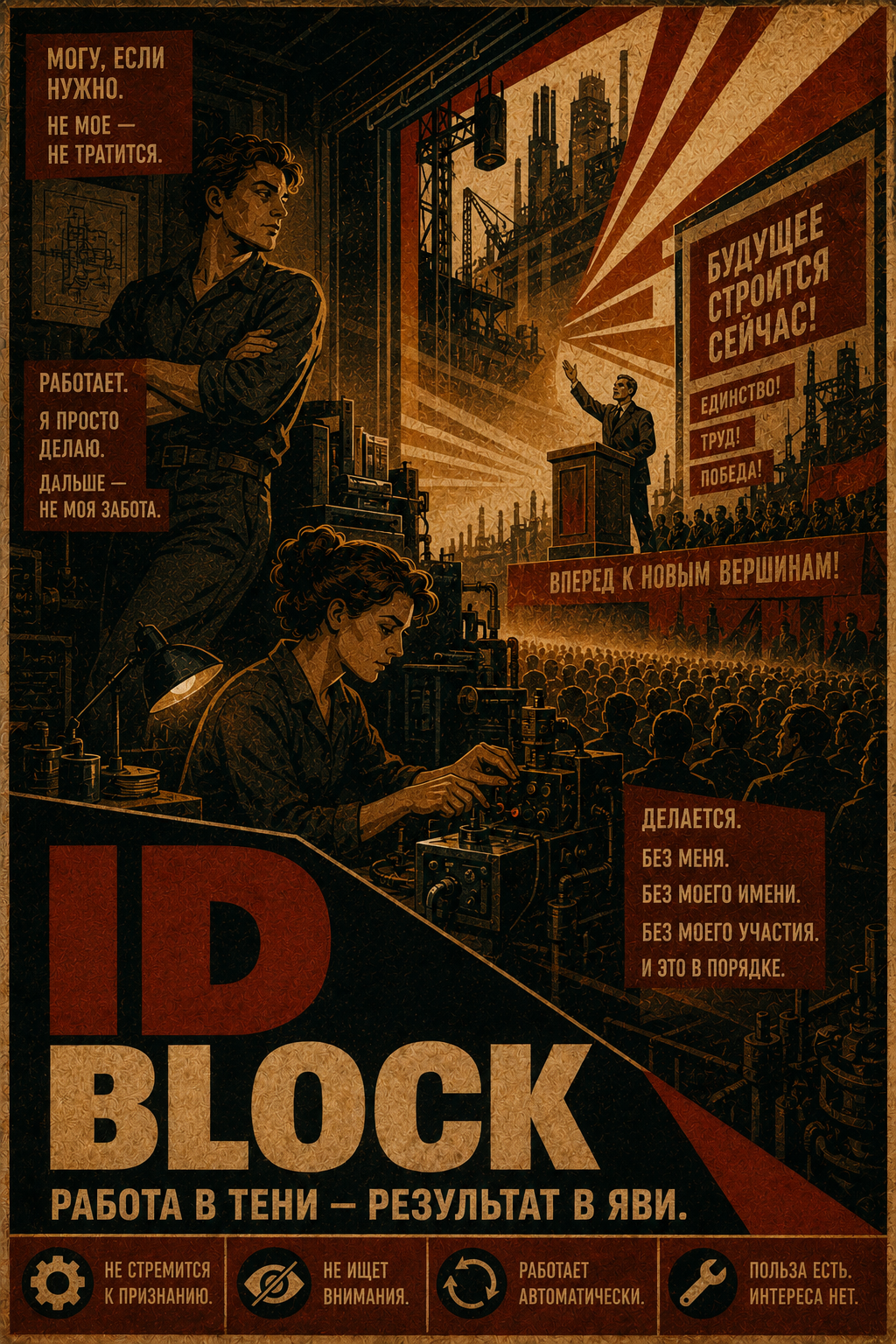
IgnoringDemonstrative
The private, strong, neglected block: capable background processing that operates with little need for attention.
Next Step
Continue through Model A. The foundations page gives the frame. The specialist pages now carry the heavier reference material: dichotomies, dimensionality, and function mechanics.