
Gabriel
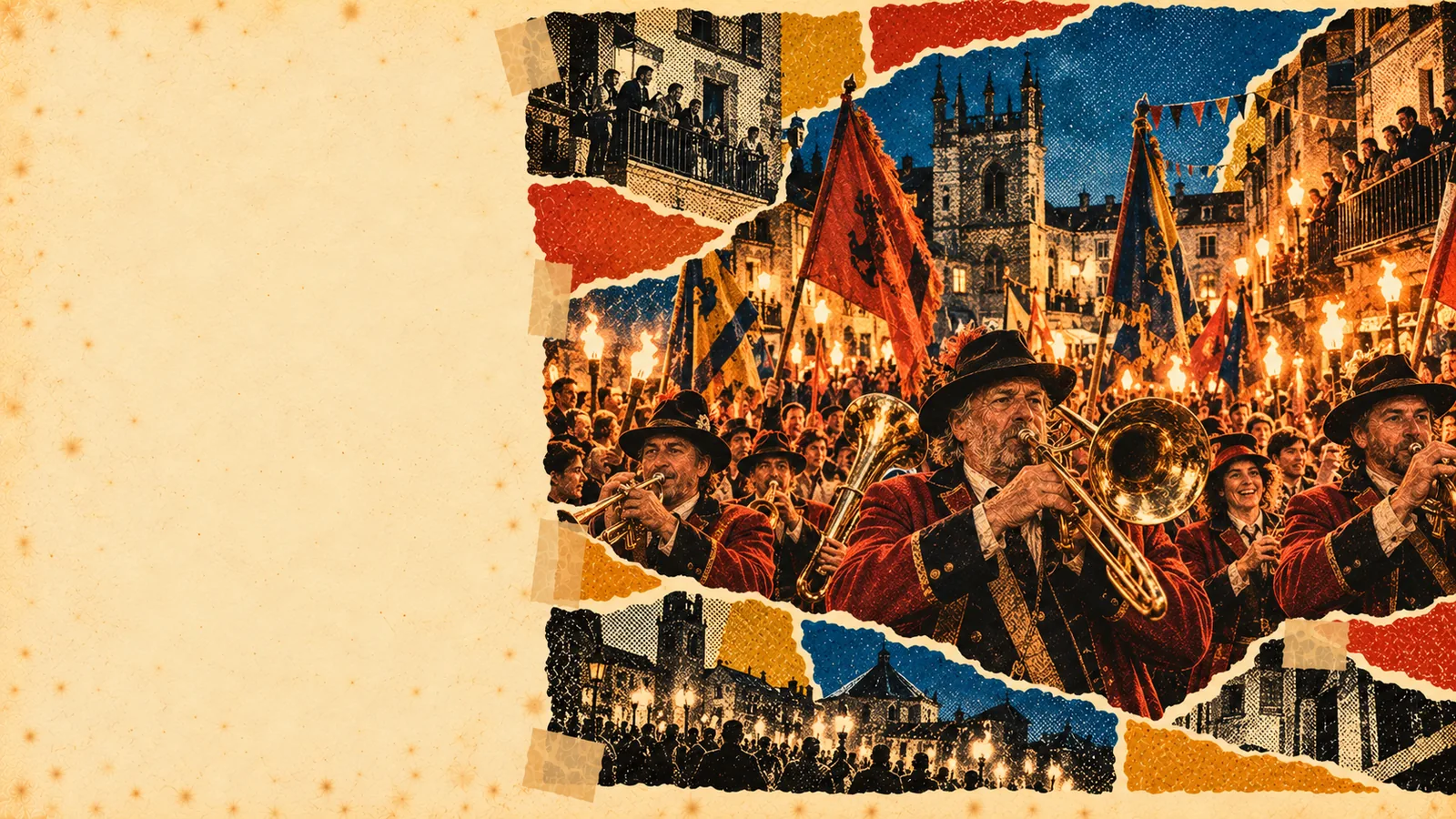
Gabriel wrote the speech in his head during the commute and it was better in his head than on the page, but the page will do. He thinks in terms of meaning and stakes — what this moment means, what it is calling for, what the people in the room need to feel in order to move. He is not above using feeling strategically, but the feeling is also real; both things are true and he does not experience them as contradictory. Someone will say he is too much. He has heard this before. He considers it. Discards it. The capacity for intensity is precision, not excess. He notices who has gone quiet, who is ready to be moved, and which phrase will gather the room into one emotional weather. Even when he is alone, he rehearses the moral temperature of the next encounter, not the facts but the force they must carry.
Nadia
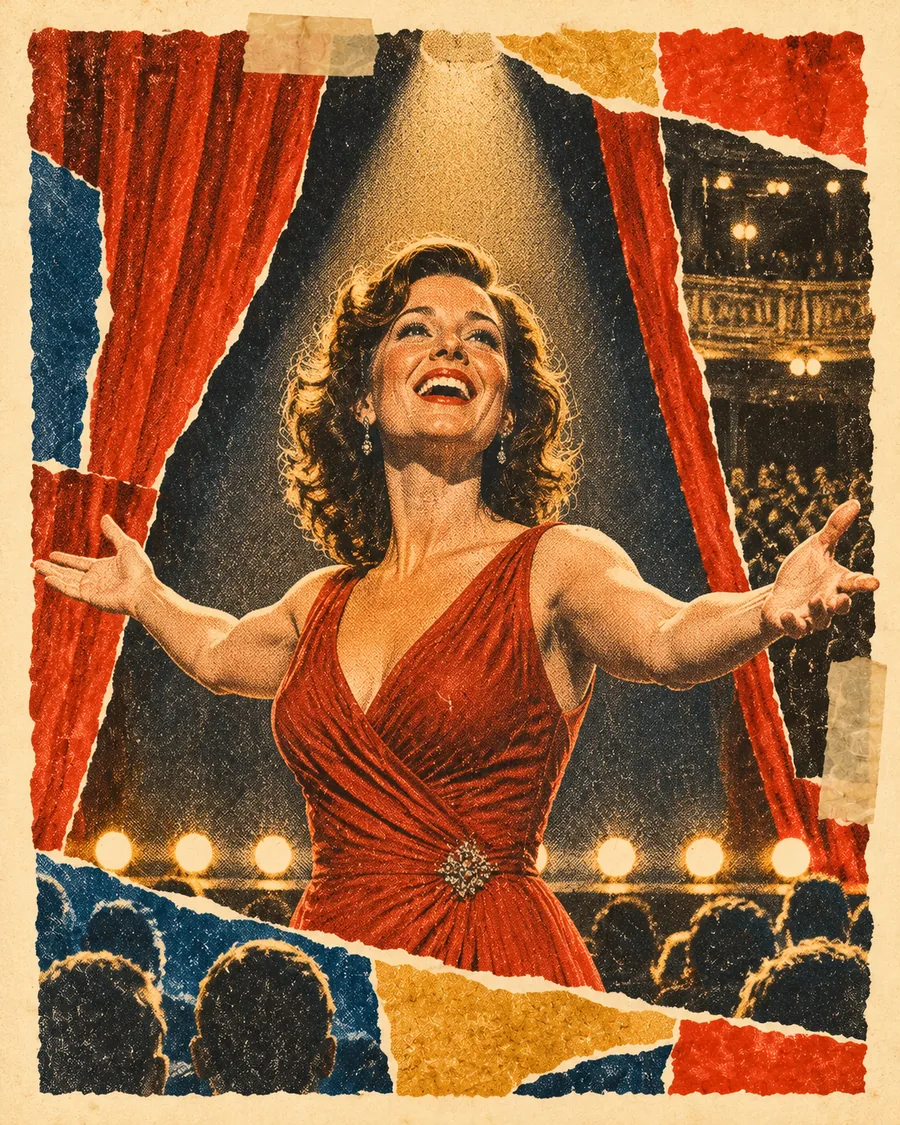
Nadia's aesthetic is deliberate. The music she makes is not incidental to who she is — it is the most direct route to what she means. She does not explain the songs. She watches people listen and tracks what reaches them and what slides past, and she adjusts: not the music but the delivery, the staging, the moment of silence before the chord. After a performance she is restless rather than relieved. The good shows leave her wound up, looking for the next thing to give shape to. The feeling has to go somewhere. It always goes somewhere. Her work is full of deliberate crescendos: a pause before the difficult sentence, a glance that lets someone know the moment matters, a story placed exactly where argument would fail. People sometimes call her dramatic, but the drama is usually disciplined, pointed toward transformation.