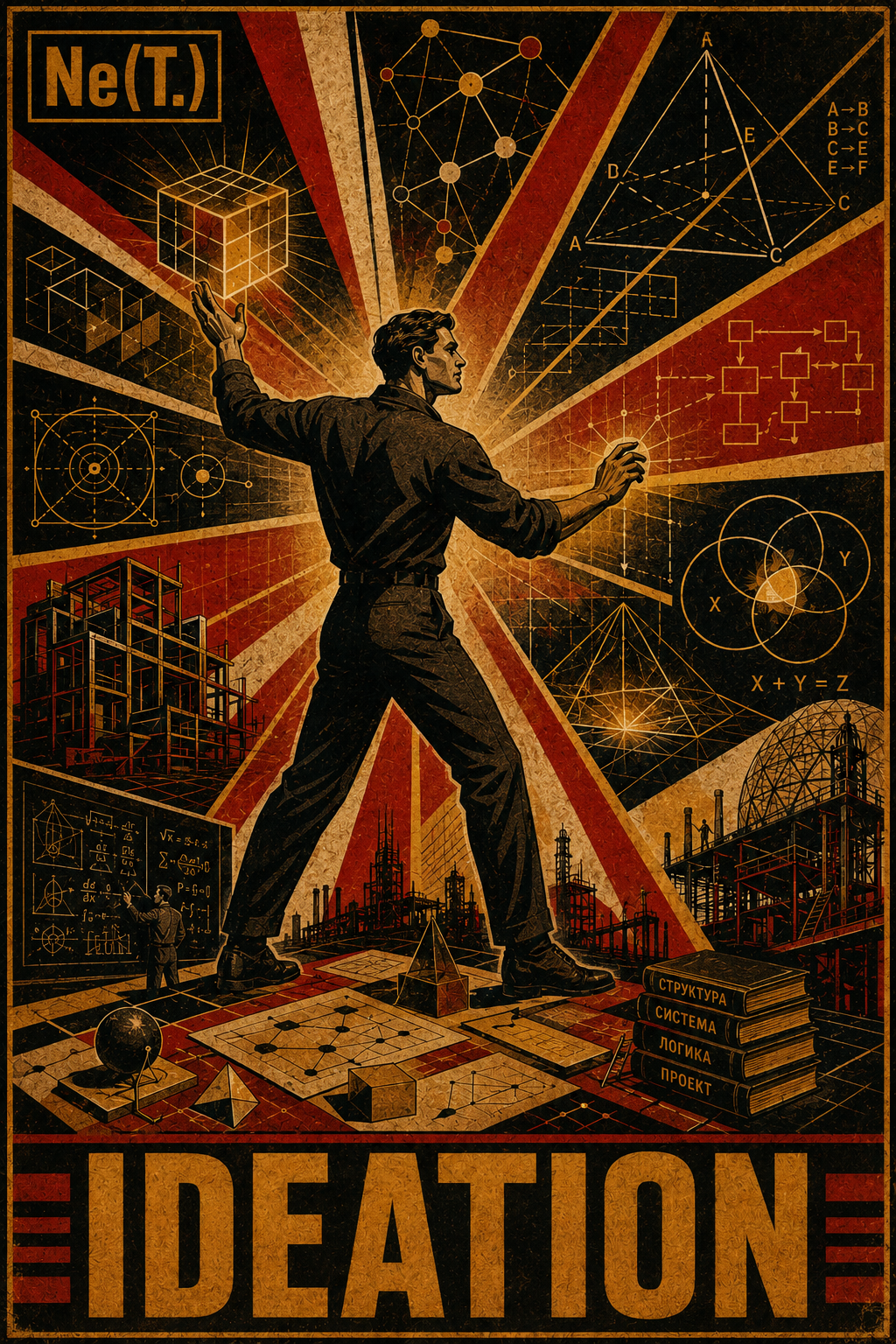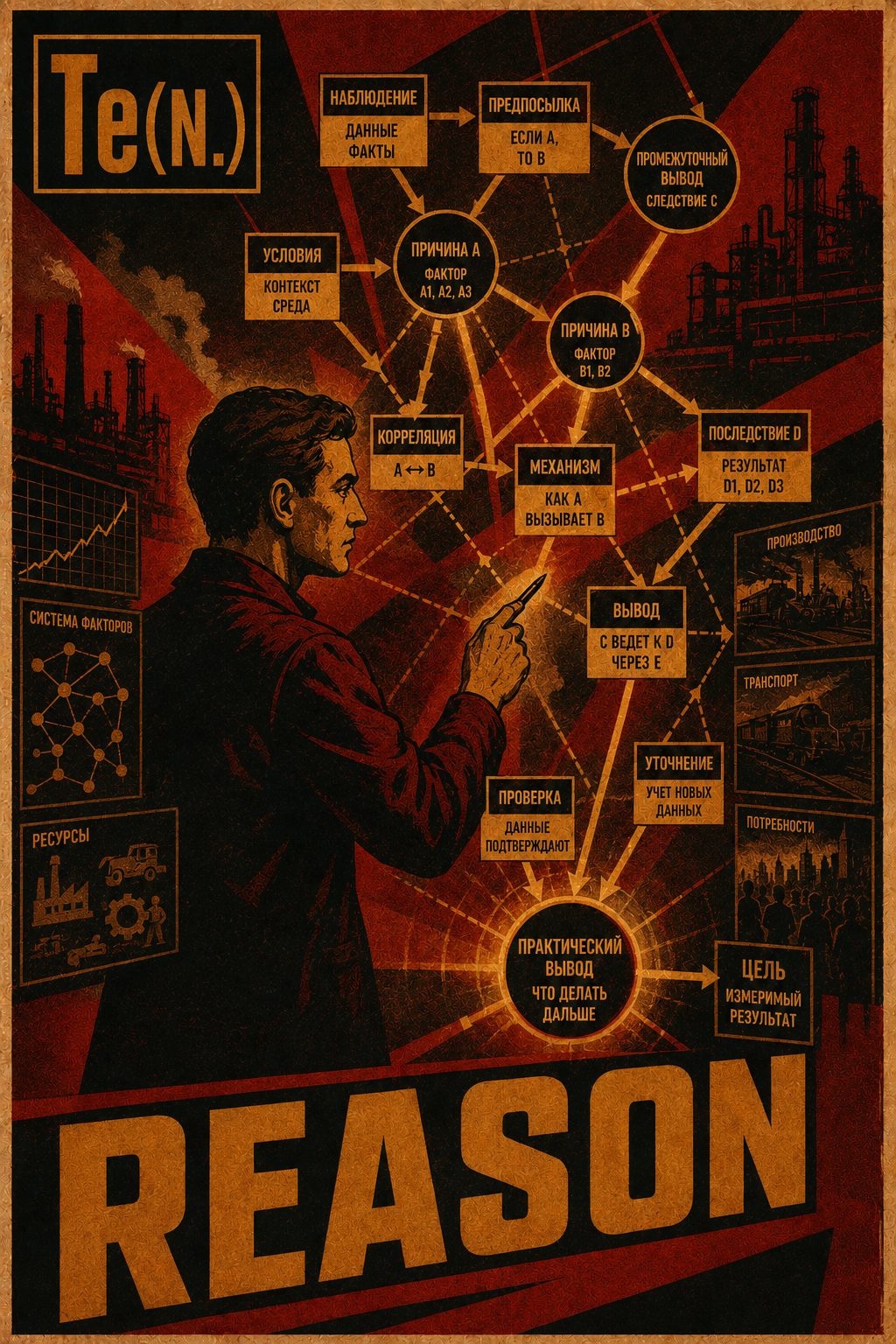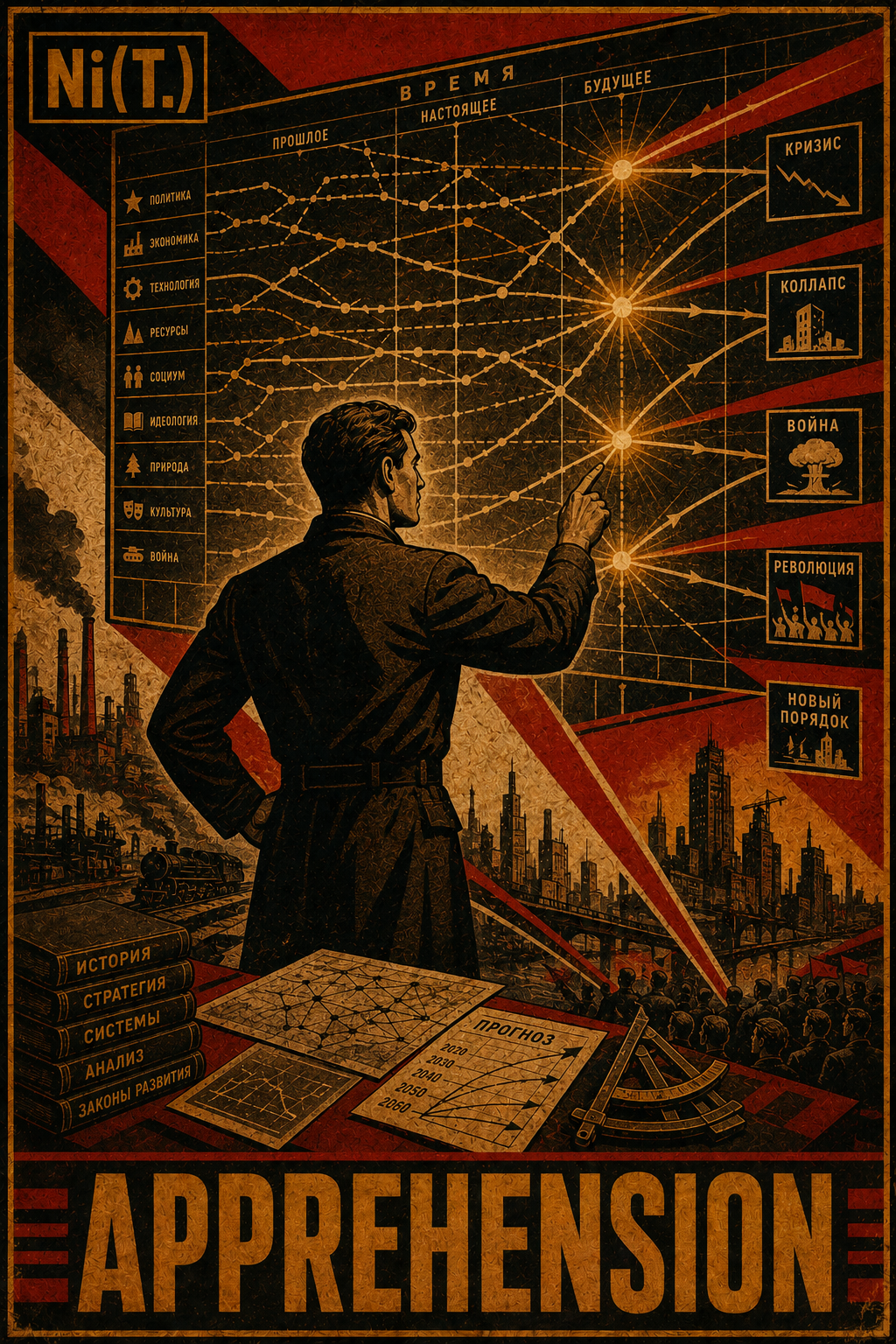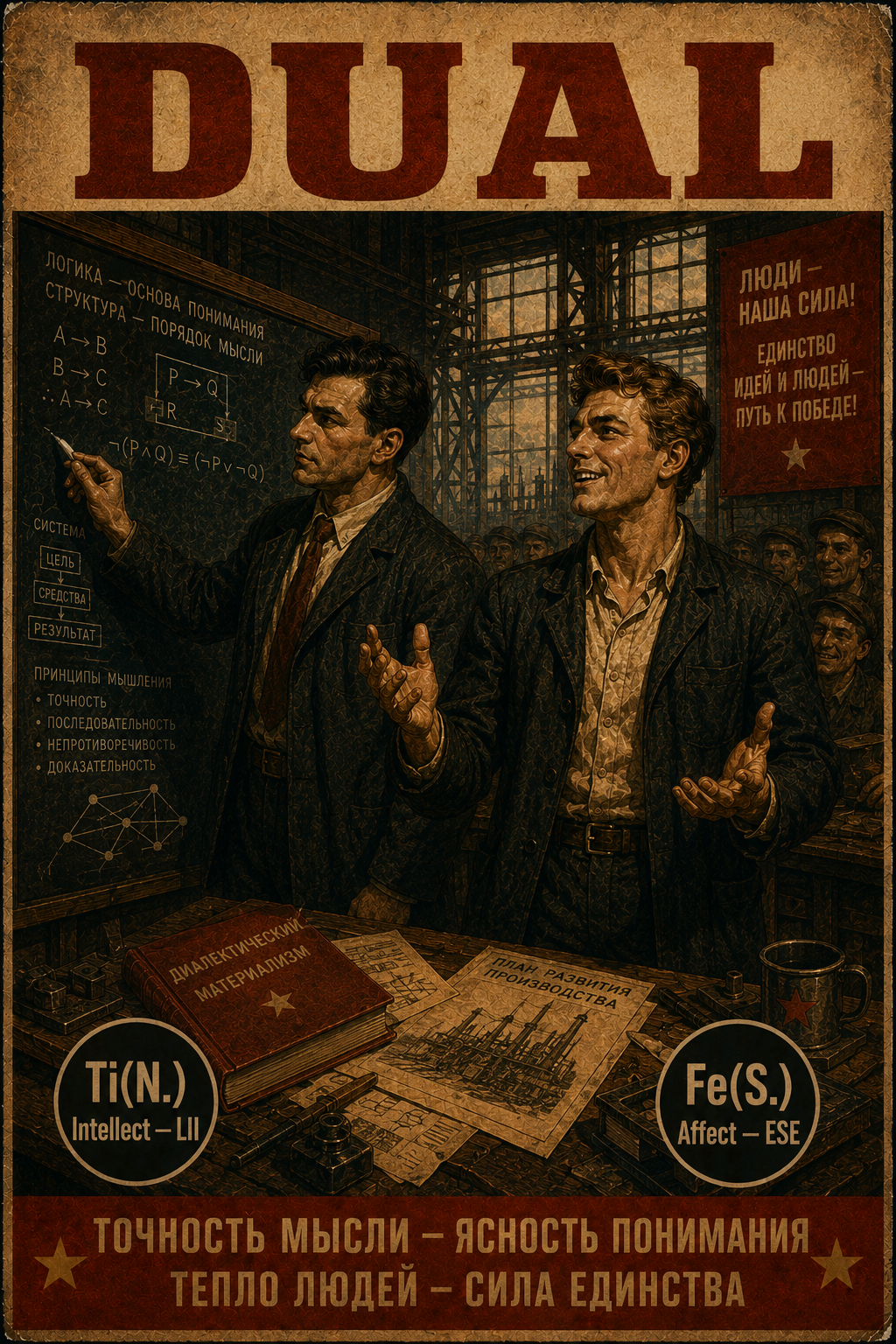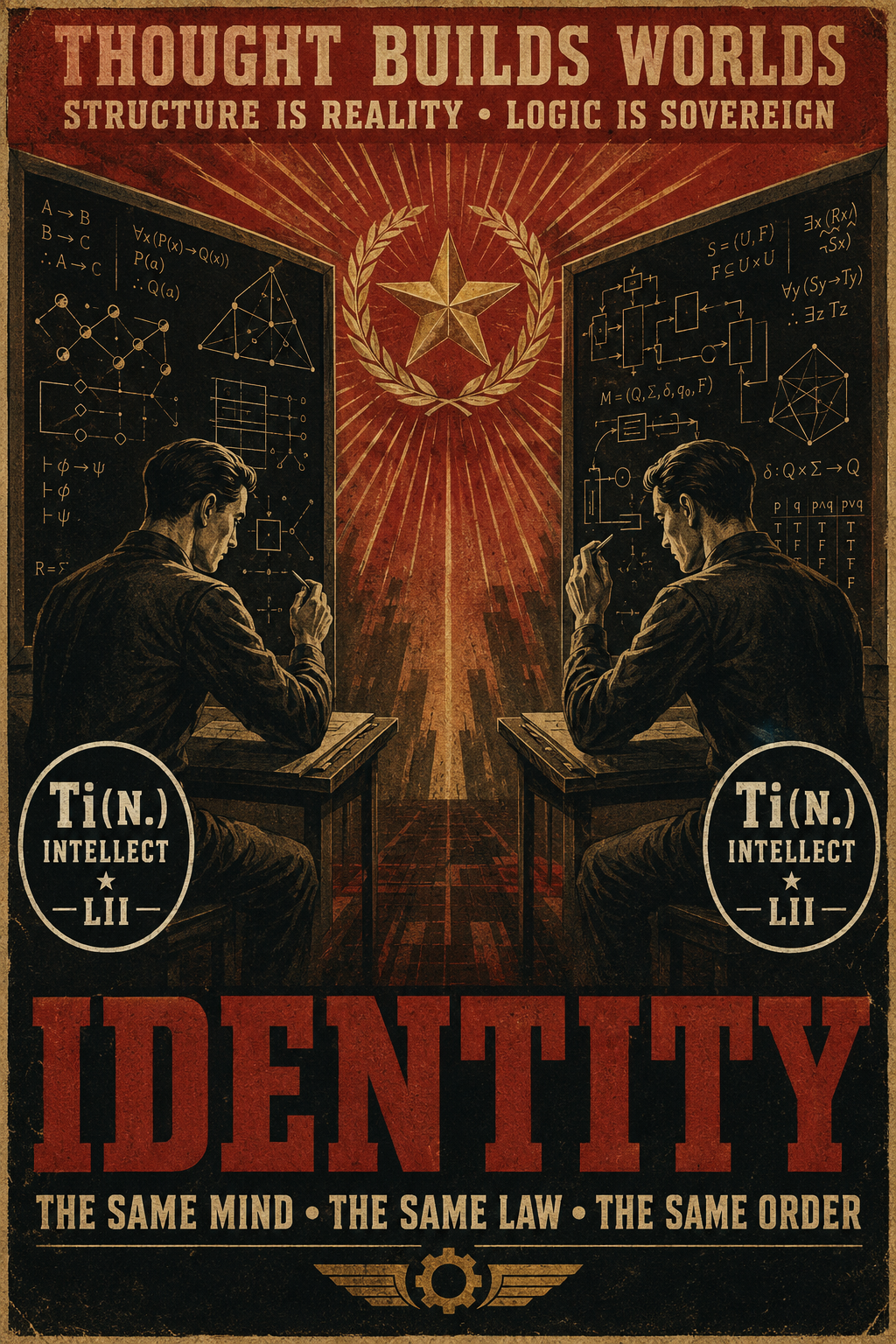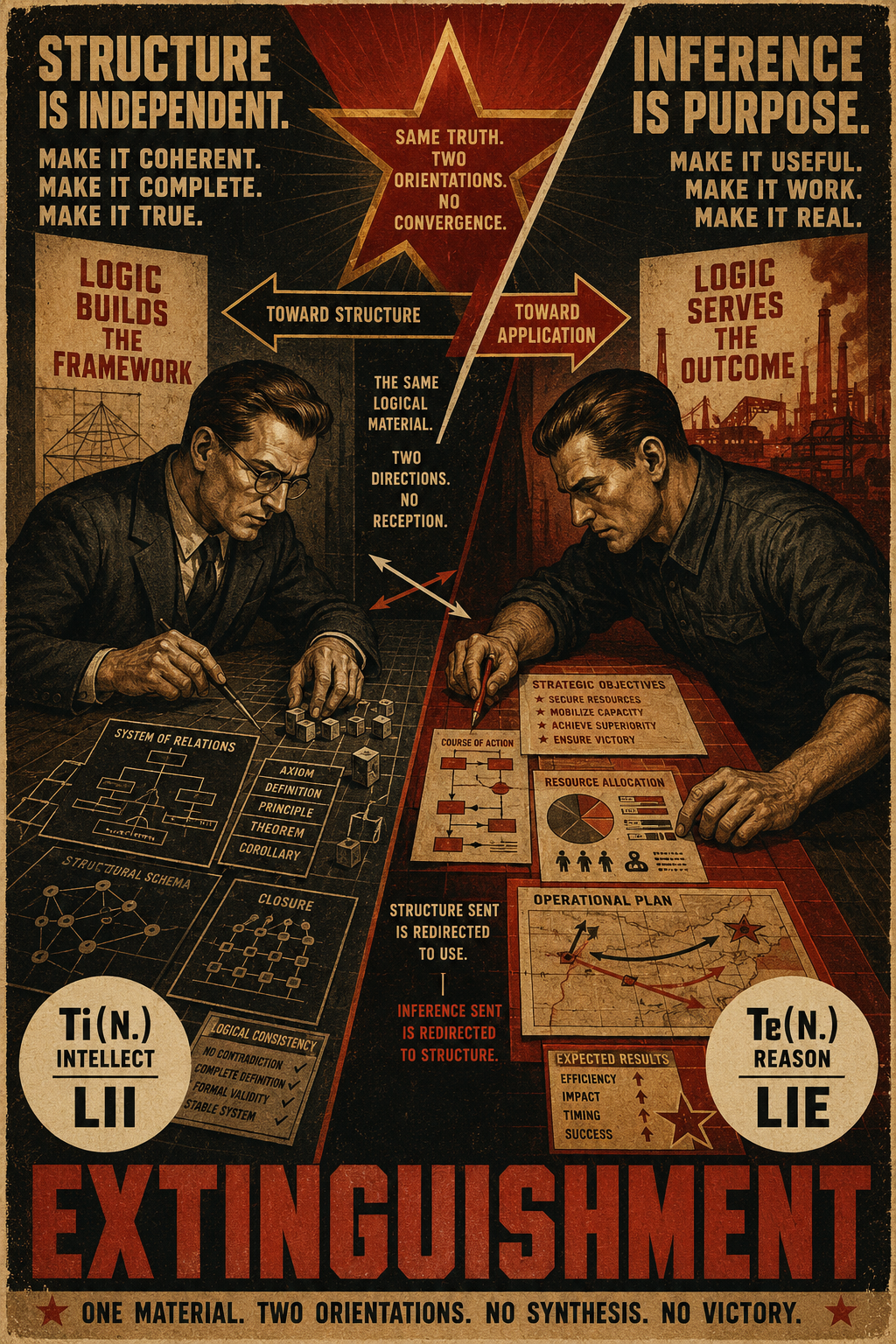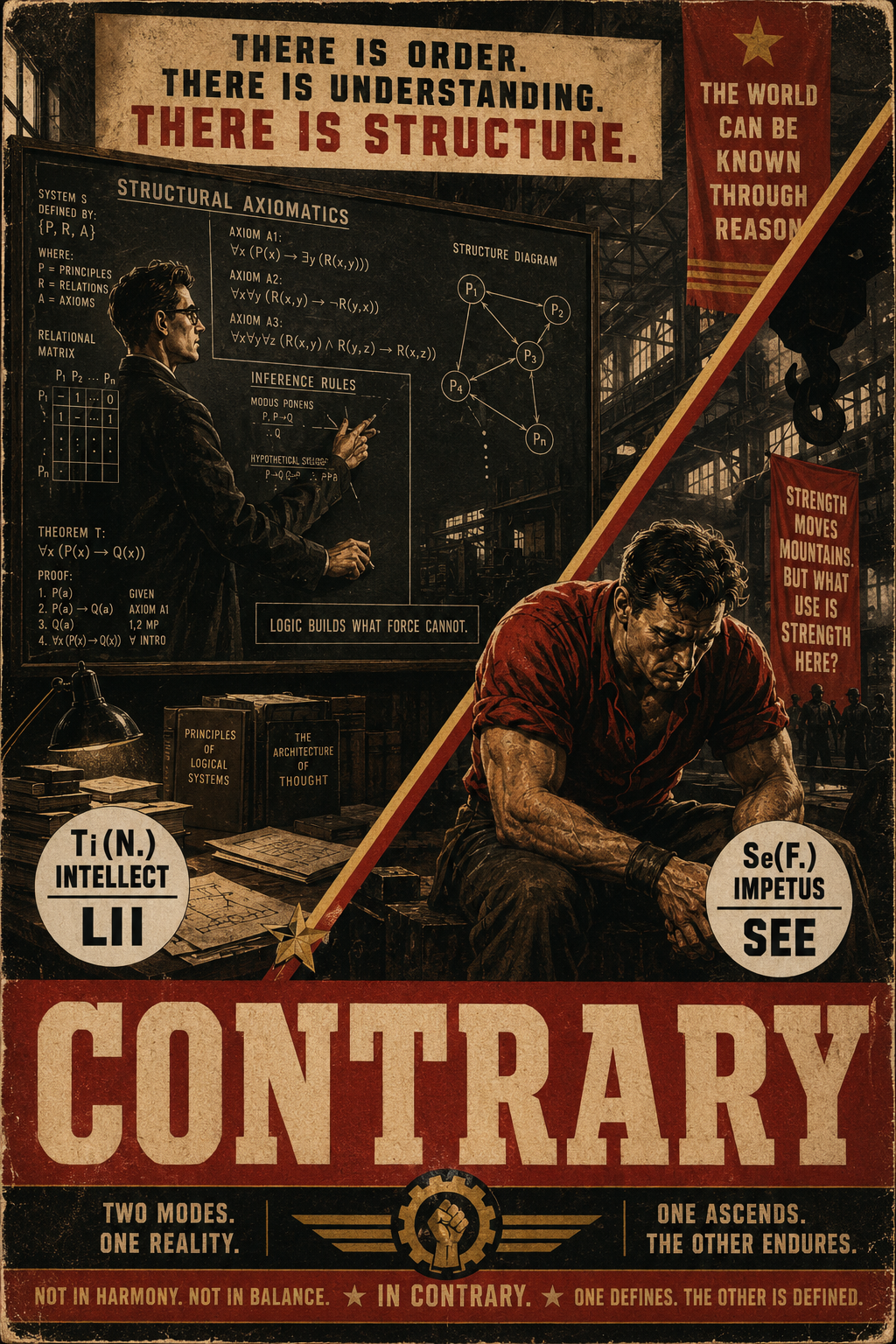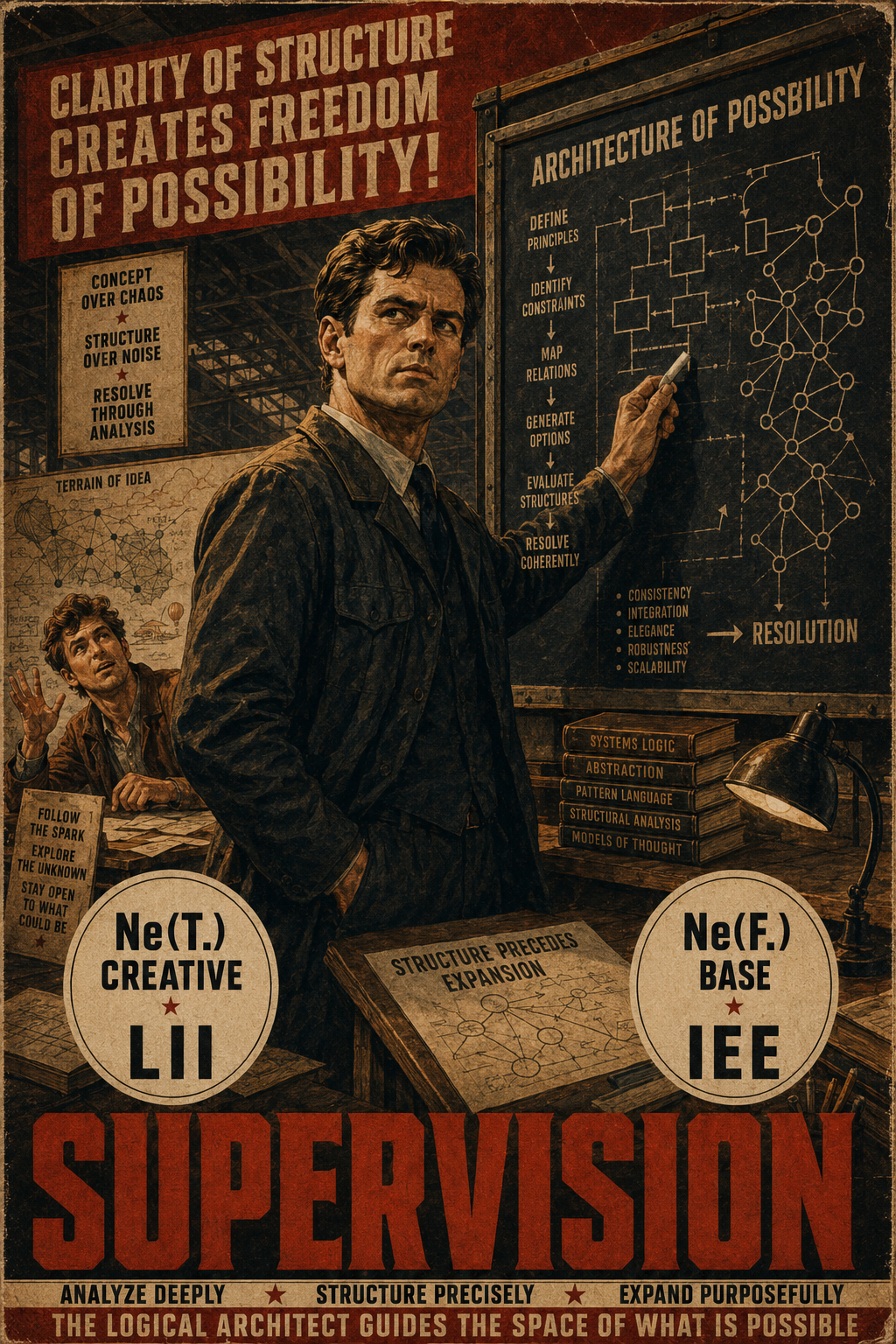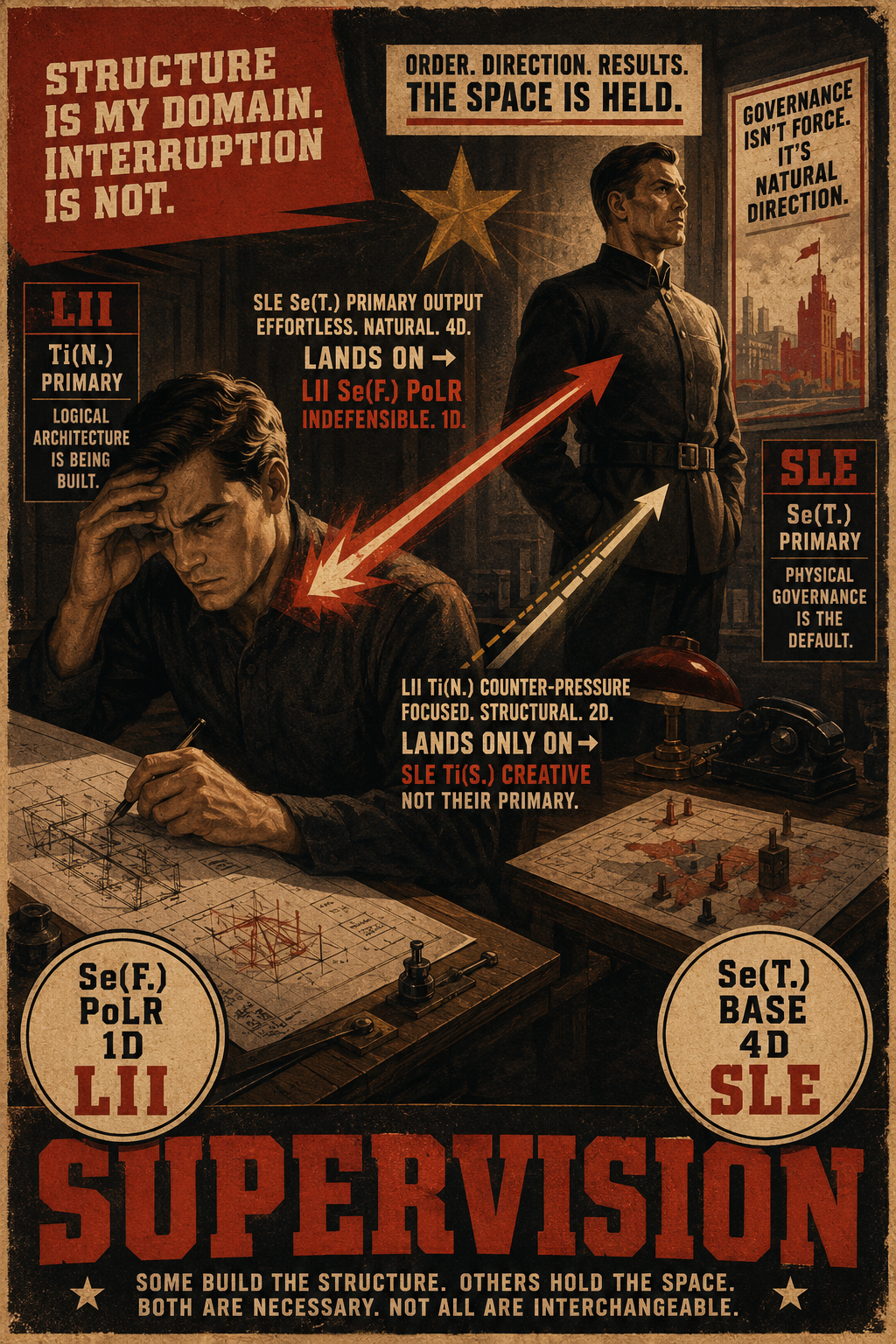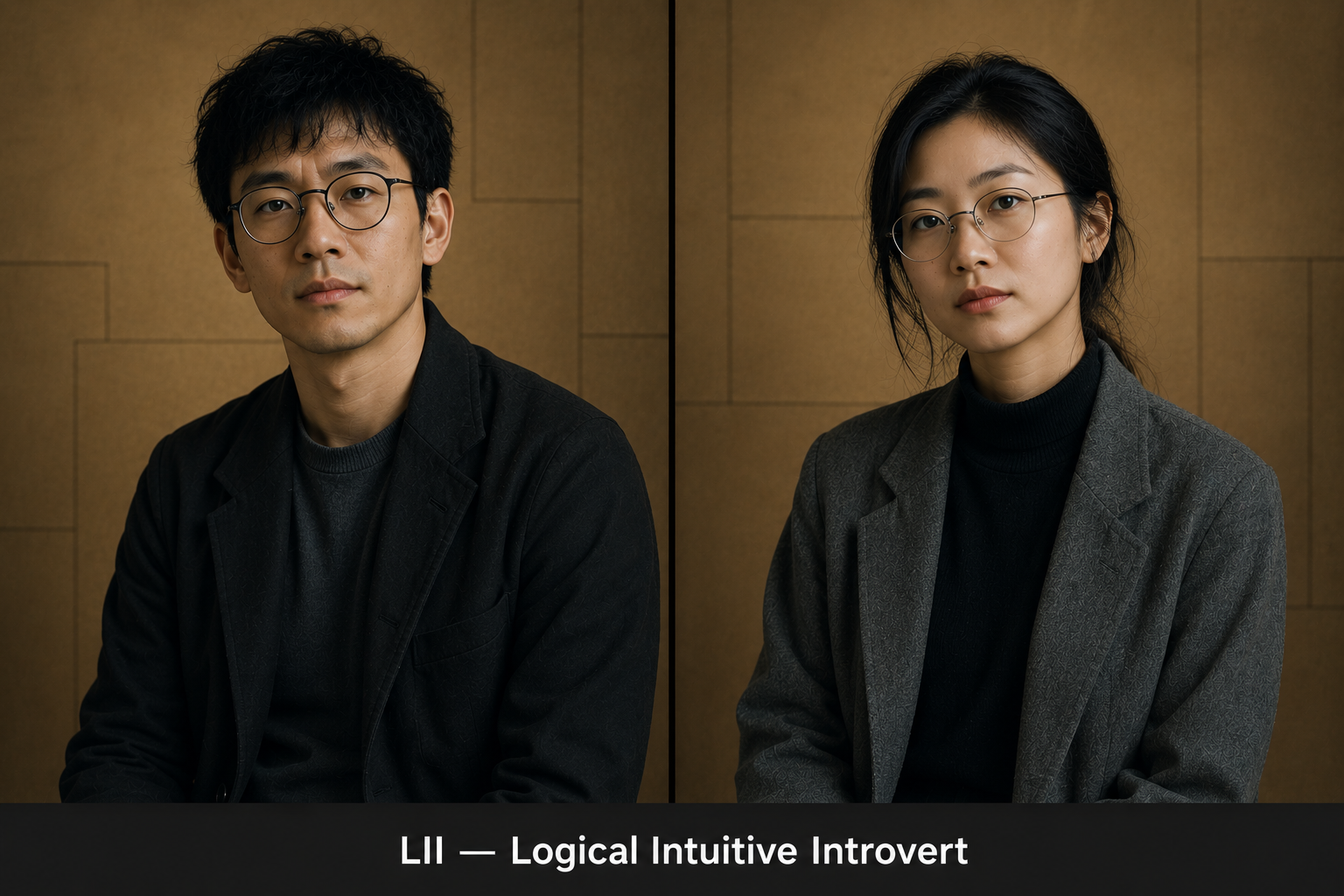


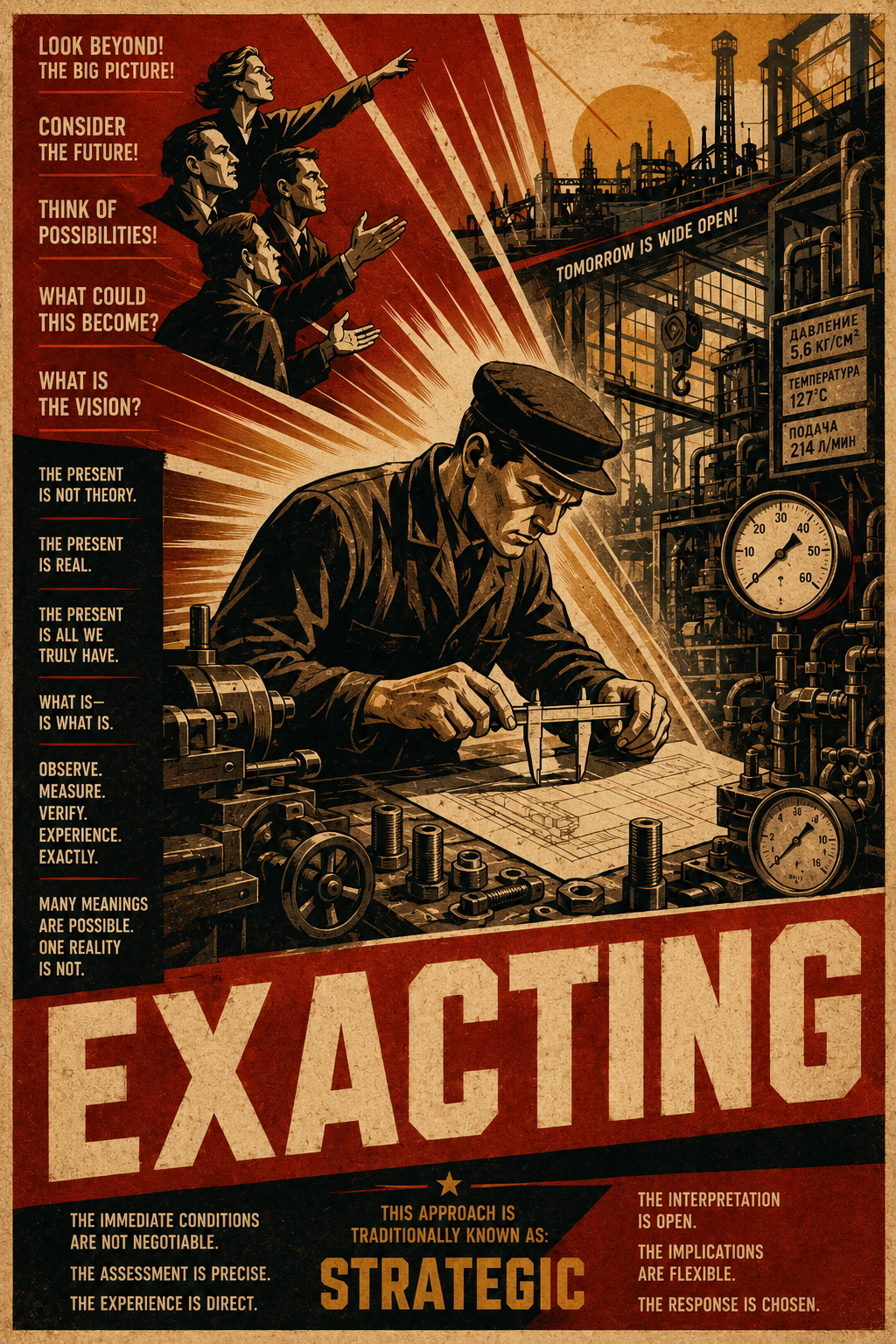
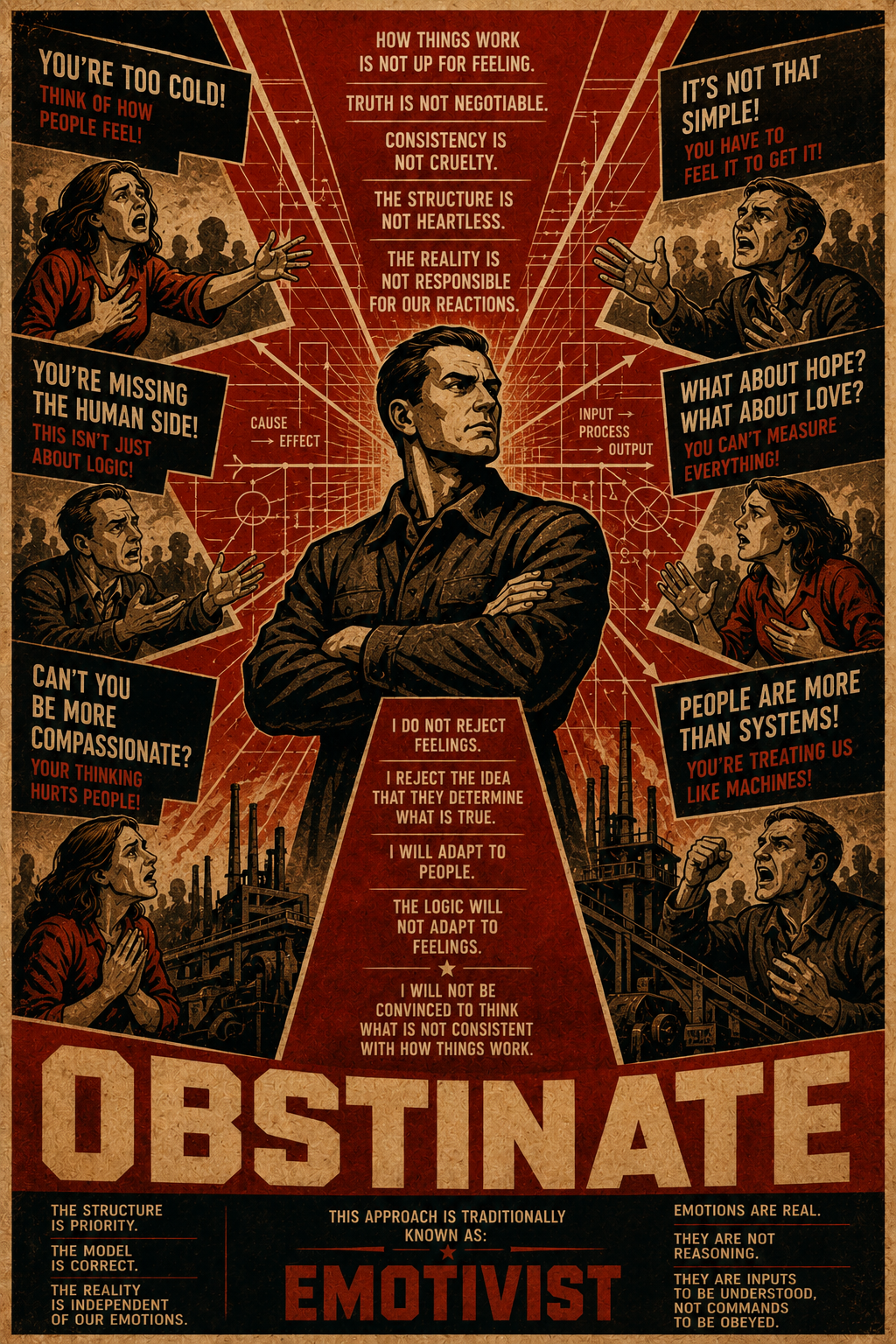
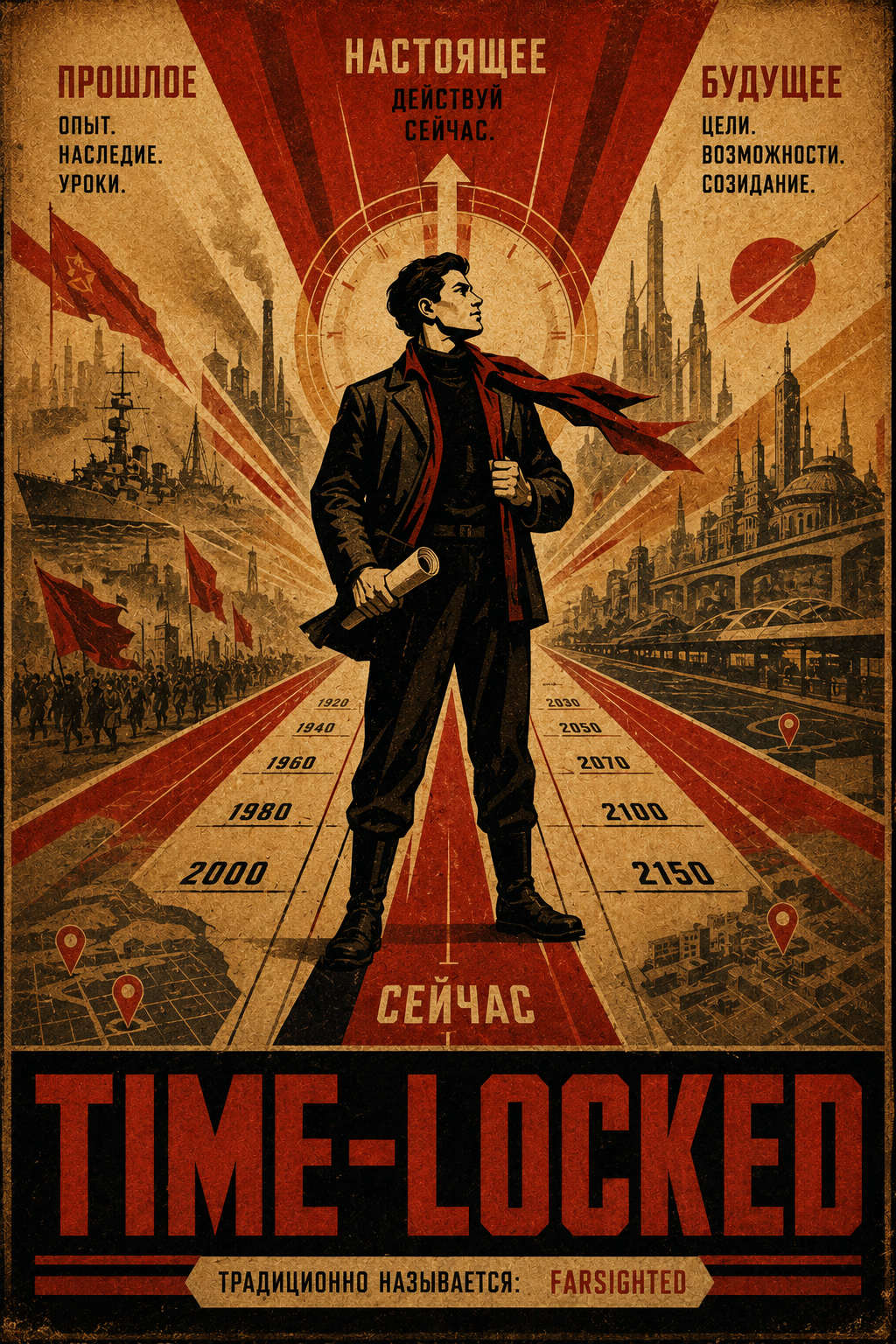







Position 1 — Base — Ti(N.) Intellect
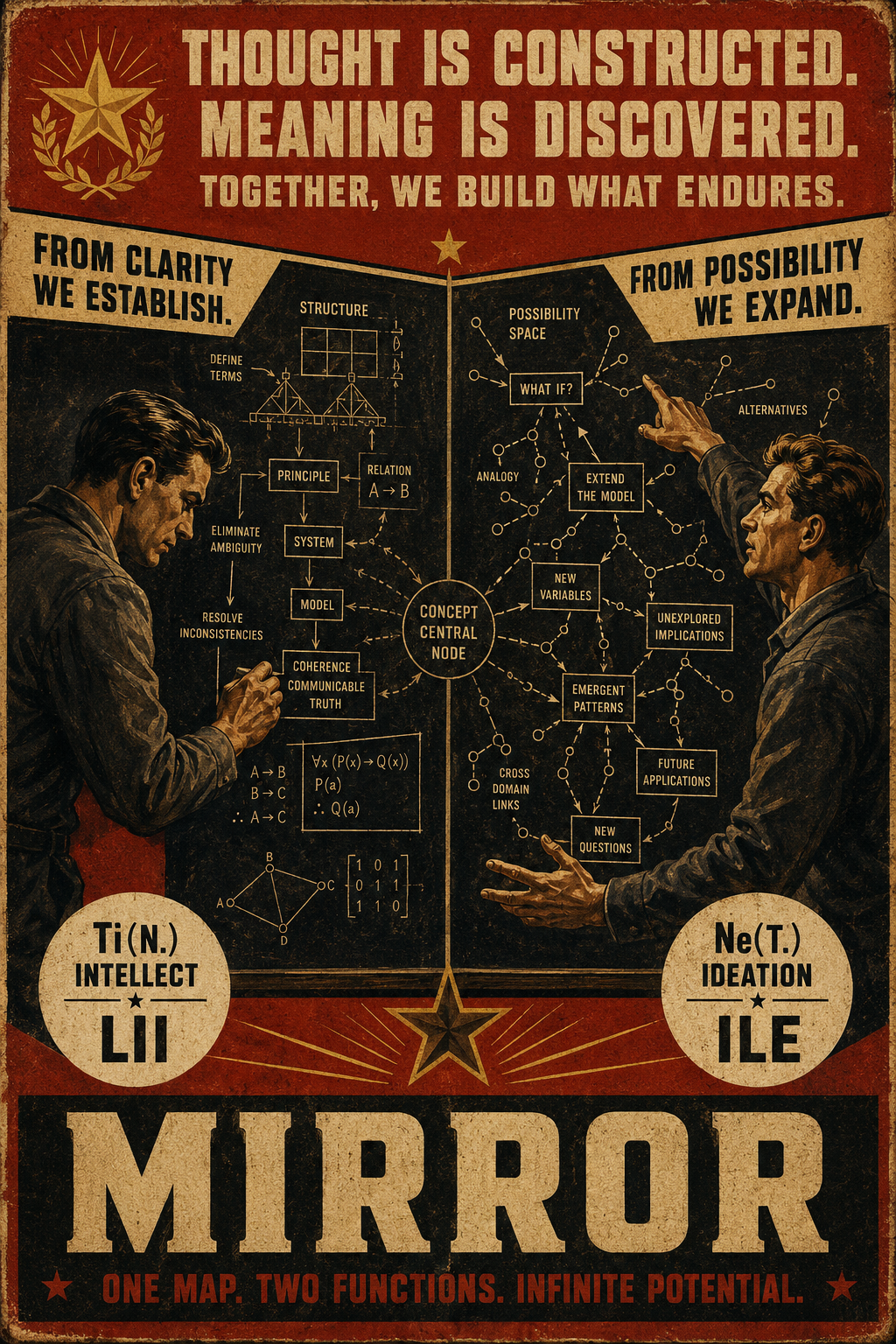
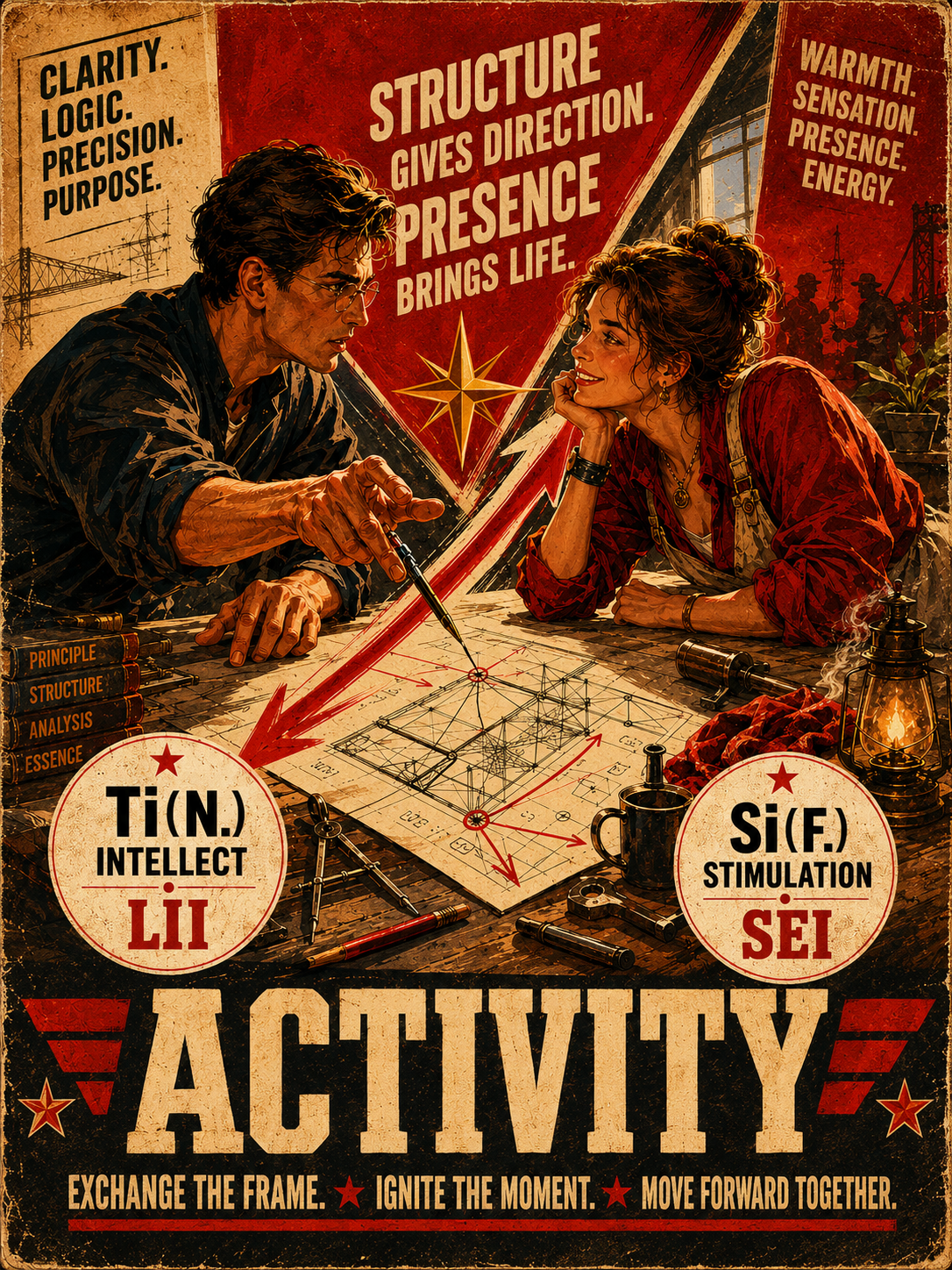
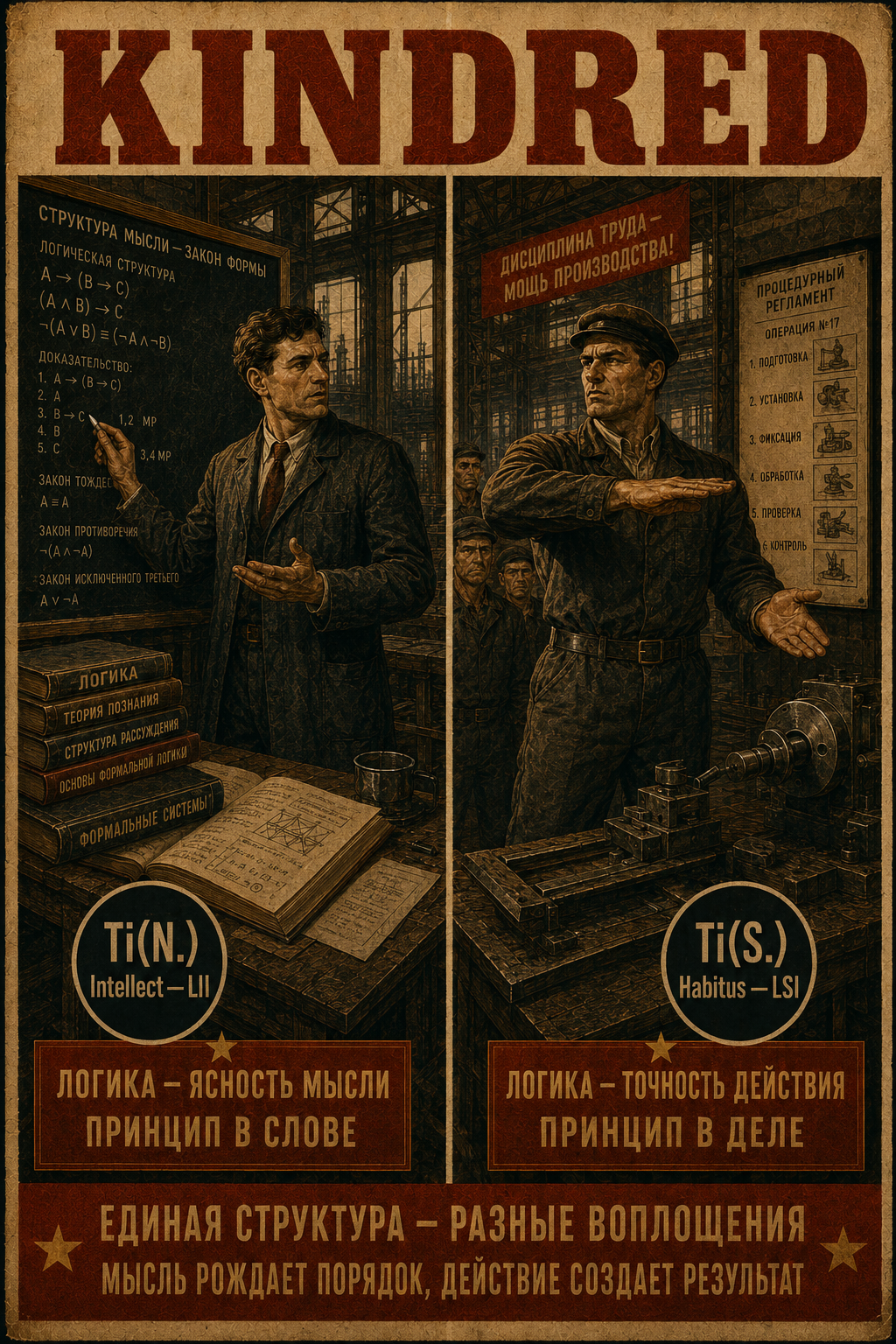
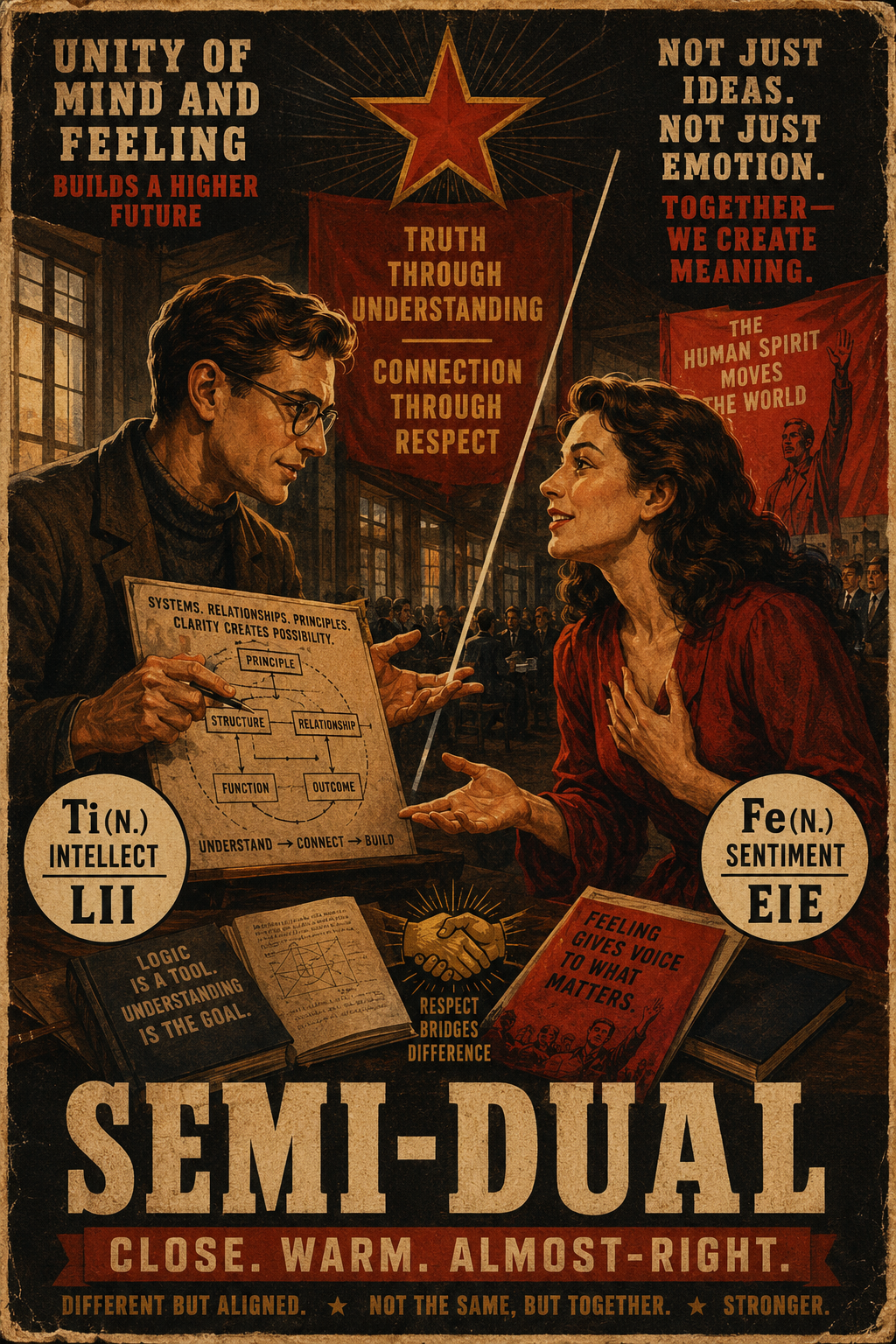
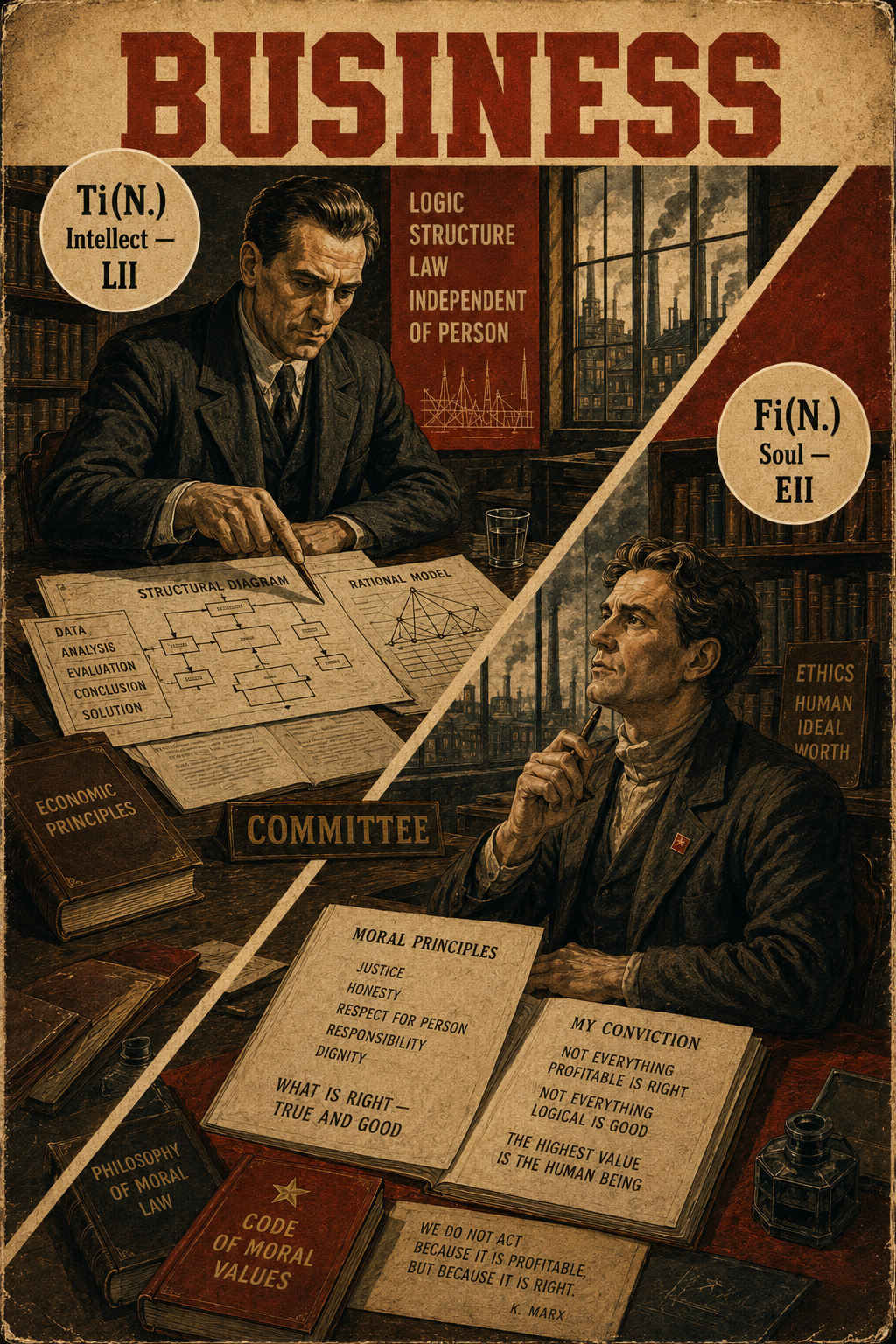
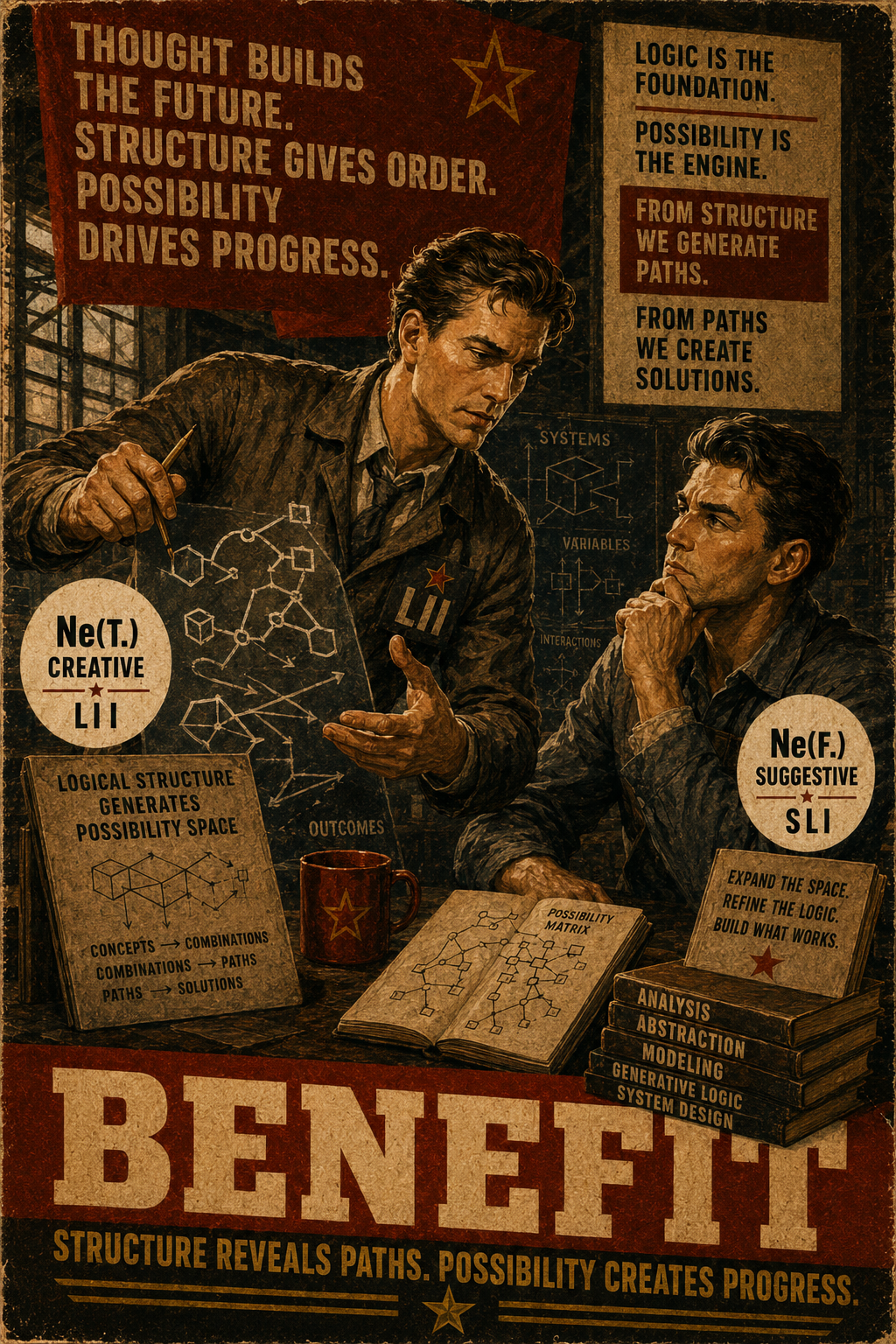
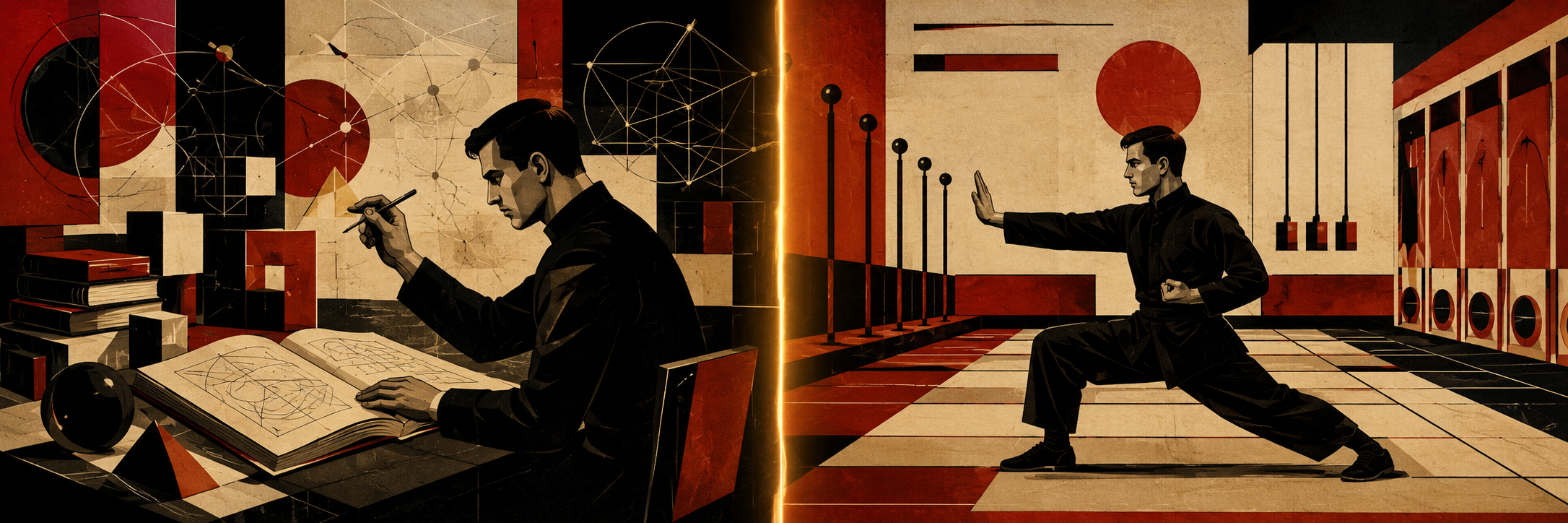
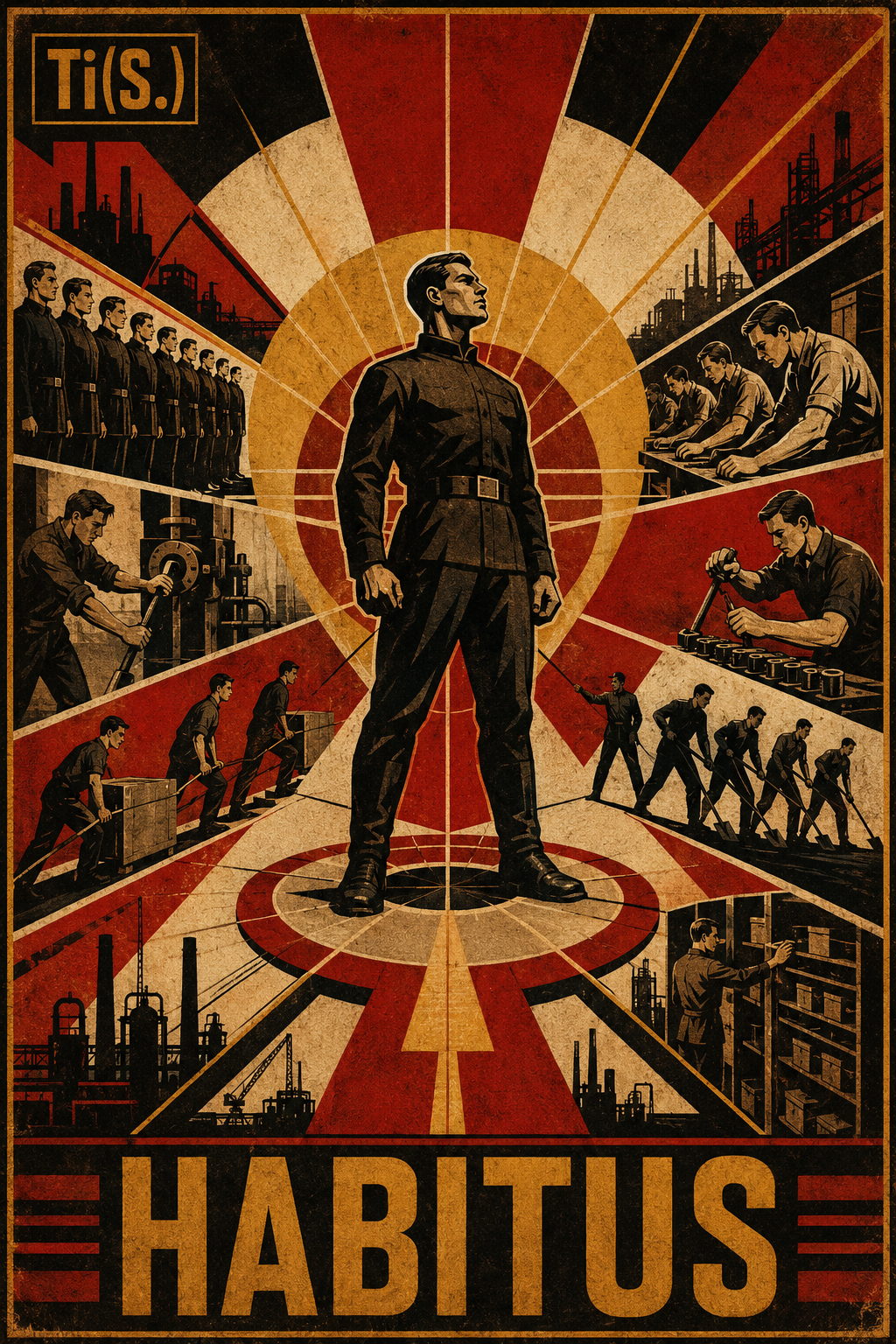
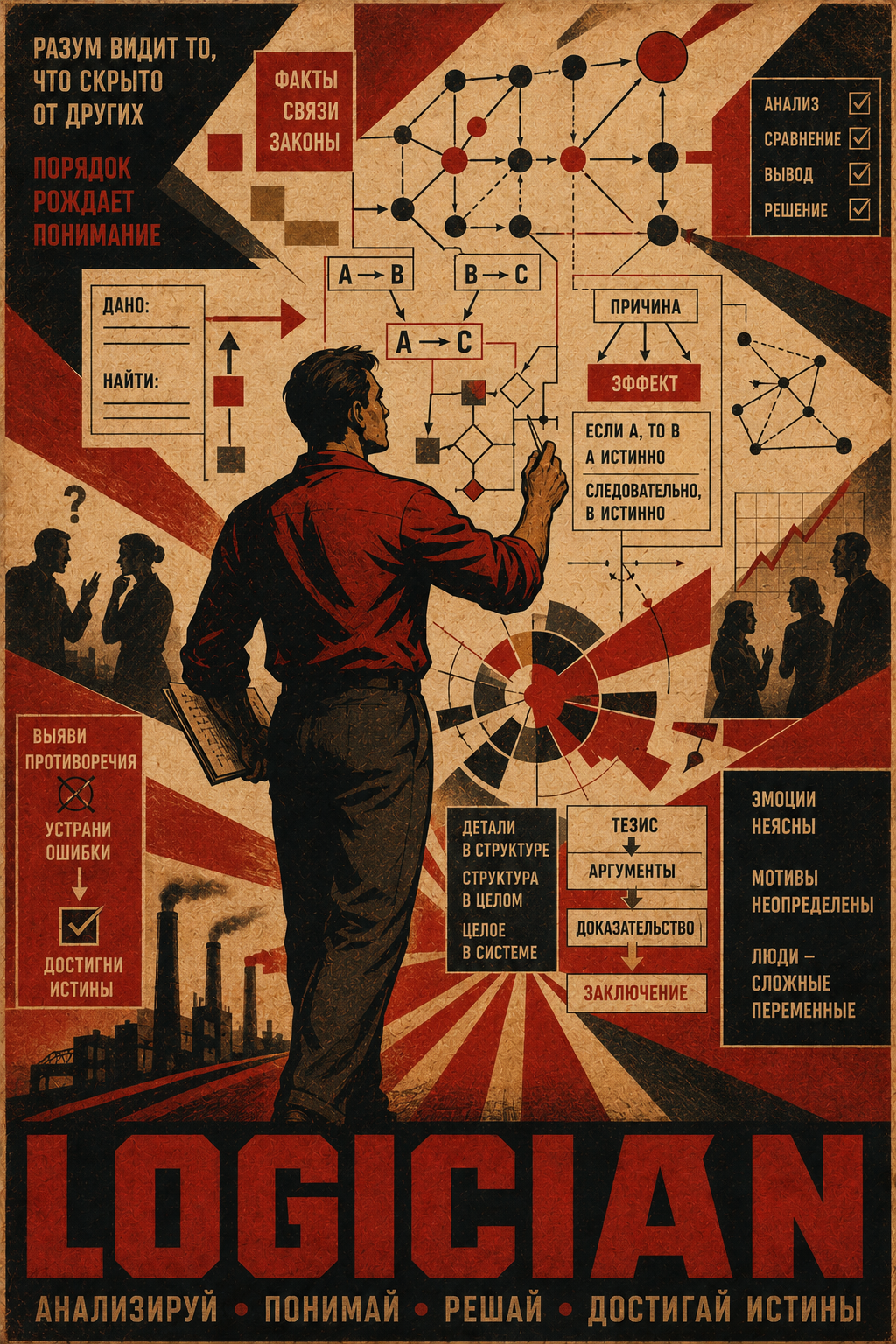
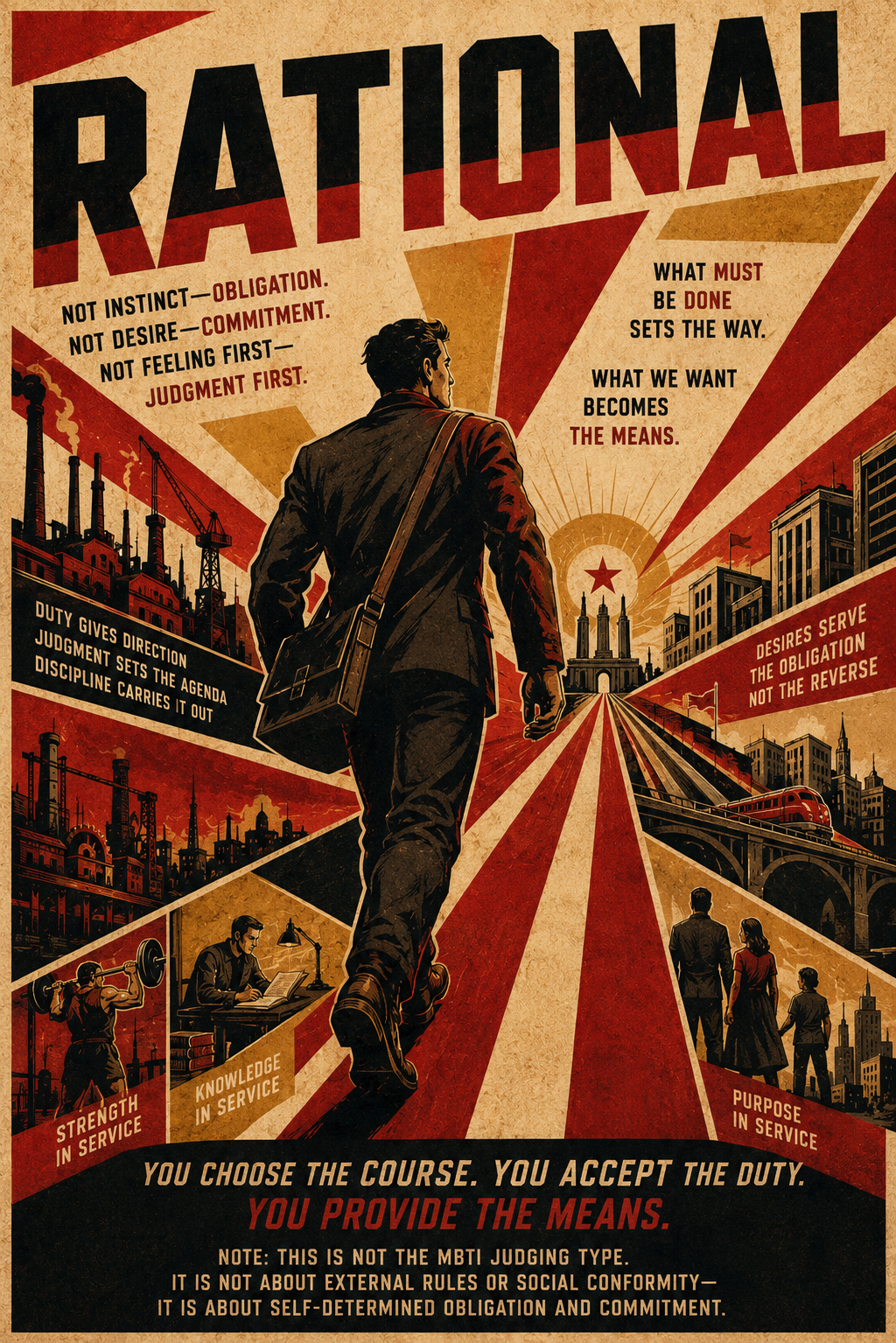
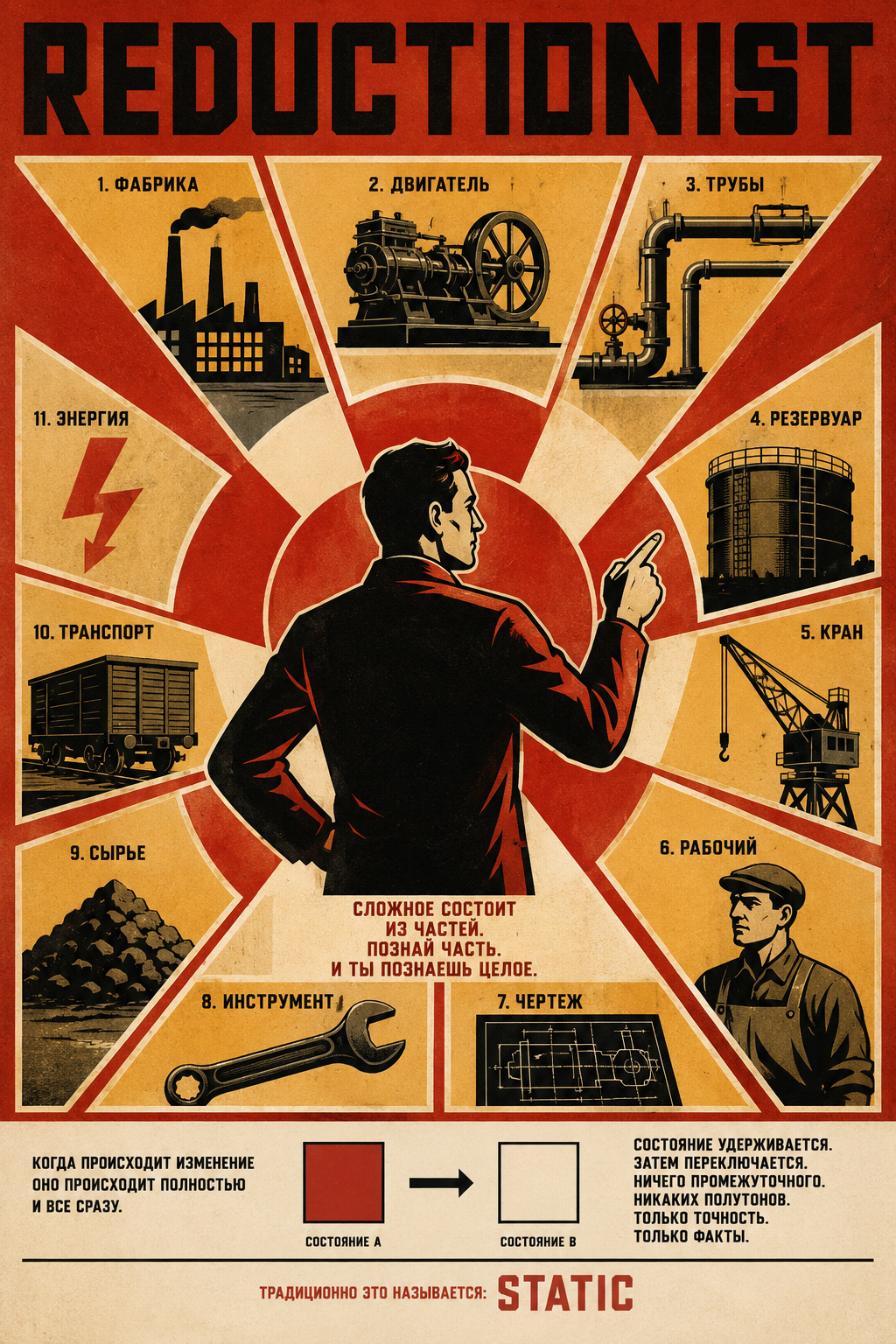
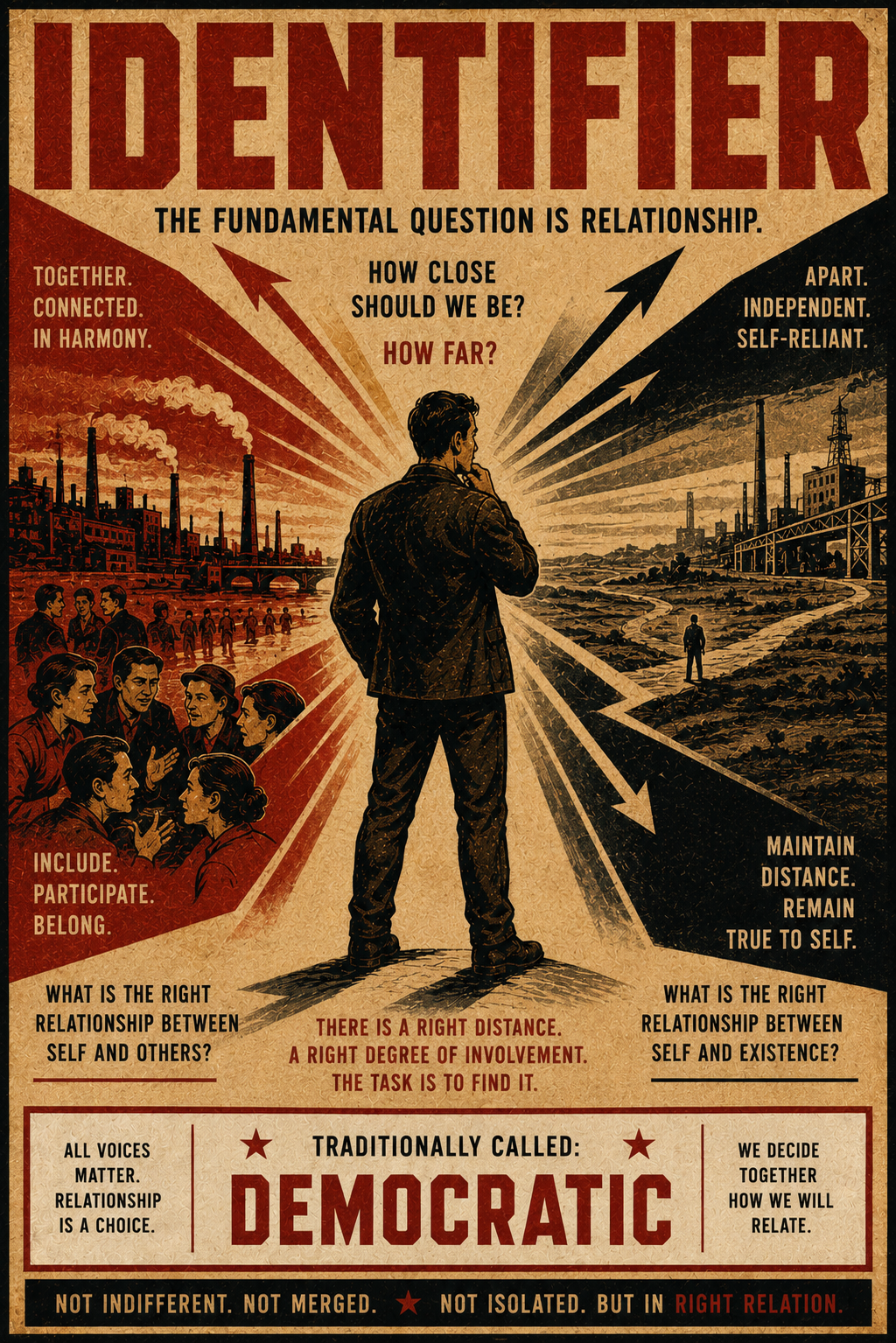
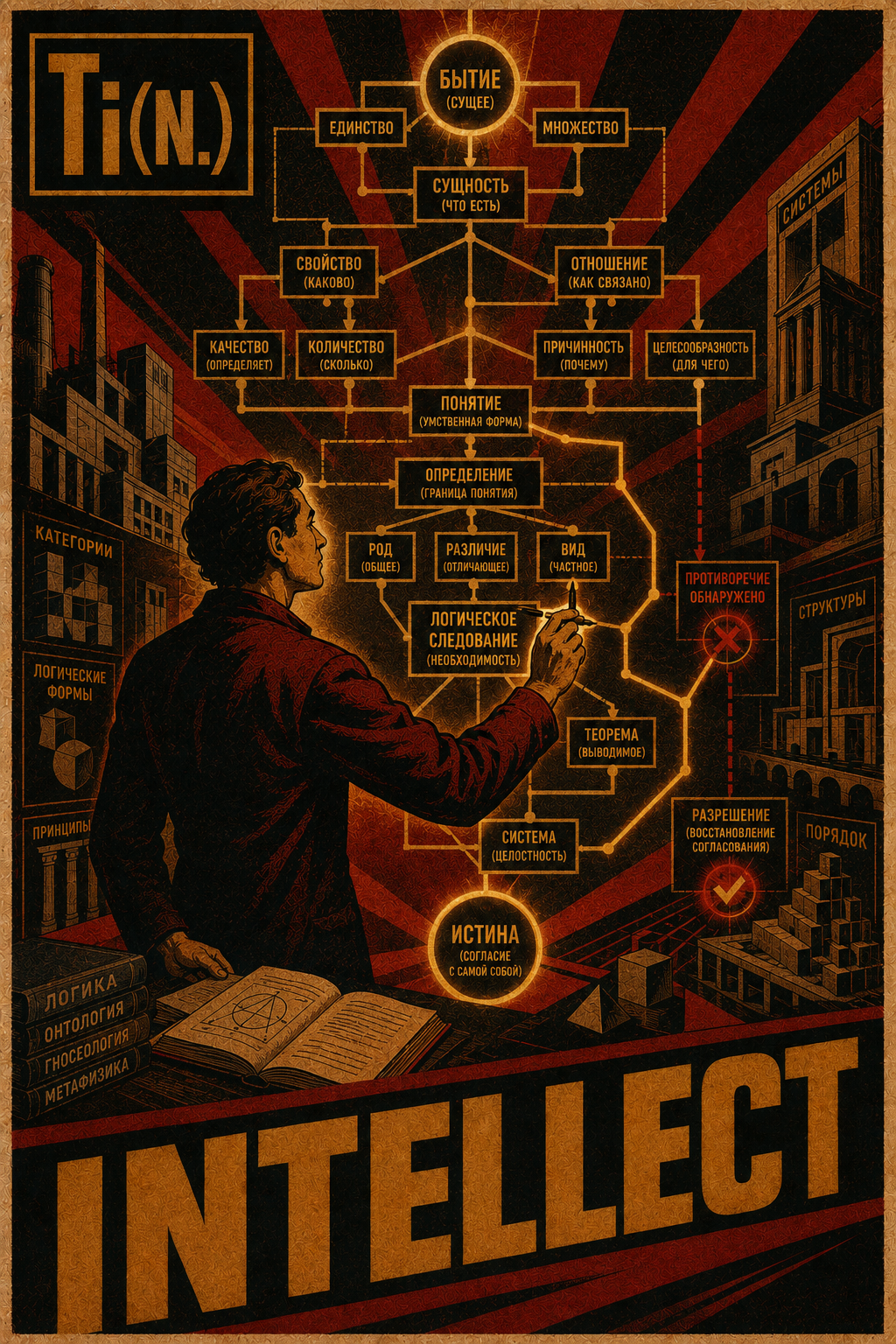
The LII's fundamental mode of engaging with reality is through the linguistic formatting and interpretative schema of the mind — framing and articulating concepts into coherent, communicable, internally consistent structures. Ti(N.) is not the embodied codified structural logic of Ti(S.) in the LSI but logic as pure conceptual architecture — the building and inhabiting of frameworks that make sense of the world at the highest level of abstraction. The LII does not merely apply logic to problems; they construct and refine the conceptual schemas through which problems become intelligible in the first place. Intellect is automatic and effortless — the LII cannot help organising experience into coherent frameworks and cannot help noticing where a framework is inconsistent, incomplete or built on a false premise.