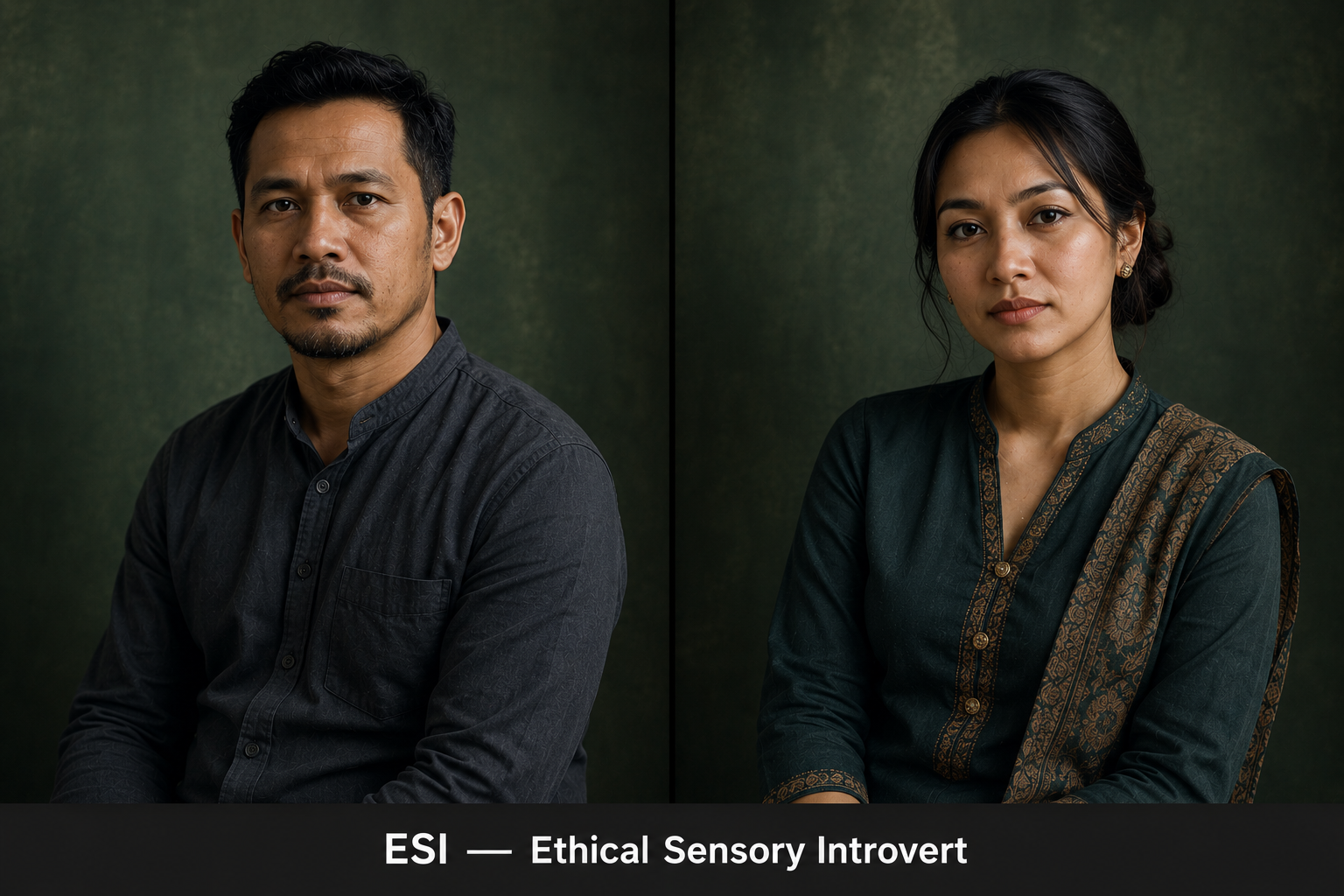

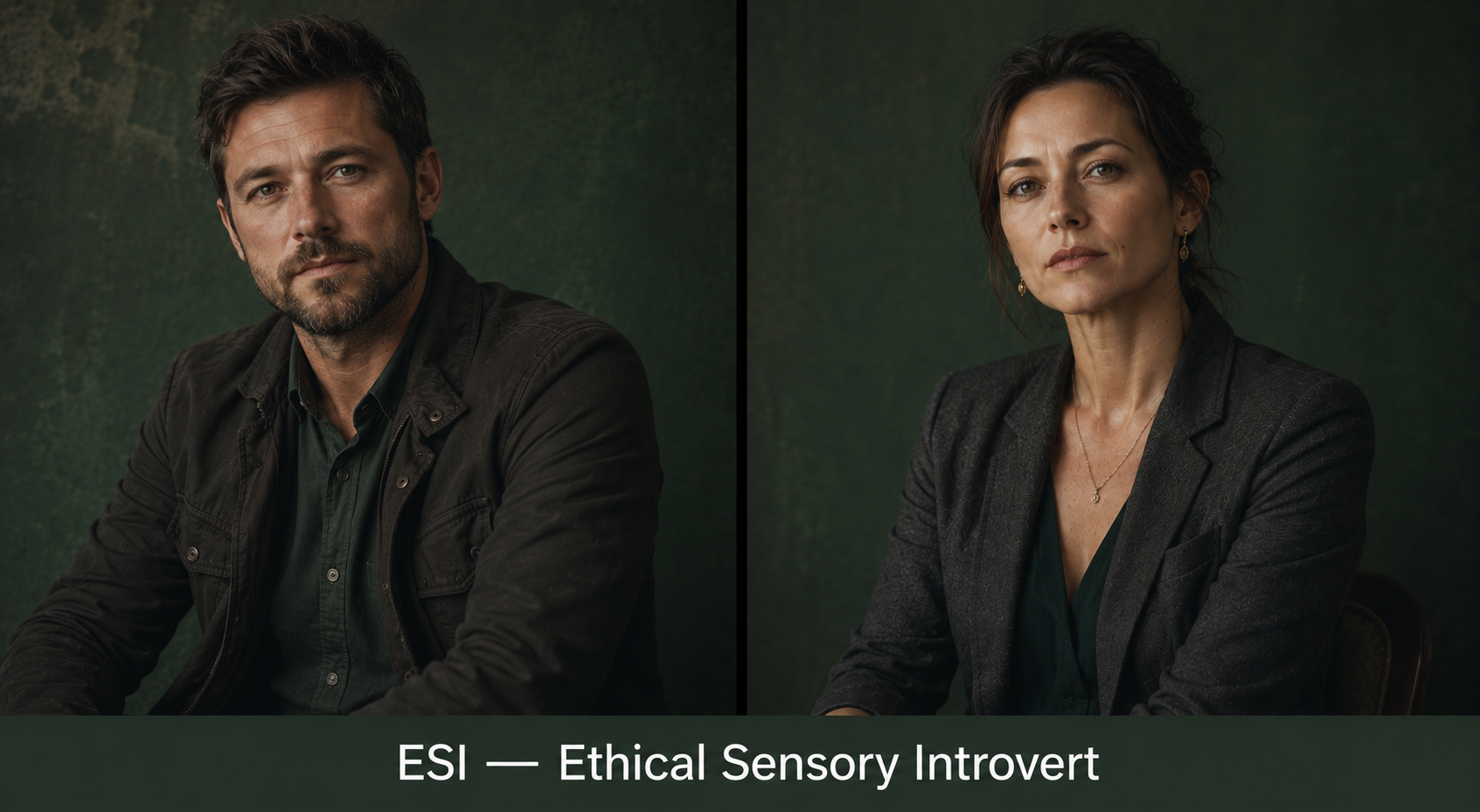
Lorenzo
Lorenzo is particular about who he allows close. This is not coldness — strangers find him warm, attentive, socially competent — but the distance between pleasant and trusted is long and he does not shorten it on request. He keeps commitments the way other people keep receipts: precisely, permanently. He helped someone move in 2019. He remembers. He knows, viscerally, who he can count on, and acts accordingly. When someone violates the trust he placed in them, the revision is absolute. He does not carry it as a wound. He carries it as information. He watches behaviour for signs of loyalty, falseness, courage, and evasion. His judgments are rarely loud at first, but once he has seen enough, his line becomes immovable; he would rather be disliked than betray what he knows is clean.
Amara
Amara has a settled sense of who she is that other people sometimes mistake for stubbornness. It is not stubbornness. She has simply already resolved the questions that others are still arguing about, at the level of feeling rather than principle. She has strong, specific aversions and does not apologise for them. The relationships she maintains are maintained actively; she calls, remembers, arrives. She does not arrive where she is not wanted. She can tell the difference. She carries her values close to the body, as instinctive as posture. When she protects someone, she does it concretely: standing beside them, correcting the record, refusing the convenient compromise that would make the room easier and the truth weaker.