· Blog
The Ethics/Logic Misunderstanding
Why Ethics and Logic are information domains, not kindness versus intelligence.
Read the postIndependent Socionics Guide
A clear route into the sixteen types, Model A, Model L, and the four quadra currents.
Start with the basics, explore the types, then go deeper into the structure underneath personality and relation.
What's New
Recent essays, tools, games, videos, and Model L additions in one place.
· Blog
Why Ethics and Logic are information domains, not kindness versus intelligence.
Read the post
· Blog
Type descriptions are useful, but they are not verdicts. Read them as structured hypotheses about information metabolism.
Read the post
· History
A source-led introduction to Jung, Kepinski, Aushra's early texts, Model A, intertype relations, later schools, and translation problems.
Read the history
· Model L
A new Model L section introduces Kimani White's block terminology: Leading, Trailing, Consultative, Delegative, Correlative, Supportive, Diverting, and Dovetailing.
Read the section
· Blog
A Model L view of all eight dual pairs: Ego strengths, Super-Id demand, and quadra values as a shared world.
Read the post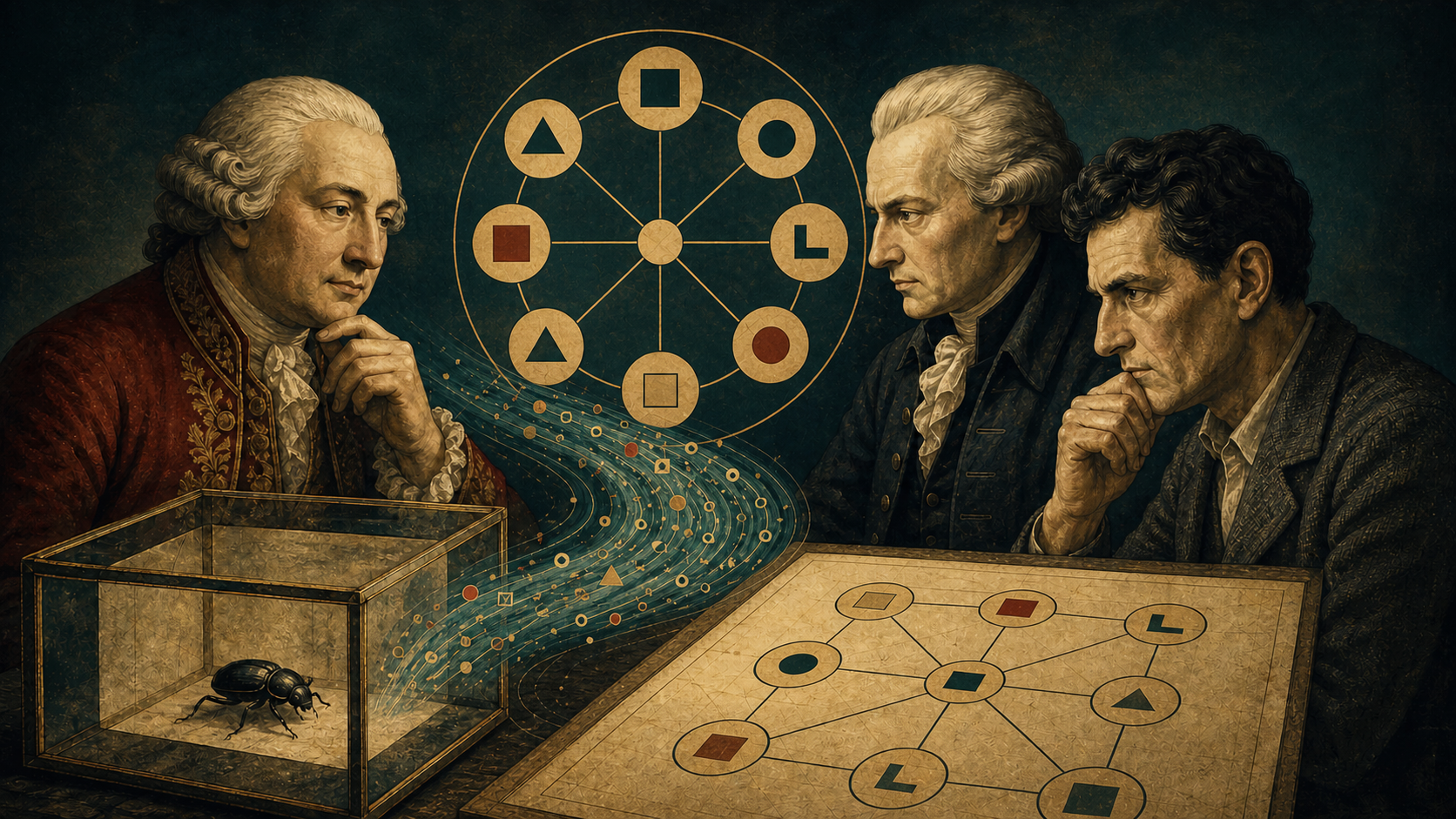
· Blog
Hume, Kant, Wittgenstein, and Socionics as a philosophy of what counts as information for a mind.
Read the post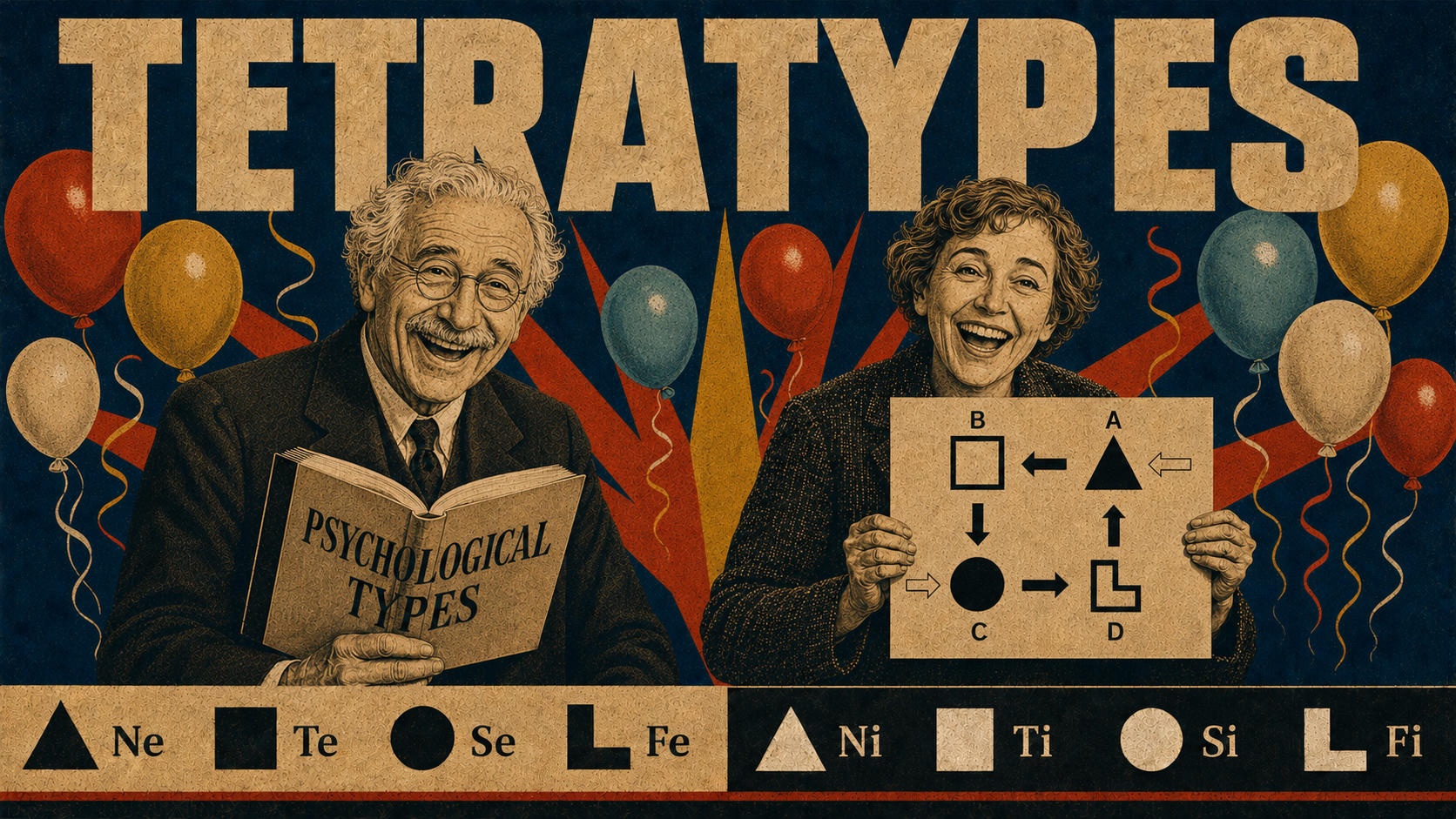
· Game
A timed phone-friendly game: identify the exact Model L element for the highlighted slot before the timer runs out.
Play the sprint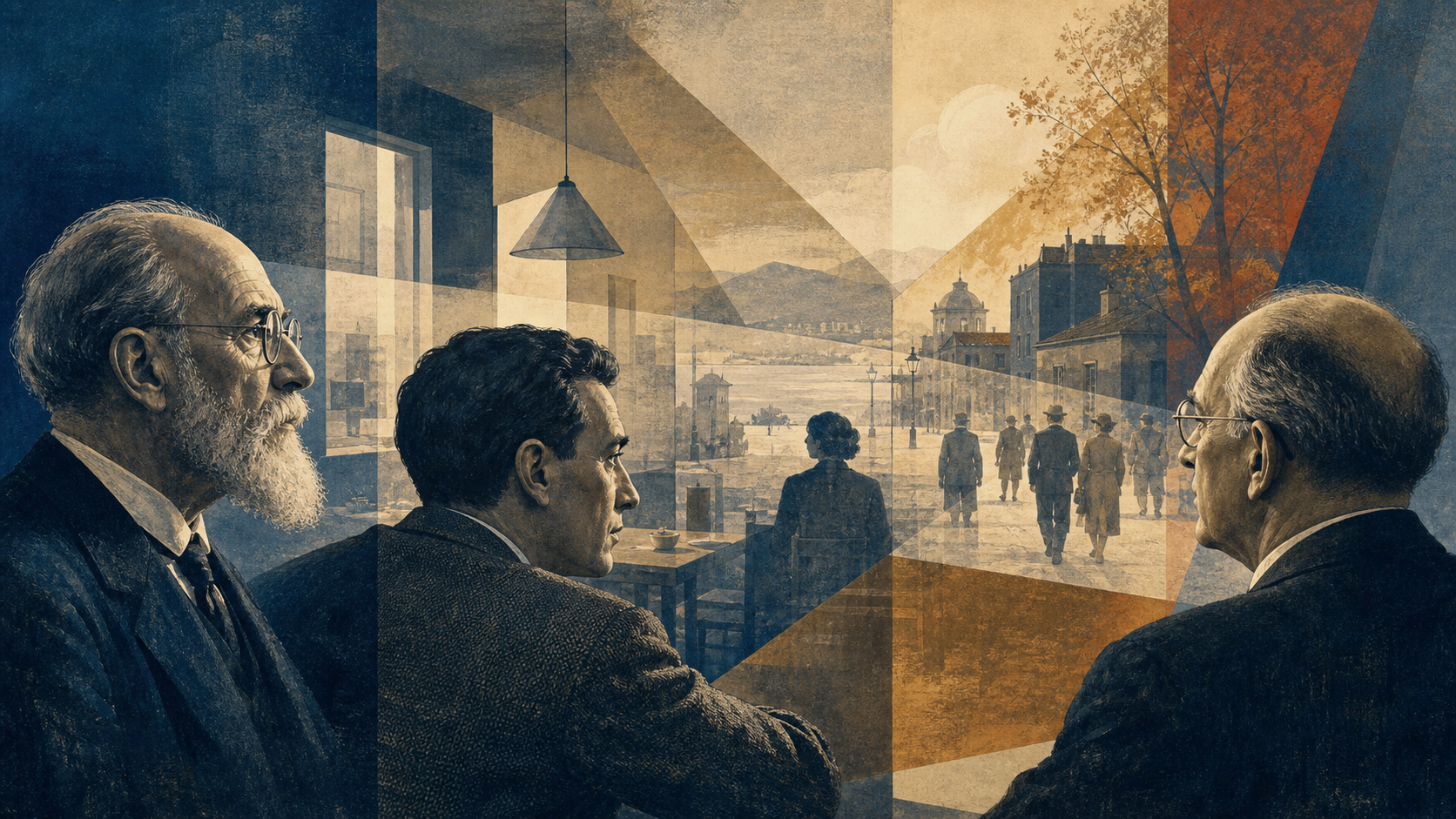
· Blog
A shared world, differently disclosed: Husserl, Merleau-Ponty, Schutz, and Socionics.
Read the post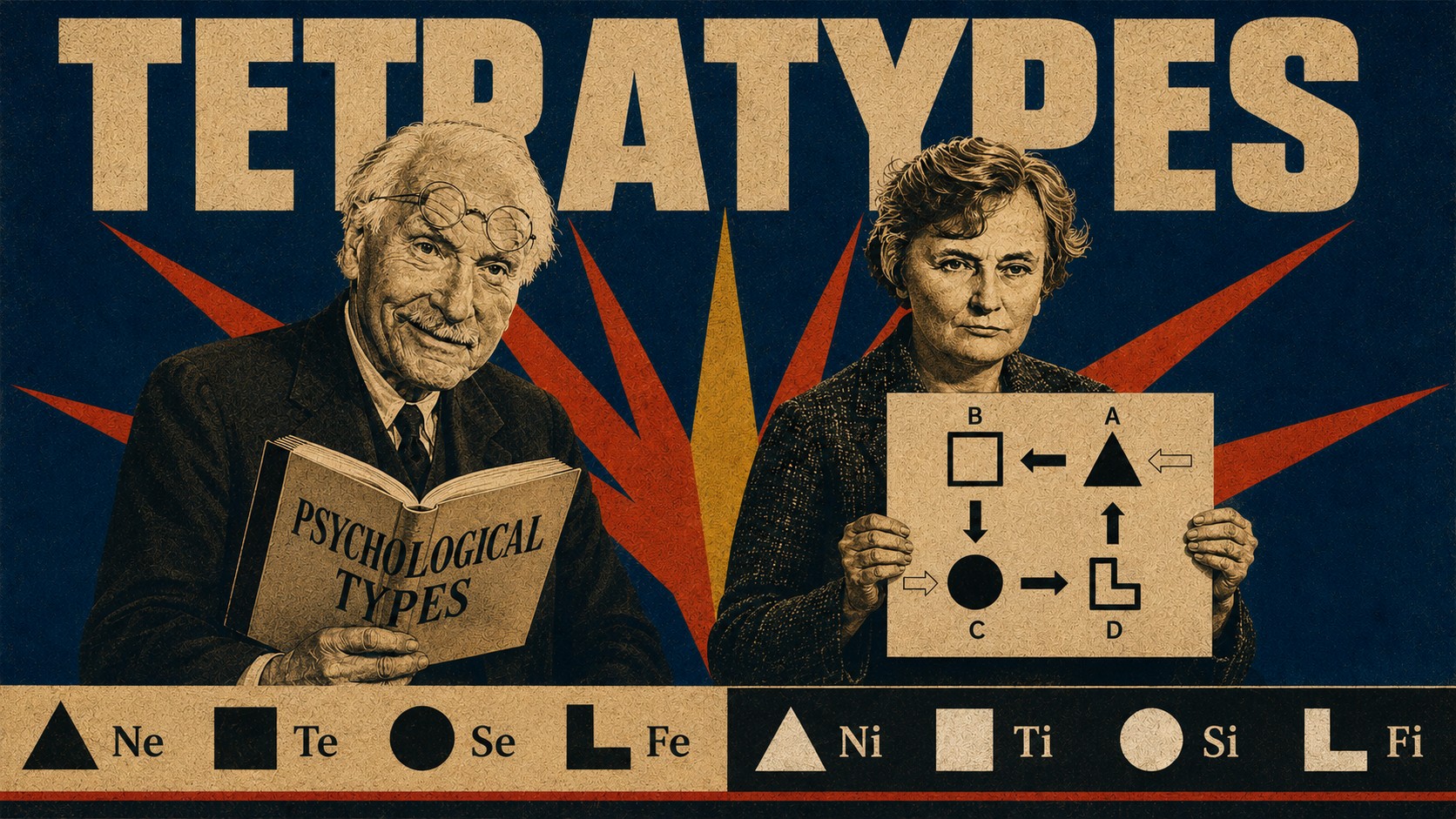
· Blog
A slow reading of the home image, the ILE mental ring, the four-stroke engine, and intertype relations.
Read the post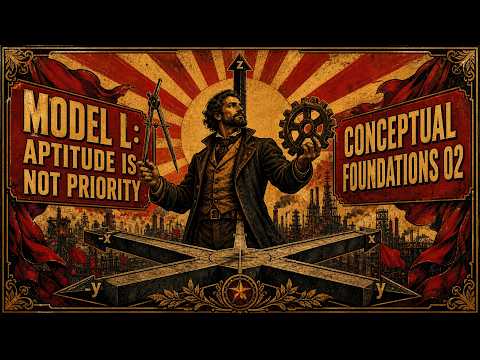
· Conceptual Foundations Video
The second Conceptual Foundations short: Model L separates dimensionality from priority, then shows how their difference creates demand.
Watch on YouTube
· Blog
Behaviour is evidence rather than verdict: the visible act has to be routed through the metabolism that produced it.
Read the post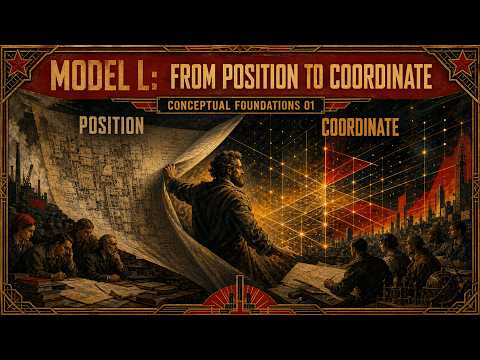
· Conceptual Foundations Video
The first Conceptual Foundations short: Model L shifts from reading functions as stack positions to reading them as coordinates in a generated field.
Watch on YouTube
· Blog
Why fluency is not devotion: strong functions can be low-priority, and valued functions may matter even when they are hard to use.
Read the post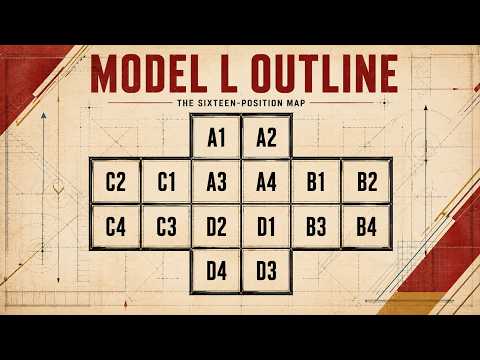
· Video
A dense structural map showing how Reinin dichotomies, Model A function dichotomies, and Model L tetrachotomies fit together.
Watch on YouTubeStart Here
TetraTypes is an independent guide to Socionics: the sixteen types, the four quadras, intertype relations, and the deeper structure behind Model A and Model L.
The aim is practical before it is philosophical. You can use the site to learn the basic type system, compare types, understand relationships, practise typing, and explore Model L when you are ready for a higher-resolution map.
Underneath that practical route is a larger idea: type is not just a list of traits. It is a pattern of information metabolism: what a person notices, values, resists, seeks, and translates into action.
Learning Route
Use the site as a guided route rather than a wall of theory. Start simple, then follow the structure as far as you want to go.
A plain-English entry point for the system: what Socionics is, what the sixteen types are, and how to begin without drowning in terminology.
Open the guideBrowse the type profiles, quadras, temperaments, clubs, and type patterns. This is the best place to connect the theory to people.
View the typesExplore how types interact: what tends to feel easy, strained, energising, confusing, supportive, or exposing.
Explore relationsThe classic Socionics structure: eight elements, eight positions, valued blocks, quadras, and the basic mechanics of type.
Learn Model AA source-led path through Jung, Kępiński, Aushra's early texts, Model A, later schools, Western reception, and translation problems.
Read the historyA transition route for readers who know the classical model and want to understand why Model L adds more resolution.
Cross the bridgeThe high-resolution map: monadic elements, capacities, radial positions, demand, and the generated coordinate field.
Open Model LQuadra Currents
The four quadras are not just social clubs. They are four ways information becomes meaning, significance, purpose, and value.
Experience becomes ideas, possibility, humour, shared curiosity, and conceptual play.
Inner narrative becomes codes, drama, loyalty, mobilisation, and public force.
Strategic perception becomes decisive action, leverage, consequence, and personal aim.
Practical experience becomes trust, craft, care, growth, and sustainable usefulness.