
1. Capture
Record five observations
Write what the person did or said, with enough context to recognise it later. Avoid interpretation at this stage.
Your output: five concrete notes.
Typing Method
A typing is a hypothesis, not a verdict.
Socionics typing is the attempt to infer a person's stable information metabolism from evidence. The method below is informed by WSS practice, but rewritten here as a TetraTypes guide to careful, corrigible interpretation.
Start Here
Begin with evidence, not a type code. In ten minutes, make a first hypothesis that can still be corrected.
1. Capture
Write what the person did or said, with enough context to recognise it later. Avoid interpretation at this stage.
Your output: five concrete notes.
2. Compare
Choose the two arrangements that best fit the first pattern. A lone plausible answer is not yet a tested answer.
Your output: two live hypotheses.
3. Test
Say what recurring evidence would make you weaken or abandon the leading hypothesis.
Your output: one falsification question.
Use the worksheet for notes, the worked example to see the method applied, the comparison tool for rivals, or the companion for a reflective conversation.
Open typing worksheetRead worked exampleCompare two typesOpen Typing CompanionPrinciple
Type is a provisional account of an enduring pattern, not a verdict gathered from one striking moment.

Start with what a type actually is. Aušra Augustinavičiūtė, who founded socionics, did not define type by behaviour. She defined it by information metabolism, a term she took from the psychiatrist Antoni Kępiński and applied to personality: the manner in which a psyche takes in, processes, and produces information. A type, in her framework, is a type of information metabolism. That is the structure we are inferring. What kinds of information a person naturally orients toward, what they treat as obvious, what they value, what they strain to produce, and what they tend to bypass. A type is not a personality costume, a social role, a mood, a profession, or a favourite aesthetic. Those are surfaces. Type is the structure beneath them.
That structure does not sit on the surface, and the surface is built to be read. Carl Jung, whose work on psychological types socionics inherits, gave us the concept that explains why. He called it the persona, "a kind of mask," designed to make a definite impression on others while concealing the true nature of the individual. The persona is adaptive and legible. It is also, for those reasons, the most misleading evidence available to a typer. Jung warned of the danger of identifying with it: the professor who becomes his textbook, the tenor who becomes his voice. A professional manner, a cultivated aesthetic, a register adopted with strangers: this is persona-layer data. Typing the mask as the structure is the most common error in typing. Pattern across varied situations, where the mask keeps shifting and something keeps remaining constant: that is where type becomes visible.
How, then, do we test what we cannot see directly? Here the discipline comes from Karl Popper. Popper held that "the criterion of the scientific status of a theory is its falsifiability." A serious hypothesis specifies in advance what would count against it. Confirmation, by contrast, is cheap: a determined observer finds support for almost any claim. Popper's standard is exacting: real support comes only from observations made as genuine attempts at refutation, and the criteria of refutation must be laid down beforehand.
A typing is a hypothesis. It is not a verdict.
So the question to ask is not: what evidence supports this type? The question is: what evidence would refute it? Which patterns would this arrangement not produce? What would the behaviour look like if the nearest alternative were correct instead? A typing that has never been tested against its nearest rivals has not been corroborated. It has only been asserted. Mirror types share quadra values. Kindred types share the leading element. Look-alikes share presentation. Quasi-identicals share register while diverging at the centre. A good typing should survive direct comparison with all of them.
Popper named the opposite failure precisely. When a theory is found wanting, its defenders may rescue it by adding ad hoc assumptions, what he called a "conventionalist stratagem," saving it from refutation only by lowering its standing. The socionics equivalents are familiar: this person is unusually developed, this context suppressed the expected function, this behaviour is compensatory. Each may occasionally be true. When they accumulate, the typing is no longer meeting the evidence. It is explaining it away. A robust typing explains the pattern with the fewest such adjustments.
A corroborated typing is not a proven one. Proof is not on offer. What is on offer is a provisional judgement that has survived genuine attempts to overturn it, and that remains answerable to new evidence when it arrives.
The goal is not certainty at speed. The goal is a hypothesis that keeps answering to evidence, and that changes when the evidence demands it.
Jung: C. G. Jung, Two Essays on Analytical Psychology, Collected Works Vol. 7, paras. 305-307, on persona and identification with persona.
Popper: Karl R. Popper, Conjectures and Refutations: The Growth of Scientific Knowledge, opening essay, "Science: Conjectures and Refutations," on falsifiability and the conventionalist stratagem.
Augustinavičiūtė and Kępiński: Augustinavičiūtė's foundational use of information metabolism appears in On the Dual Nature of Man and The Socion; the term originates with Antoni Kępiński.
Checklist
Use this as the working order. Do not jump to the type code before the evidence has earned it.
Step One

Watch what the person repeatedly attends to, corrects, avoids, values, and assumes is obvious.
Your output: five observations with context.
Step Two
Write down concrete clues before naming a type. Preserve the evidence before interpretation starts tidying it up.
Your output: a dated evidence list, using the person's words where possible.
Step Three
Sort clues into possible information elements, function positions, quadra values, and small-group signals.
Your output: tentative labels beside each clue, with uncertainties left visible.
Step Four

Ask which full Model A structure explains the pattern with the fewest special exceptions.
Your output: a leading hypothesis and the evidence it does not explain well.
Step Five

Test the nearest alternatives directly. A good typing should beat its closest competitors, not merely sound plausible alone.
Your output: two rival hypotheses and one discriminating question for each.
Step Six
Keep the typing open to correction. New evidence should be allowed to weaken, sharpen, or overturn the hypothesis.
Your output: the next evidence you need and what would change your mind.
For an actual typing attempt, use the worksheet to record evidence before settling on a type. It is designed to keep the process slow, comparative, and revisable.
Open typing worksheet Read worked example Compare two typesMini-case
| Stage | What happens |
|---|---|
| Raw notes | In three unrelated conversations, a person first asks what else could happen, then returns to the practical consequences only after another person raises them. |
| Two rivals | Hypothesis A treats open alternatives as the centre of attention. Hypothesis B treats them as a useful tool in service of a different central concern. |
| Pressure test | Look for situations where a decision, disagreement, or constraint makes the person reveal what they protect first. Do not infer the answer from one fluent conversation. |
| Provisional conclusion | Keep both hypotheses alive until the wider pattern discriminates between them. The original clue begins the inquiry; it does not finish it. |

Custom GPT
Use the companion when you want a reflective typing conversation rather than a quick test result. It asks about evidence, relationships, likely confusions, and Model A or Model L hypotheses while keeping the conclusion provisional.
Open in ChatGPTEvidence
The wider the evidence base, the less likely you are to mistake performance, context, or stress for type.
Direct
Live interaction gives access to pacing, emphasis, correction, resistance, and what the person returns to without prompting.
Recorded
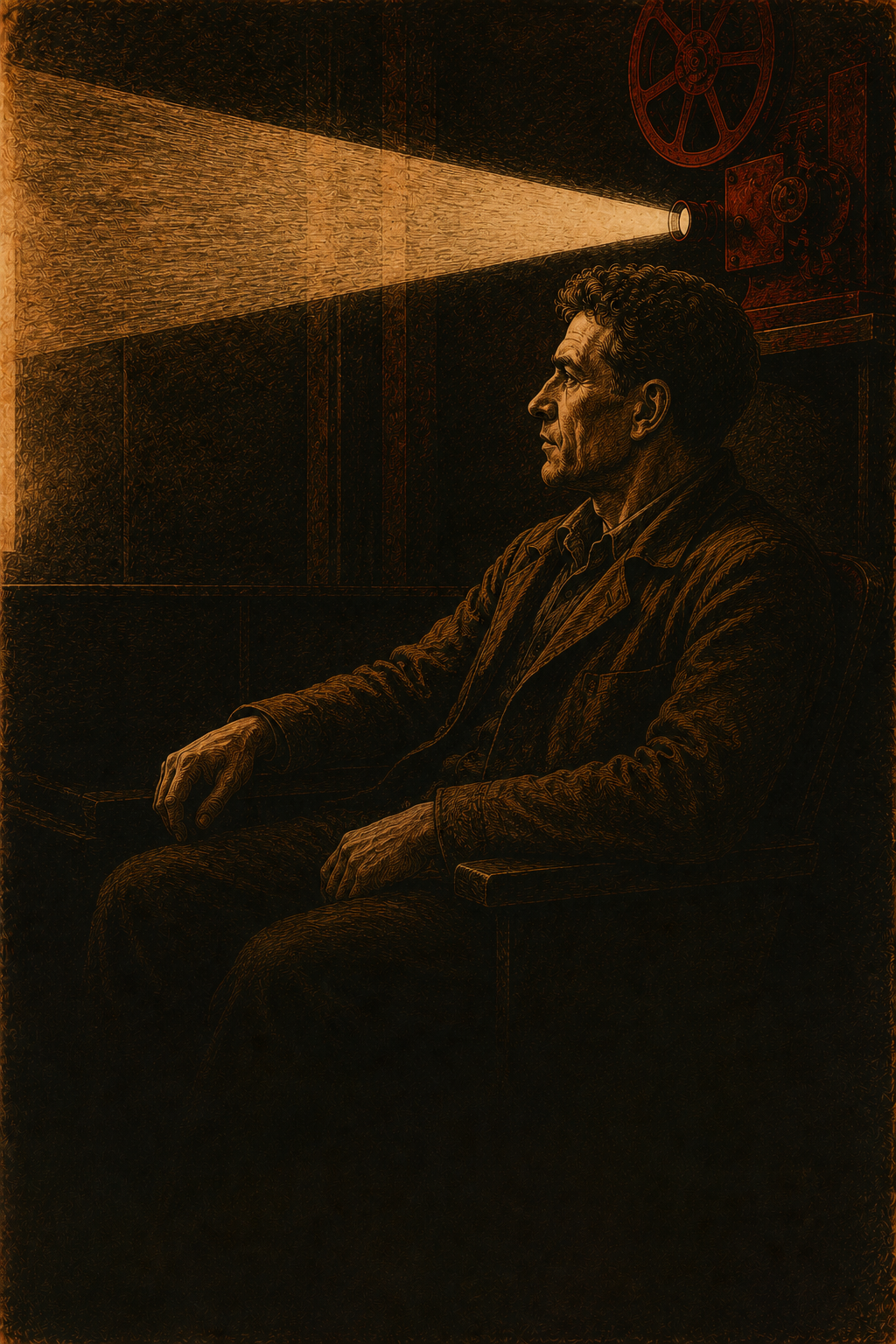
Long-form video is useful because attention has time to settle. Short clips are vivid, but often too compressed.
Textual
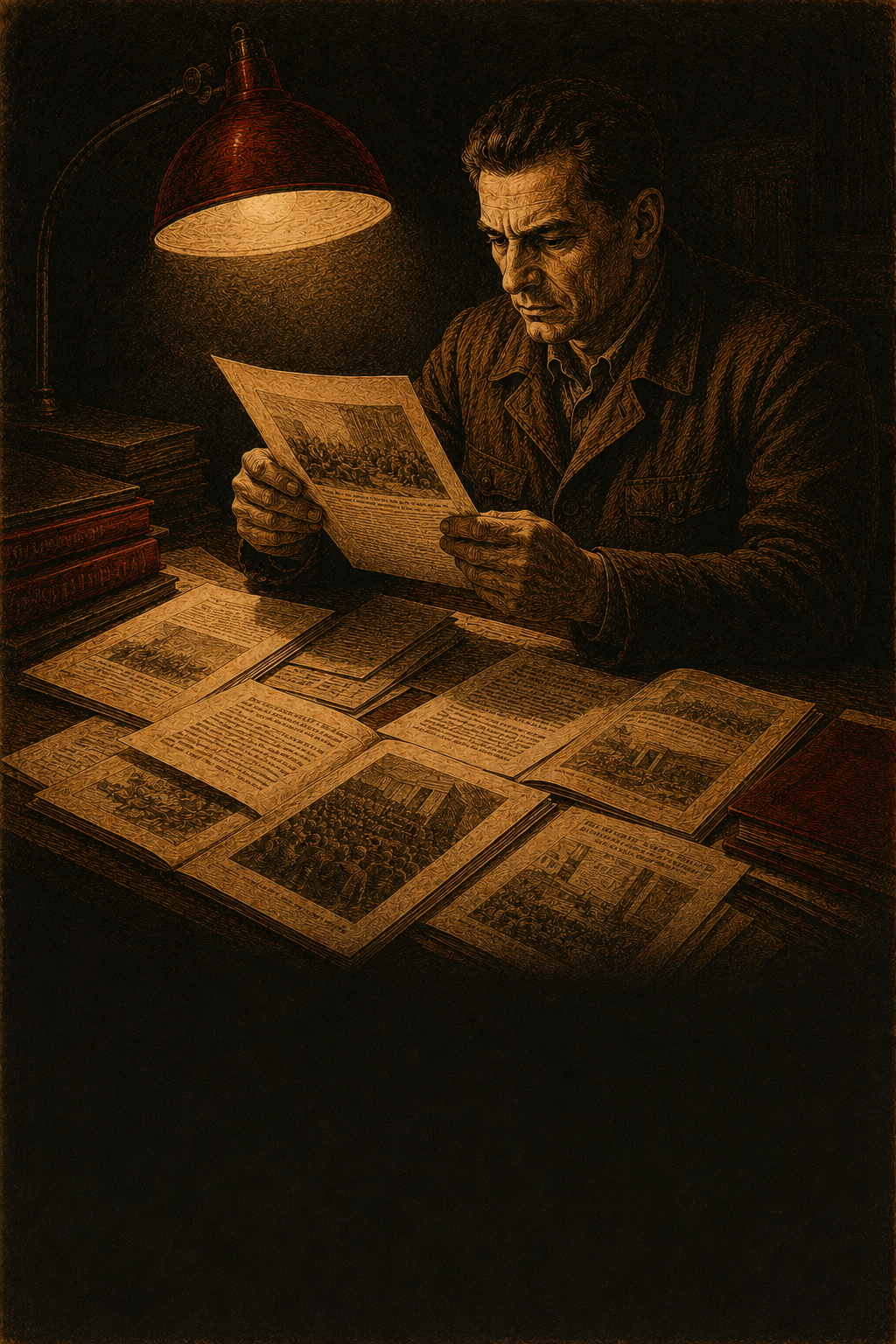
Written material can reveal preferred abstractions and judgements, but public writing is edited and may be highly strategic.
Longitudinal
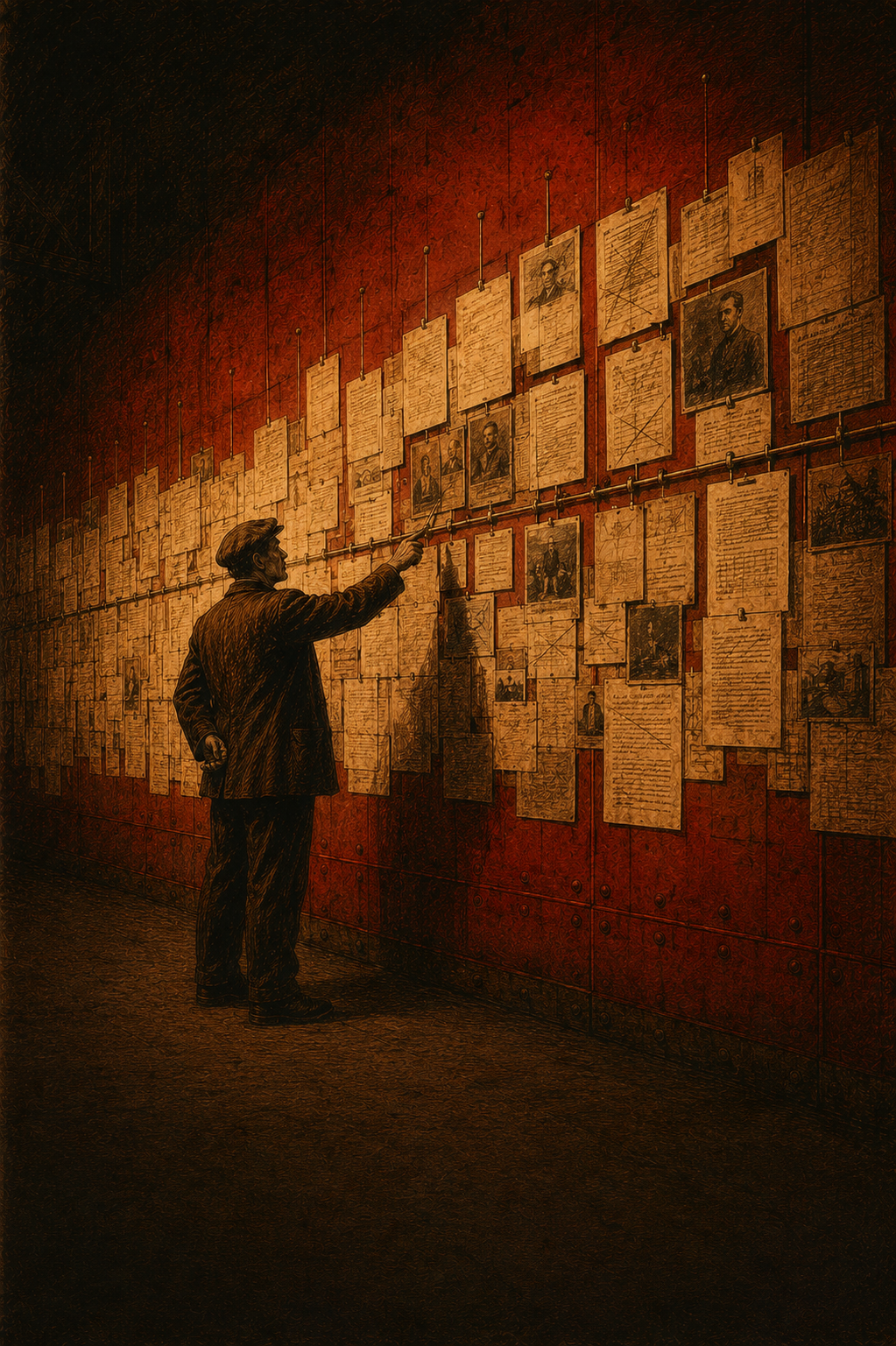
Life pattern matters: recurring choices, repeated conflicts, development over time, and the costs a person keeps accepting.
Observe And Record
The first discipline is to notice before explaining.

Observation means gathering what the person actually does: what they emphasise, what they avoid, what they correct in others, what they become animated by, what they find obvious, and what kinds of pressure make them defensive or disorganised.
Recording matters because memory is already interpretation. Once you suspect a type, you will start seeing confirming evidence everywhere. Notes slow that process down. They let you compare the first impression with later evidence rather than quietly rewriting the past.
A useful note is modest and concrete: "returns to practical efficiency when asked abstract questions"; "describes relationships through duties and boundaries"; "becomes more precise when challenged"; "uses emotional tone to organise the room." These are not types. They are clues.
Is this behaviour repeated? Is it relaxed or performed? Is the person choosing it freely, or responding to role pressure? Would an ordinary person in the same situation behave similarly? What would count against my current typing?
Classify And Evaluate
Typing becomes serious only when the observations are placed into Model A and tested for fit.
Elements
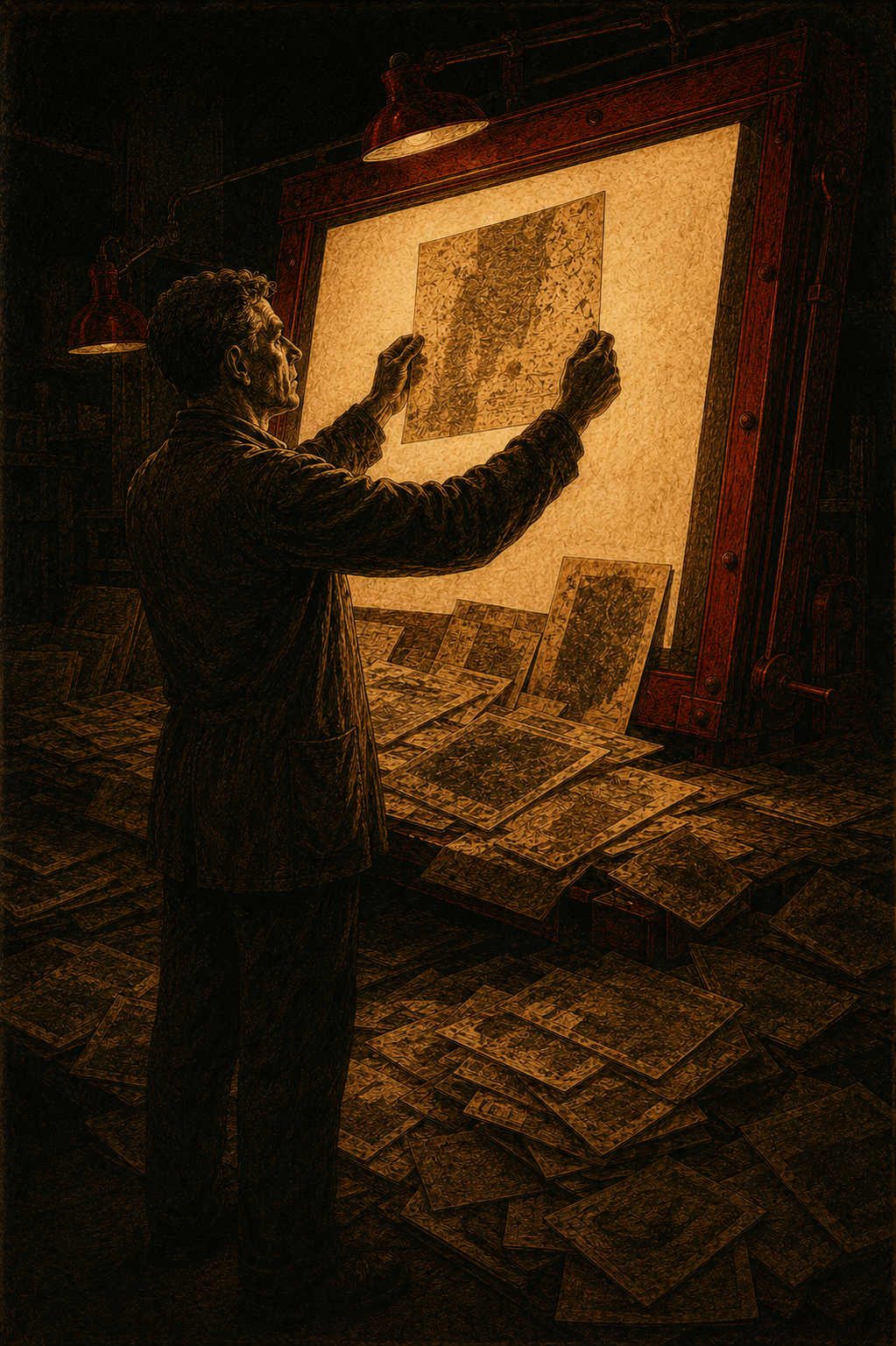
Look for repeated orientation to logic, ethics, sensing, intuition, and their more specific aspects. Avoid treating vocabulary alone as proof.
Functions

The same element looks different when it is Leading, Creative, Role, Vulnerable, Suggestive, Mobilising, Ignoring, or Demonstrative.
Small Groups
Quadra, club, temperament, tournament, and other dichotomies help narrow the field, but none should override direct functional evidence.
Rivals
A strong typing should survive comparison with likely confusions: Mirror, Look-alike, Quasi-identical, and types sharing club or quadra.
Contexts
The method changes depending on whether you have abundant public data or a living person in front of you.

Formal typing is suited to public figures, recorded interviews, biographies, and large bodies of text. Its advantage is volume: you can compare sources and look for longitudinal patterns. Its weakness is distance: you may be dealing with performance, editing, reputation, and second-hand interpretation.
Informal typing is suited to people you actually know. Its advantage is ordinary context: you can see how the person behaves when relaxed, tired, interested, bored, challenged, and trusted. Its weakness is bias: closeness can make you overvalue personal chemistry or isolated memories.
In both cases, the best evidence is not the most dramatic evidence. It is the most representative evidence.
Safeguards
A typing that cannot be challenged is not yet useful.
Confusion
If two functions seem swapped, test nearby arrangements. A person can resemble a neighbour while being organised by a different centre.
Strength

People often use strong unvalued functions competently while refusing to make them central. Do not confuse capacity with orientation.
Pressure

A performed competence under pressure can look confident from outside. Ask whether the person inhabits it with ease or strains toward it.
Revision

Name the evidence that would weaken the typing. If nothing could, the type has become a story rather than a hypothesis.
Likely Confusions
These are not shortcuts to a final answer. They are pressure tests for common near-misses.
Mirror
If two types share quadra and look mutually intelligible, check whether the apparent Leading function may actually be Creative. Mirror confusion often comes from mistaking a valued support mode for the centre of the type.
Compare Mirror relationsLook-alike
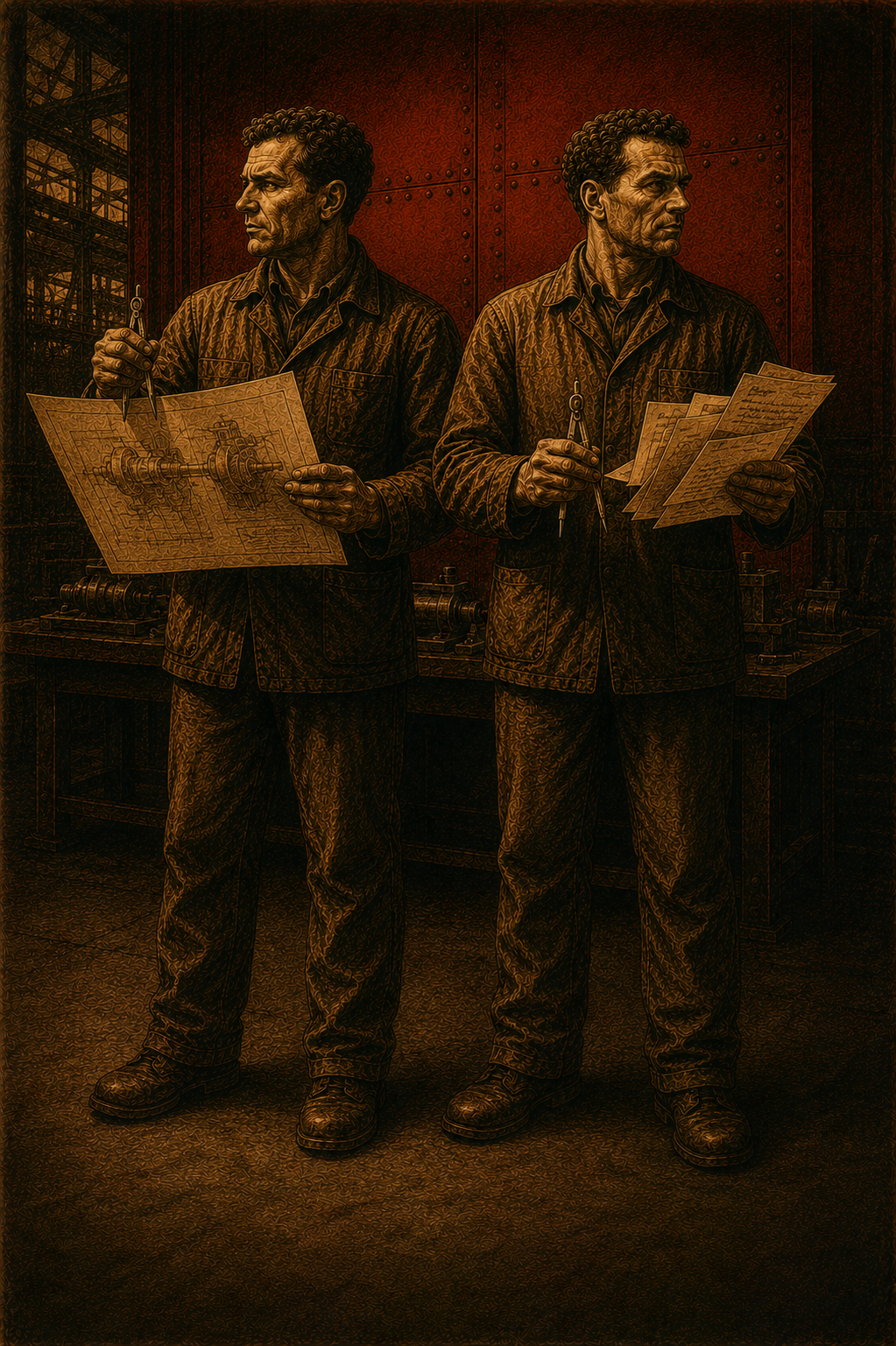
If the social style or competence profile looks similar but the values feel displaced, test Look-alike. Ask whether the person is using a familiar strength for a different quadra purpose.
Compare Look-alike relationsQuasi-identity
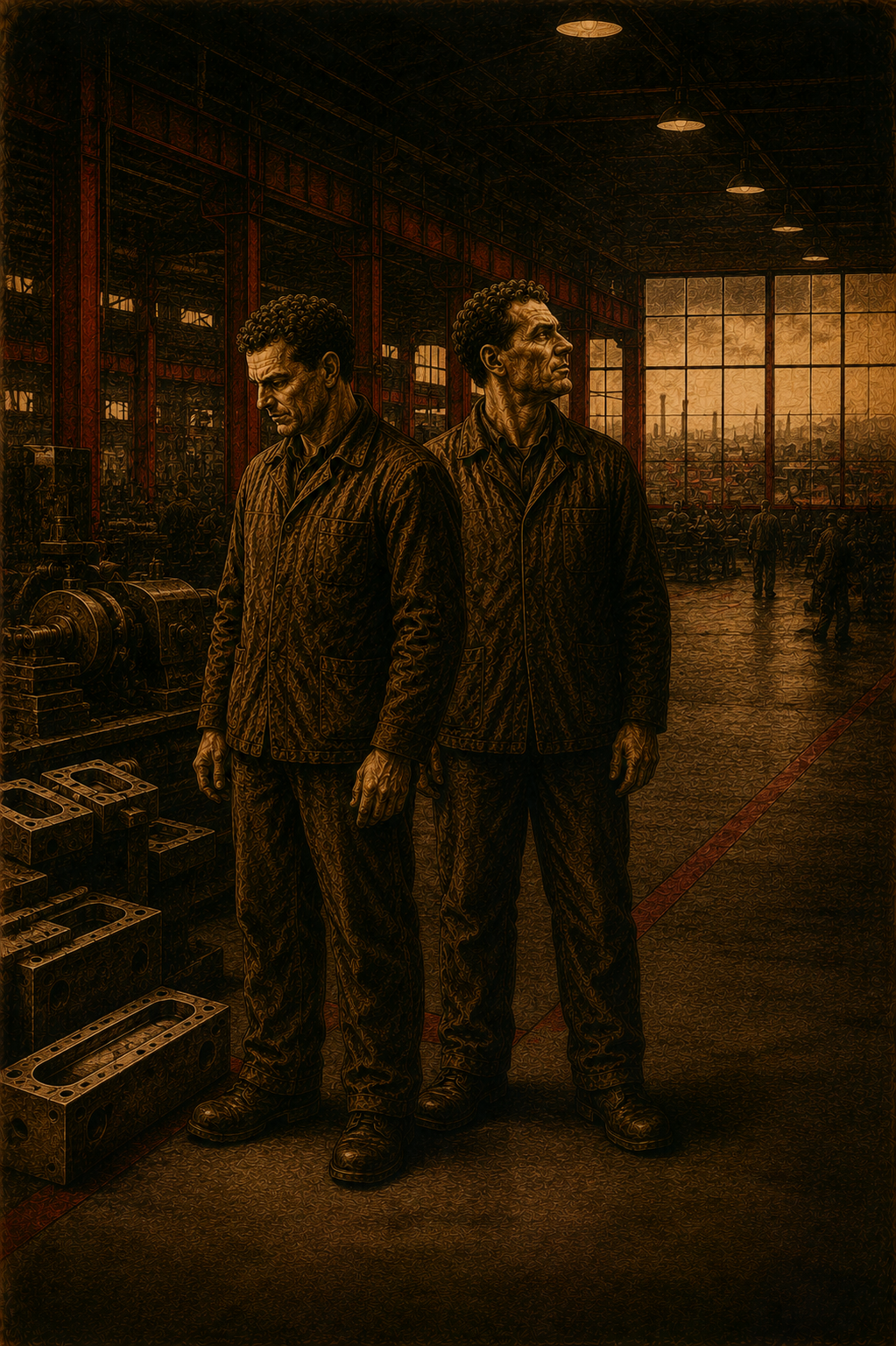
If two types seem uncannily similar from a distance, ask whether they share a register while bypassing each other's leading concern. The surface rhythm may match while the centre of attention does not.
Compare Quasi-identityKindred

If the same dominant element seems obvious, check whether the Creative function and quadra values are pulling it toward a different life emphasis. Same base does not mean same type.
Compare Kindred relationsSupervision
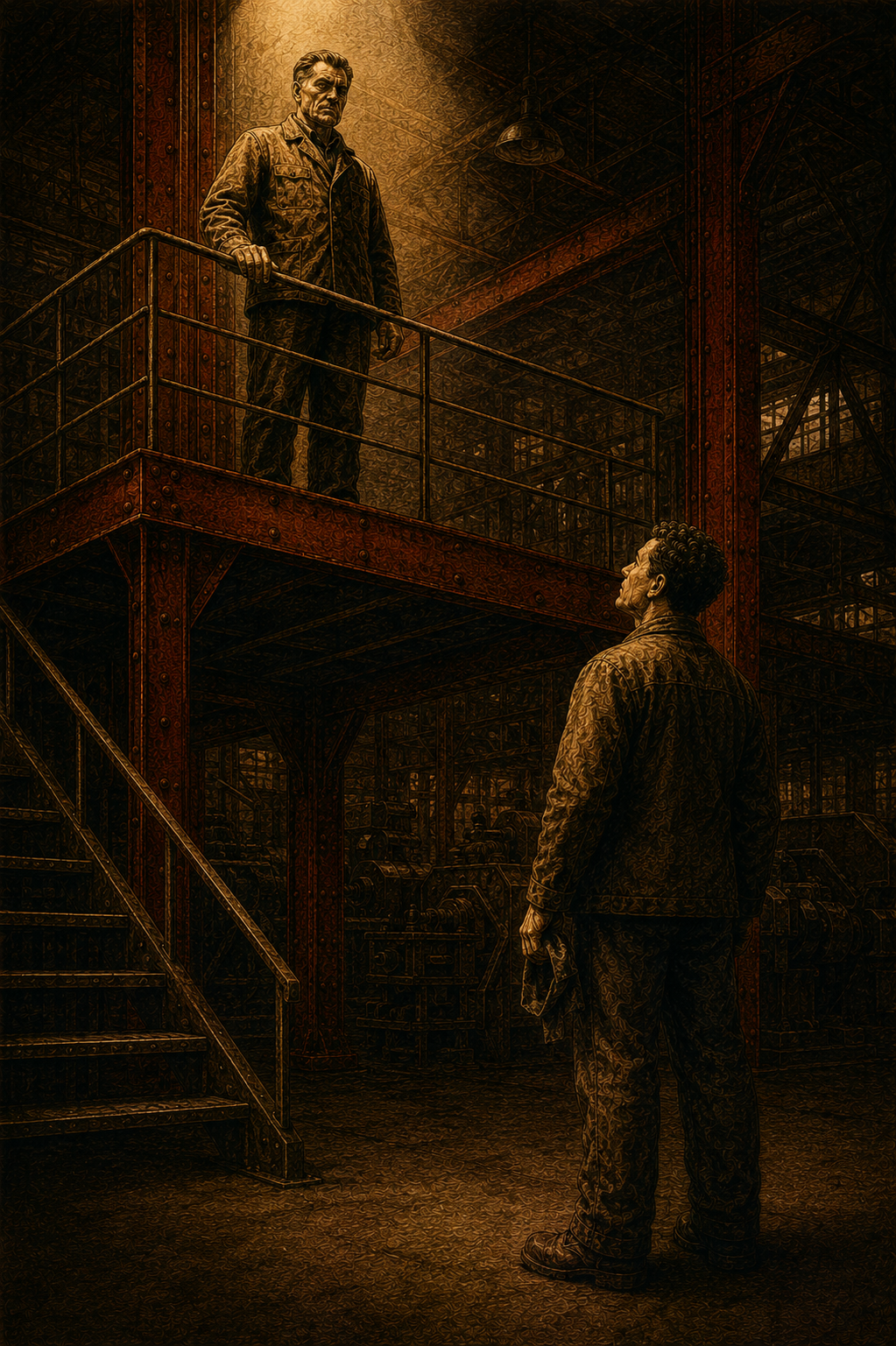
If one type seems like a more forceful or competent version of another, be careful. Supervision can make one person's strengths look like the standard the other is failing to meet.
Compare SupervisionDuality
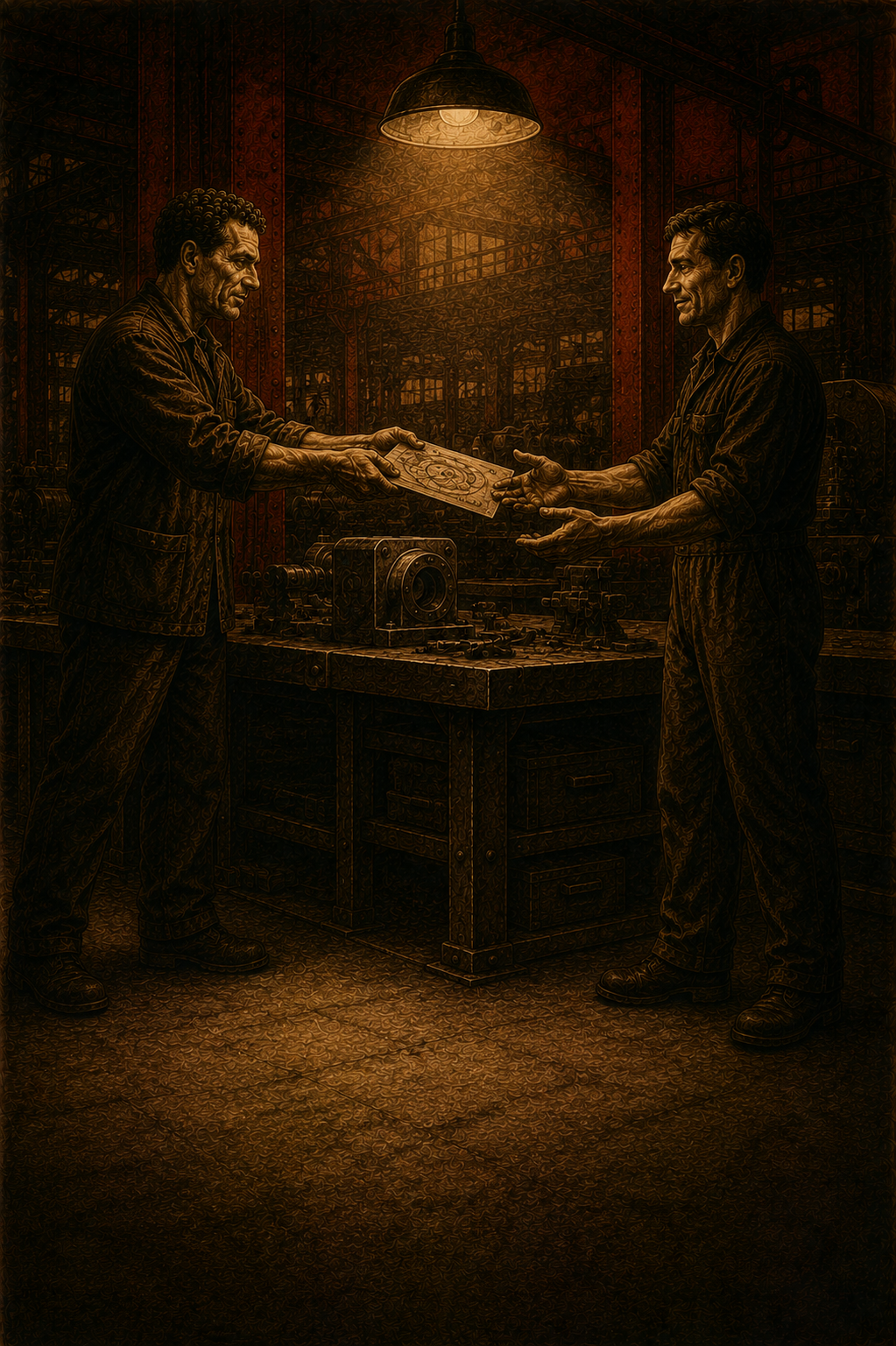
If someone feels unusually easy or balancing, do not type them as similar too quickly. Duality can create recognition through complementarity rather than resemblance.
Compare DualityEthics
Typing should increase attention, not replace it.

The worst use of typology is to make a person smaller: to decide what they are before they have had the chance to show you. The better use is the opposite. Type can help you notice differences in attention, expectation, communication, and stress response that might otherwise be misread as stupidity, malice, laziness, or bad faith.
That only works if the typing remains provisional. A person can surprise the model. A person can develop. A person can be under pressure, masking, performing, recovering, adapting, or simply unlike your favourite example of the type.
Use type as a map of possible structure. Do not use it as a sentence passed on the person.
This section is modelled on WSS typing procedures. The wording, organisation, and interpretive framing are original to TetraTypes.