
There are things people learn to do because the room expects them. They can make the sensible remark, adopt the appropriate tone, keep a process moving, or present themselves as more composed than they feel. From the outside, this may look like a stable strength. From the inside, it can feel like holding a shape in place.
Model A gives this tension a name. The Role function is position 3, part of the Super-Ego block with the Vulnerable function. TetraTypes describes the Super-Ego as a territory of conscious strain: it is where a person can recognise an expectation and try to meet it, yet remain alert to the cost of doing so.
A role is not a fraud
The word can tempt us into a shallow contrast: authentic self on one side, false performance on the other. That is rarely what ordinary life feels like. A role can be sincere. Someone may care deeply about being reliable, gracious, fair, prepared, or socially legible. They may practise the relevant skill for years. The effort is real; so is the value of the result.
What matters is that the competence does not necessarily organise the person's attention. It may appear when a situation calls for it, then recede once the demand is gone. A person can perform it well and still need recovery afterwards. The important distinction is between being able to take up a function and living from it with ease.
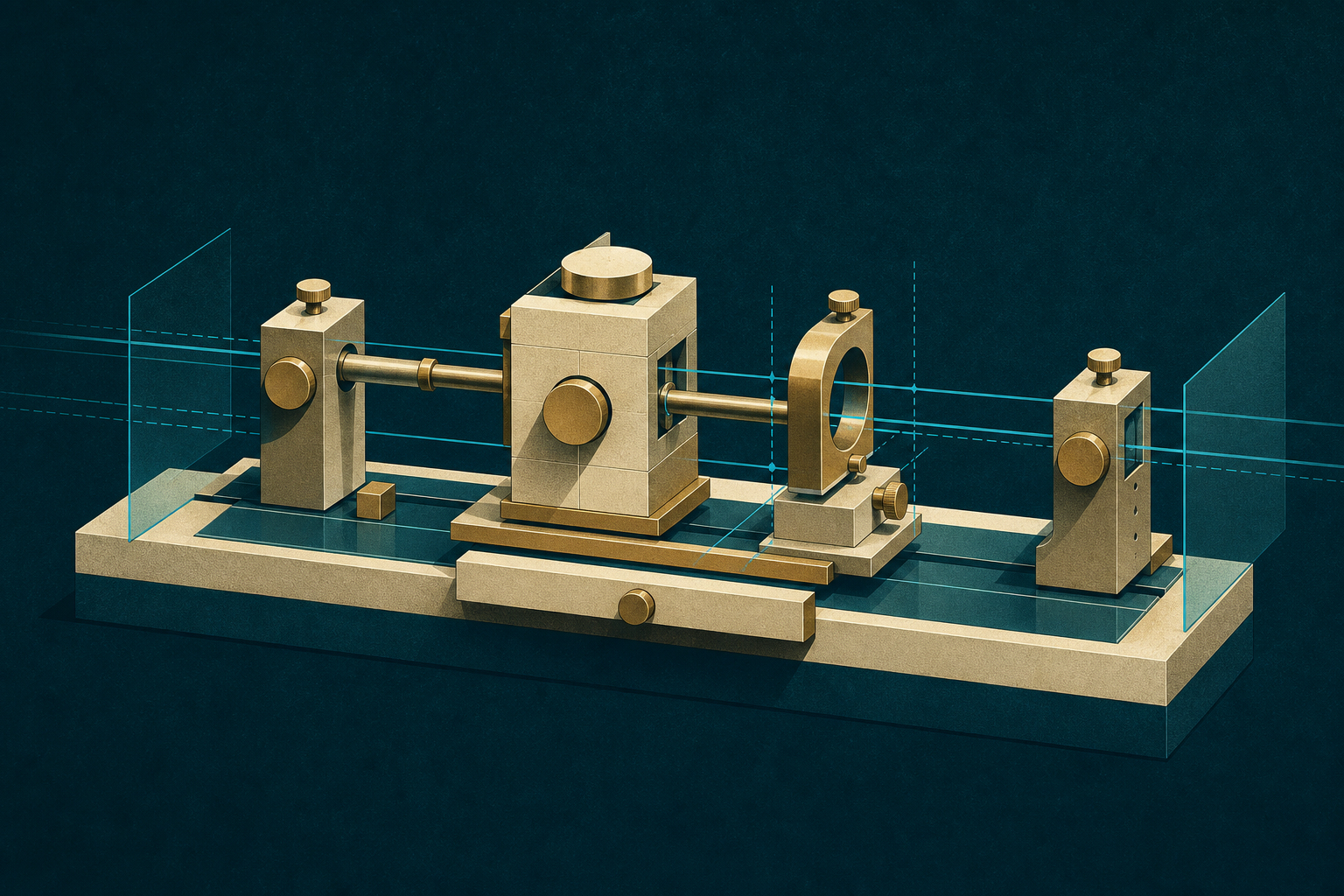
The labour of calibration
Role-function effort often has a particular texture: calibration. The person watches for the right amount. Have I said enough? Is this firm enough, warm enough, exact enough, useful enough? The question may not be constant, and it should not be treated as a diagnostic shortcut. Everyone calibrates under pressure. The pattern becomes interesting only when it recurs across contexts and sits beside other evidence.
That caution matters in typing. A polished public manner does not prove that the relevant information domain is central or strong. Training, profession, family expectation, and temperament all create convincing performances. Conversely, an awkward manner does not by itself identify the Role function. Socionics asks for a pattern in the whole model, not a verdict from one social scene.
What the audience rewards
Roles become tiring partly because audiences reward them. The organised colleague is given more organising. The diplomatic friend is asked to smooth more tensions. The person who can make a technical explanation sound confident is sent into another difficult meeting. Praise can make a demanded competence feel compulsory, especially when it arrives before anyone has asked what it costs.
This is not a plea to withdraw from every expectation. It is an argument for better observation. When someone presents a capability, notice whether it is a source of energy, a duty they fulfil, a skill they deploy selectively, or a performance that leaves little room for anything else. The same visible act can carry several different meanings.

Typing beyond the polished surface
The Role function is useful because it discourages a common typing mistake: reading the most socially polished layer as the deepest one. Good typology has to ask what happens offstage. What does the person return to without prompting? Which problems do they pursue for their own sake? Where does their speech become less managed and more alive? What can they do reliably, yet prefer not to carry all day?
Those questions do not make social skill suspicious. They simply make it interpretable. A type hypothesis improves when it can distinguish the capacity someone has cultivated from the orientation that makes the world feel most immediately important.
Competence can be set down
There is a quiet relief in discovering that an ability need not become an identity. A person may be the one who keeps the tone civil, catches the omission, explains the rule, or makes the necessary decision. None of that requires them to become permanently available for that task.
The Role function names one place where social competence and inner economy can diverge. It invites a more generous reading of both: respect the work that has been done, and do not mistake its visibility for the whole person.