Model A Dichotomies
A more careful map of the distinctions that organise the type structure.
Read the dichotomies guideTetraTypes Blog ·
They are information domains, not kindness versus intelligence.
Terms
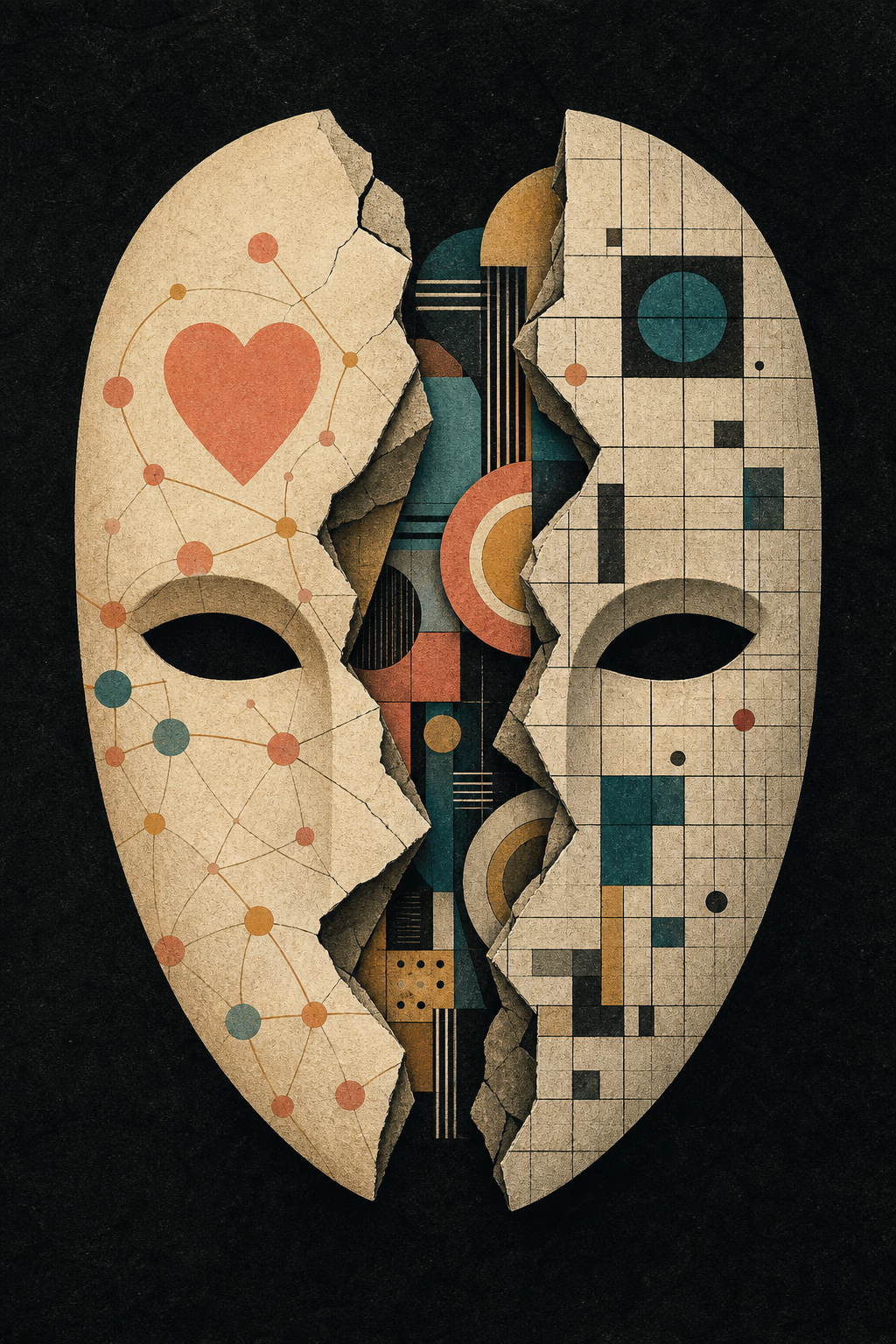
Few Socionics words create more unnecessary confusion than Ethics and Logic. In ordinary speech, ethics suggests being good, considerate, or compassionate; logic suggests being clever, rational, or technically capable. That is not what the terms mean here.
In Socionics, both are names for broad information domains. Neither is a moral grade. Neither is an IQ test. An ethical type can be rigorous, brilliant, and unsentimental. A logical type can be generous, tactful, and deeply concerned with people. The distinction concerns the kind of material that most naturally becomes salient and organised, not the quality of someone’s character.
This translation error is especially tempting because type descriptions often describe visible consequences. An ethical orientation can make interpersonal atmosphere highly noticeable; a logical orientation can make coherence, procedure, or practical effectiveness highly noticeable. But “notices relational information” is not the same as “is kind,” and “notices structural information” is not the same as “is intelligent.”
Relations
Ethics concerns information about people as people: affect, attraction and repulsion, personal distance, emotional tone, shared mood, sympathy, tension, and the changing texture of a relation. It includes both Fi and Fe, though they attend to different forms of that material.
This is not a claim that ethical types are permanently pleasant. Someone can be exceptionally alert to a room’s emotional temperature and still be impatient, blunt, shy, ironic, or unkind. In fact, noticing tension does not tell us whether a person wants to soothe it, heighten it, avoid it, name it, or use it. It only tells us that relational and affective information is part of the field being registered.
Think of Ethics as an orientation to the question: what is happening between people? The answer might concern closeness, trust, mood, resentment, enthusiasm, allegiance, or the unspoken social terms of a situation.
Structure
Logic concerns information about structure, system, operation, and objective relation: how things fit together, what follows from what, what works, what is accurate, and what can be reliably applied. It includes Ti and Te, again with distinct emphases.
That does not make logical types emotionless, socially oblivious, or more capable of reason than anyone else. A logical orientation may make it natural to ask what the rule is, which distinction matters, what causes the result, or whether the account is internally coherent. But a person can do all of that while caring intensely about others, and any type can learn to reason well.
Think of Logic as an orientation to the question: what is the structure of this? The answer may concern definitions, mechanisms, evidence, usefulness, method, or the practical consequences of an action.
Correction
The misunderstanding survives because the two domains are easy to moralise. We tend to praise the kind of attention we personally value and caricature the kind that is less immediate to us. Ethics becomes “softness”; Logic becomes “coldness.” Or the polarity reverses: Ethics becomes “irrational drama”; Logic becomes “heartless calculation.” Neither caricature describes the model.
It also survives because behaviour is never a transparent window into information metabolism. Someone may be gentle because of upbringing, conscience, anxiety, professional training, or deliberate discipline. Someone may be highly analytical because they are curious, educated, solving a demanding problem, or simply trying to protect themselves from uncertainty. Surface traits are evidence, but they are not verdicts.
That is why it helps to read the Model A dichotomies alongside the structure of Model A. The terms become clearer when they are treated as part of a system rather than as personality compliments or insults.
Method
Do not ask, “Am I more kind or more intelligent?” The question is both unfair and unhelpful. Instead, look for the information you repeatedly orient around without having to make it the whole story.
When an interaction becomes complicated, do you first find yourself tracking its human terms, its atmosphere, its loyalties, and the effect people are having on one another? Or do you first want to clarify what is actually happening, how the parts relate, what the evidence supports, or which method will work? These are only starting questions, not a test. They become useful when compared across many ordinary situations.
Use a written record. The Typing Worksheet can keep observations concrete, while the Typing guide helps separate a recurring pattern from a flattering self-image. Compare candidate types on both sides of the dichotomy; the sixteen type pages are much more useful in contrast than in isolation.
Orientation
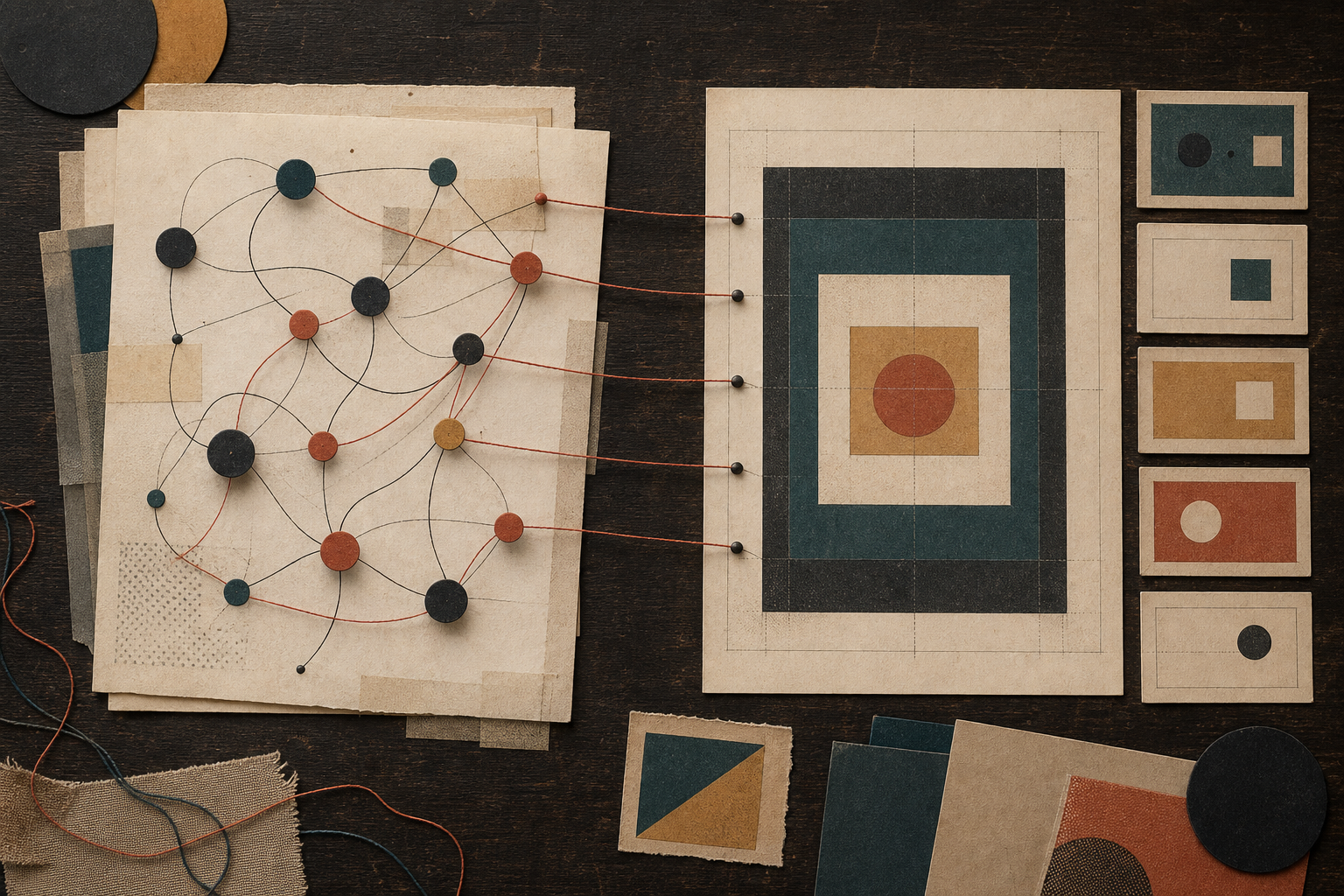
Ethics and Logic are not a contest between warmth and thought. They describe two ways in which a shared world can become meaningful: through relations and affect, or through structure and operation. Each has its blind spots. Each has its contributions. Each can be used generously or badly.
The useful question is not which side makes a better person. It is: what kind of information keeps becoming significant to me, and how does that attention fit into the rest of my type hypothesis? Asked that way, the dichotomy becomes less flattering, but much more illuminating.
Further Reading
A more careful map of the distinctions that organise the type structure.
Read the dichotomies guideHow to treat descriptions as hypotheses, compare near misses, and avoid identity-mirror traps.
Read the essay
Discussion
Comments
Share a correction, question, or example. Comments are moderated before appearing.