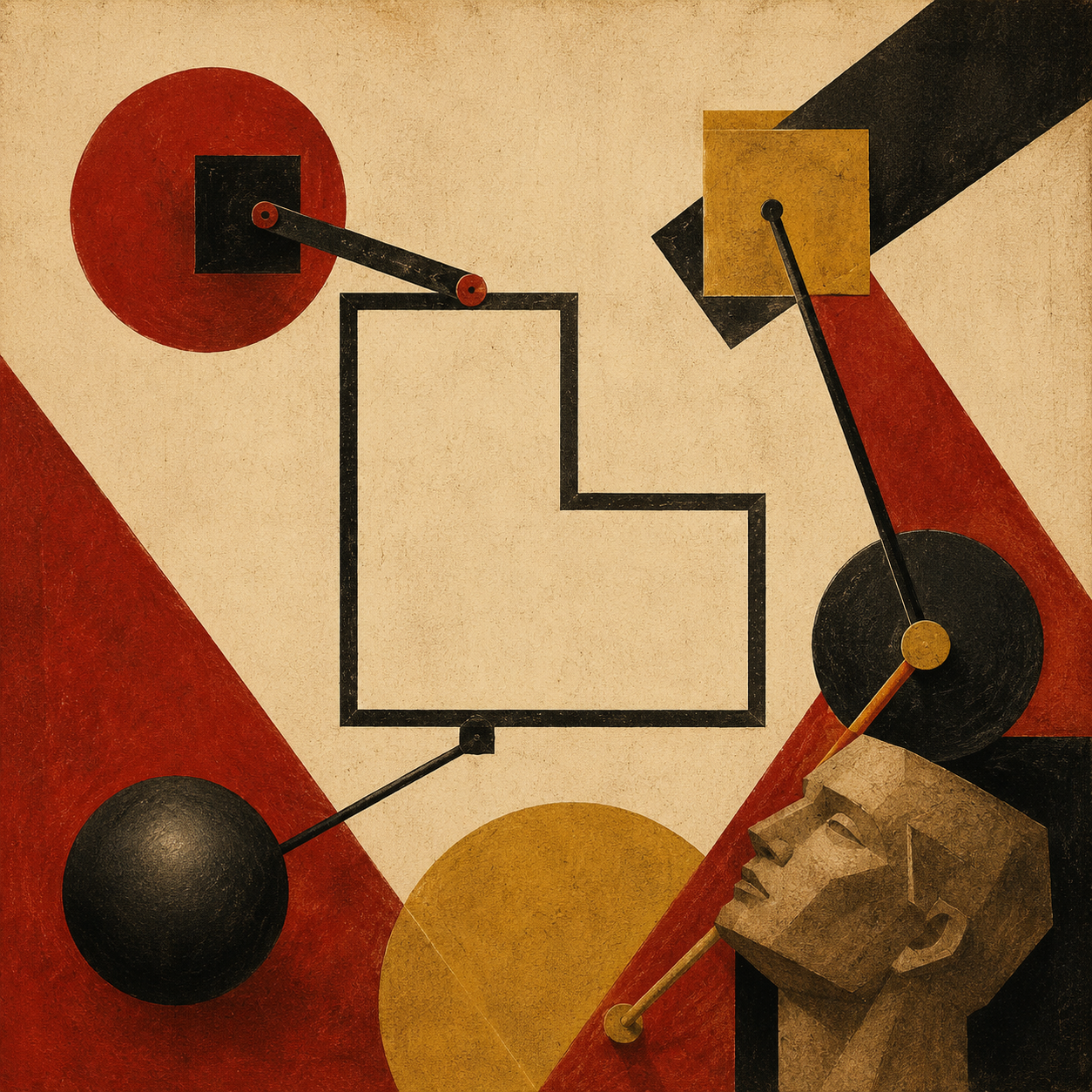



Model L · Intertype Relations

Dual Relations — Model L

Complementary elements at full resolution.Model A describes duality. Model L specifies the exact mode of complementarity.

Model A To Model L

What Duality Completes

Model A describes duality as the deepest complementarity in the socion: one type's leading and creative strengths answer the other type's suggestive and mobilising needs, and vice versa. At the level of the eight classical elements this already explains a great deal. Ti seeks Fe, Ne seeks Si, Se seeks Ni, Te seeks Fi.

Model L makes that complementarity more precise. It is not merely that Ti complements Fe, but that a specific Ti mode complements a specific Fe mode. LII leads Ti(N.) — Intellect — and is dual to ESE, whose Fe(S.) — Affect — answers that structure with embodied atmosphere. The dual relation is therefore not an abstract exchange between generic elements. It is an exact fit between two modes that supply what the other cannot generate from within itself.

Duality relation poster

Dual Pair Menu

Eight Exact Complements

Each section will pair a leading Model L element with the complementary element mode supplied by its dual.

Intellect element illustration
Ti(N.) · Intellect · LII
Affect element illustration
Fe(S.) · Affect · ESE

Ti(N.) Intellect + Fe(S.) Affect — LII and ESE

The LII's leading Ti(N.) builds communicable logical structure: principles articulated into coherent form, stable enough to be stated, examined, and shared. The ESE's Fe(S.) supplies embodied emotional atmosphere: warmth, ease, and social vitality carried through physical presence rather than rhetorical intensity.

At Model A resolution this is Ti complemented by Fe. At Model L resolution it is more exact: articulated conceptual structure is completed by somatic affect. The framework gains the atmosphere it needs to be received by real people in a room; the atmosphere gains principled content so that it becomes more than pleasant feeling.

Dual relation illustration comparing LII Ti(N.) and ESE Fe(S.)

Duality In Practice

The LII figure at the board is doing what Ti(N.) does — building communicable logical structure, articulating principle into coherent form. The framework on the board is precise and correct. But it needs a room that can receive it. The ESE figure is providing exactly that — not through rhetoric or dramatic gesture, but through the physical atmospheric ease of Fe(S.) Affect. The warmth is somatic and ambient, carried in physical presence rather than in expressed inner conviction. Together the structure finds the atmosphere it needs to actually land, and the atmosphere has the principled content it needs to be more than mere pleasant feeling. Neither is trying to provide what the other needs. Each is simply being themselves.


Habitus element illustration
Ti(S.) · Habitus · LSI
Sentiment element illustration
Fe(N.) · Sentiment · EIE

Ti(S.) Habitus + Fe(N.) Sentiment — LSI and EIE

The LSI's leading Ti(S.) holds structure as embodied procedure: logical order trained into physical habit, repeated form, and practical enactment. The EIE's Fe(N.) supplies passionate symbolic expression: inner conviction made public through rhetoric, drama, and charged emotional meaning.

At Model A resolution this is again Ti complemented by Fe. At Model L resolution the fit is specific: embodied procedure is completed by expressive conviction, and expressive conviction is grounded by enacted form. The procedure becomes meaningful rather than merely correct; the passion gains something real to illuminate.

Dual relation illustration comparing LSI Ti(S.) and EIE Fe(N.)

Duality In Practice

The LSI figure is doing Ti(S.) — Habitus. The structure is in the body, enacted as trained physical procedure and codified behavioural discipline. Every movement of the demonstration is governed by deeply embedded habit rather than by sensory attention to any material or equipment. The procedural chart on the wall is not a reference being consulted — it is the codified form of what the body already knows and automatically performs. The workers behind and beside the LSI are conforming to a standard that is transmitted through physical demonstration rather than through articulated concept. The structure is correct because the body enacts it correctly. It has always been done this way because this is how it is done.

The EIE figure is doing Fe(N.) — Sentiment. Deeply felt inner passion is erupting outward through dramatic rhetoric and symbolic gesture, inciting the watching workers to feel the significance of what is being demonstrated. The conviction is genuine and internal — not performed atmosphere but a real inner fire expressed through the full force of rhetorical address. The EIE gives the LSI's embodied procedure its human meaning: this matters, this is what we are, this is worth doing with everything you have.

The embodied procedure needs exactly this kind of passionate inner conviction to give it significance beyond mere mechanical correctness. The rhetorical conviction needs exactly this kind of grounded procedural authority to give it something real and enacted to be passionate about. Neither is performing for the other. The LSI demonstrates because the procedure must be enacted correctly. The EIE speaks because the conviction must be expressed. The combination produces something neither generates alone — procedure that carries meaning, and conviction that has genuine substance beneath it.

Ideation element illustration
Ne(N.) · Ideation · ILE
Stimulation element illustration
Si(S.) · Stimulation · SEI

Ne(N.) Ideation + Si(S.) Stimulation — ILE and SEI

The ILE's leading Ne(N.) builds possibility as conceptual architecture: ideas deliberately generated, connected, and rearranged into new forms. The SEI's Si(S.) supplies the bodily ground that lets that exploration continue: comfort, sensory ease, and a lived physical environment that restores rather than drains.

At Model A resolution this is Ne complemented by Si. At Model L resolution the fit is specific: deliberate ideation is completed by somatic stimulation. Conceptual exploration gains the physical support it needs to remain open and alive; sensory care gains the imaginative expansion that keeps comfort from becoming stasis.

Dual relation illustration comparing ILE Ne(N.) and SEI Si(S.)

Duality In Practice

The ILE figure is doing Ne(T.) — Ideation. The imagination operates as deliberate architectural craft — concepts generated and connected from the outside, ideas built into structural form, the conceptual board filling with the organised architecture of possibilities being systematically explored. This is not inspiration felt from within. It is construction directed from without. The ILE is not experiencing the ideas as personally vivid and meaningful — they are manipulating them as objects, building and connecting them with the focused precision of someone whose imagination is a tool for making conceptual structure.

That kind of sustained conceptual construction has a specific environmental requirement. It needs the physical surroundings to recede — to become warm, comfortable, unobtrusively good — so that nothing pulls attention away from the work. The ILE is not attending to the physical environment and cannot sustain that inattention if the environment is draining or uncomfortable. What is needed is a somatic ease that simply holds, quietly and continuously, without requiring any of the ILE's attention to maintain it.

The SEI figure is doing Si(F.) — Stimulation. The felt quality of the physical environment is being attended to from the inside — the somatic experience of what the space is like, the bodily sense of what would make it genuinely comfortable and alive, the warmth of the lamp adjusted and the plant tended with the care of someone whose primary mode is the subjective felt quality of physical presence. The SEI is feeling the environment, inhabiting it, attending to its somatic quality from within. The result is a space that simply feels right to be in.

This is where the sub-variant specificity of Model L matters. The ILE needs Si(F.) specifically — the subjectively felt warmth and comfort that the SEI generates simply by attending to the somatic quality of what is around them. The ILE's conceptual architecture runs freely precisely because the SEI's felt environmental care creates the somatic ease that allows inattention to the physical to be sustainable rather than depleting.

The ILE is not thinking about the physical environment. The SEI is not thinking about the conceptual content on the board. Neither is managing the relationship or calibrating what the other needs. Each is simply operating from their leading element — and the space between them is naturally right in a way that requires no negotiation, no adjustment, and no effort from either side. That effortlessness is what dual feels like. Model L explains why it works with this specific type pair and not simply with any Ne and Si in proximity.

Inspiration element illustration
Ne(S.) · Inspiration · IEE
Observation element illustration
Si(N.) · Observation · SLI

Ne(S.) Inspiration + Si(N.) Observation — IEE and SLI

The IEE's leading Ne(S.) experiences possibility as personally vivid inner potential: inspiration charged with felt meaning rather than constructed as detached concept. The SLI's Si(N.) supplies controlled sensory observation: precise attention to the actual functional details of the physical present.

At Model A resolution this is again Ne complemented by Si. At Model L resolution the fit is specific: felt inspiration is completed by careful observation. The possibility gains an honest account of what is actually present; the observation gains a living sense of what the present could become.

Dual relation illustration comparing IEE Ne(S.) and SLI Si(N.)

Duality In Practice

The IEE figure is doing Ne(F.) — Inspiration. Possibilities arrive with a personal felt charge of significance and excitement rather than being deliberately constructed. The creative impulse is spontaneous — animated, gestural, the ideas experienced as personally vivid and meaningful from the inside rather than built as conceptual architecture from the outside. The IEE is not generating a systematic map of possibilities. They are feeling the aliveness of what could be, and that felt charge is genuine information about what is worth pursuing. The inspiration is real. What it lacks, on its own, is a precise account of what is actually present to work with.

Without that account the IEE's felt possibilities remain personally vivid but practically unanchored — charged with significance but not yet in contact with the specific functional reality of the situation. The inspiration points somewhere. It needs to know what is actually there when it arrives.

The SLI figure is doing Si(T.) — Observation. Sensory faculties are directed with controlled precision at the specific functional details of what is actually present — size, form, tolerance, surface, the parameters listed on the quality chart on the wall behind them. The attention is deliberate and selective, filtering for functional relevance, attending to what the physical reality is actually showing rather than what it feels like to be near it. The SLI is not immersed in the somatic experience of the material. The observation is controlled and externally directed — a precise account of what is actually here.

This is where the sub-variant specificity of Model L matters. The IEE does not need Si(F.) — subjective bodily immersion in the felt quality of the environment would produce warmth and comfort but not the precise functional account the inspiration needs to land in reality. The IEE needs Si(T.) specifically — the controlled selective observation that produces an exact picture of what is actually present, the functional parameters that tell the inspiration what it is working with. The IEE's felt sense of what could be lands in the SLI's precise account of what actually is. The gap between inspiration and reality gets bridged not by the IEE managing their own grounding but by the SLI simply doing what Si(T.) does naturally.

The SLI's careful observation of the present gets animated in return. The precise functional account of what is here gains a felt sense of what it could become — the IEE's inspiration making the SLI's observed reality worth attending to in a new way. Neither has to work at providing this for the other. The IEE is not trying to ground themselves. The SLI is not trying to expand their sense of possibility. Each is simply operating from their leading element — and the combination produces both the felt direction and the precise grounding that neither generates alone.

Actuation element illustration
Se(N.) · Actuation · SLE
Reverie element illustration
Ni(S.) · Reverie · IEI

Se(N.) Actuation + Ni(S.) Reverie — SLE and IEI

The SLE's leading Se(N.) applies force as controlled physical regulation: precise, deliberate, and oriented toward bringing the environment under effective governance. The IEI's Ni(S.) supplies inner narrative significance: a felt sense of trajectory, aspiration, and human meaning.

At Model A resolution this is Se complemented by Ni. At Model L resolution the fit is specific: regulated actuation is completed by reverie. Force gains a meaningful trajectory beyond immediate impact; vision gains the physical authority that can make it real.

Dual relation illustration comparing SLE Se(N.) and IEI Ni(S.)

Duality In Practice

The SLE figure is doing Se(T.) — Actuation. The physical environment is being brought under controlled governance through the deliberate and calculated application of regulatory force. The SLE is not in explosive personal exertion — the force is an external instrument wielded with precise authority, the environment responding to the governance being applied to it. Every directive is measured and exact. The physical outcome is clear and specific. What the actuation itself cannot provide is any account of why this specific outcome matters in the larger flow of events — where this is all heading, what it means beyond the immediate physical transformation being executed with such precision.

Without that account the SLE's actuation is technically complete but humanly hollow — correct and effective but in service of nothing that carries felt significance beyond the immediate outcome. The force is real. The governance is exact. The meaning of it is absent.

The IEI figure is doing Ni(F.) — Reverie. The inner narrative flow of events is being felt and inhabited — scenarios of aspiration and significance running through the inner world, the trajectory of where things are heading experienced not as strategic pattern but as personally felt meaning and narrative purpose. The IEI is not tracking real-world temporal trends with detached strategic awareness. The vision is internal and aspirational — the felt sense of where the flow of events is leading and what it means humanly, the narrative significance of the shared endeavour held as lived inner experience rather than calculated projection.

This is where the sub-variant specificity of Model L matters. The SLE does not need Ni(T.) — detached strategic apprehension of temporal trends would produce a correct assessment of where things are heading but not the felt human significance that gives the force its meaning. The SLE needs Ni(F.) specifically — the inner narrative vision that carries the aspiration and meaning of where the trajectory leads, the humanly felt sense of purpose that makes the precise application of regulatory force worth applying with everything available. The actuation serves the vision not because the SLE has been told to but because the IEI's felt narrative purpose is exactly what the SLE's precise force needs to be in service of.

The IEI's inner vision is made physically real in return. The narrative aspiration and felt sense of where things are heading gains a concrete physical enactment — the SLE's regulatory actuation closing the distance between the present state and the trajectory the IEI has felt as significant. The vision stops being inner narrative and becomes actual. Neither is managing the relationship or calibrating what the other needs. The SLE is applying force because that is what Se(T.) does. The IEI is inhabiting the narrative vision because that is what Ni(F.) does. The combination produces both the precise physical governance and the felt human meaning that neither generates alone — and it does so without either of them working at it.

Impetus element illustration
Se(S.) · Impetus · SEE
Apprehension element illustration
Ni(N.) · Apprehension · ILI

Se(S.) Impetus + Ni(N.) Apprehension — SEE and ILI

The SEE's leading Se(S.) converts vital reserves into total physical commitment: force as personally felt mobilisation, immediate and embodied. The ILI's Ni(N.) supplies detached strategic apprehension: a composed reading of how events are unfolding and where intervention will matter.

At Model A resolution this is again Se complemented by Ni. At Model L resolution the fit is specific: visceral impetus is completed by strategic apprehension. Force gains the exact moment and direction in which it matters; temporal reading gains the embodied power that can act on it.

Dual relation illustration comparing SEE Se(S.) and ILI Ni(N.)

Duality In Practice

The ILI figure is doing Ni(T.) — Apprehension. The temporal flow of events is being tracked with detached strategic awareness — not felt as inner narrative aspiration but read as objective pattern from the outside. The ILI is composedly monitoring how things are actually developing, where the trajectory is genuinely heading, what the strategic implications of the current flow are. The apprehension arrives as nonverbal understanding — a precise and specific reading of when and where the decisive intervention should happen. The conclusion is correct. The identification of the exact point and moment is exact. What the apprehension itself cannot supply is the physical force required to act on what it has identified with total commitment at the moment it has specified.

Without that force the ILI's strategic reading remains a correct assessment that changes nothing. The temporal pattern has been apprehended with precision. The decisive point has been identified. The intervention does not happen because apprehension is not action and Ni(T.) generates no physical drive of its own.

The SEE figure is doing Se(F.) — Impetus. Vital reserves are being converted entirely into explosive full-body exertion toward the specific concrete aim — the force felt as an internal somatic charge driving total physical commitment from within the body. Nothing is held back. The mobilisation is visceral and complete, the whole body expended at the identified point with everything available. The SEE is not governing the physical environment through calculated regulatory force. The commitment is felt from inside and total — the internal drive converting into physical impact at full intensity.

This is where the sub-variant specificity of Model L matters. The ILI does not need Se(T.) — regulatory controlled force applied with measured precision would bring the environment under governance but would not produce the total visceral commitment that the ILI's precise identification of a specific decisive moment actually requires. A controlled regulatory application of force hedges. The ILI's apprehension has identified not a zone to govern but a precise point and moment requiring complete physical expenditure. The ILI needs Se(F.) specifically — the visceral internal mobilisation that converts everything available into committed action at exactly the point and moment the apprehension has identified, without calibration, without reservation, without anything held back.

The SEE's total visceral commitment gains direction in return. The impetus is complete but without the ILI's detached strategic reading it disperses across too many targets to accumulate into anything decisive. The Ni(T.) apprehension gives the Se(F.) impetus the precise point it needs to expend itself completely and meaningfully. The ILI reads the situation with composed detachment. The SEE acts in it with total visceral commitment. Neither is managing the relationship or calculating what the other needs. The ILI apprehends because that is what Ni(T.) does. The SEE commits because that is what Se(F.) does. The combination produces both the strategic precision and the total physical commitment that neither generates alone — the background composure of detached reading and the foreground explosion of visceral impetus serving each other without negotiation, without effort, and without either of them working at it.

Reason element illustration
Te(N.) · Reason · LIE
Animus element illustration
Fi(S.) · Animus · ESI

Te(N.) Reason + Fi(S.) Animus — LIE and ESI

The LIE's leading Te(N.) reasons from objective data toward effective strategy: facts assembled into plans, priorities, and productive decisions. The ESI's Fi(S.) supplies concrete personal commitment: visceral loyalty, attachment, and the private felt bonds that define what is actually worth acting for.

At Model A resolution this is Te complemented by Fi. At Model L resolution the fit is specific: strategic reason is completed by animus. Effectiveness gains a human direction; loyalty gains the practical route by which its commitments can be protected and realised.

Dual relation illustration comparing LIE Te(N.) and ESI Fi(S.)

Duality In Practice

The LIE figure is doing Te(N.) — Reason. Available data is being assembled into articulated strategy — facts read for what they mean, the information organised into a logical picture of the situation, productive goals and workable methods derived through inference. The LIE is reasoning toward effectiveness at the level of proposition and strategic argument. The conclusions are honest and the strategy is sound. What the reasoning itself cannot supply is any felt account of what the strategy is actually in service of. Te(N.) has no stake in the outcome beyond effectiveness. It will reason equally well toward any goal it is given. Left without a direction that is personally meaningful rather than merely strategically optimal, the LIE's reasoning produces competent strategy going nowhere that genuinely matters.

Without that direction the reasoning is technically complete but humanly purposeless — the inference is valid, the strategy is workable, the goal it serves is arbitrary. The logic is real. The meaning of it is absent.

The ESI figure is doing Fi(S.) — Animus. Stable visceral attitudes of affinity and aversion toward particular persons and concrete objects of experience constitute what this person is actually loyal to and what they are actually working toward. The felt bonds are not abstract moral conviction — that would be Fi(N.), the EII's mode. The ESI's character is carried in the visceral particularity of specific attachments — this person, this commitment, this concrete relationship that has its own felt weight and reality. The direction is not derived from principle. It is felt as particular loyalty to specific things and people that matter in a way no general principle can fully account for.

This is where the sub-variant specificity of Model L matters. The LIE does not need Fi(N.) — abstract foundational moral conviction would provide a principled direction but not the visceral particularity that gives the LIE's situational reasoning its specific human purpose. The LIE needs Fi(S.) specifically — the stable felt attachments to particular persons and concrete commitments that tell the reasoning exactly what it is for and who it is serving. The Te(N.) strategy configures itself around the Fi(S.) direction not because the LIE has been instructed to but because the ESI's visceral particular loyalty is precisely the kind of felt direction that Te(N.)'s situational adaptability is built to serve.

The ESI's felt particular commitments gain effective practical expression in return. The visceral loyalty to specific persons and concrete bonds is real and complete as a felt reality — but without Te(N.)'s cold adaptive reasoning it may lack the most effective practical route to what it is loyal toward. The LIE's reasoning gives the ESI's felt commitments their most effective means of becoming actual — the strategy configured in real time around the specific particularity of what the ESI cares about, adapting to current conditions to find the most effective path toward it. Neither has to explain this to the other. The LIE reasons because that is what Te(N.) does. The ESI is loyal because that is what Fi(S.) does. The combination produces both the felt particular direction and the cold adaptive effectiveness that neither generates alone — the private visceral commitment and the articulated workable strategy serving each other without negotiation, without effort, and without either of them having to work at it.

Praxis element illustration
Te(S.) · Praxis · LSE
Soul element illustration
Fi(N.) · Soul · EII

Te(S.) Praxis + Fi(N.) Soul — LSE and EII

The LSE's leading Te(S.) works through direct practical engagement: method tested against material reality, adjusted by contact with tools, conditions, and results. The EII's Fi(N.) supplies principled inner conviction: a stable sense of what is inherently worthwhile, independent of external validation or specific personal attachment.

At Model A resolution this is Te complemented by Fi. At Model L resolution the fit is specific: praxis is completed by soul. Practical effectiveness gains moral grounding; principled conviction gains concrete expression in the world.

Dual relation illustration comparing LSE Te(S.) and EII Fi(N.)

Duality In Practice

The LSE figure is doing Te(S.) — Praxis. The application operates through direct material engagement and practical experimentation — methodology improvised and adapted in real time to what the physical environment actually requires, effectiveness found through doing rather than derived through inference. The LSE is not reasoning toward a conclusion from data analysis. They are in direct contact with the problem, testing what works, adjusting technique as the material and the situation respond. The work is practically honest — grounded in what the environment actually does rather than in what a strategic assessment says it should do. What the praxis itself cannot supply is any felt account of what the work is worth beyond its own technical effectiveness. Te(S.) has no stake in the outcome beyond what works. It will apply its practical methodology equally well toward any end it is pointed at. Left without a sense of principled purpose the LSE's practical effectiveness produces competent work in service of nothing that carries inherent worth.

Without that grounding the work is technically sound but morally empty — the technique is effective, the methodology is honest, the reason it is worth doing at all is absent. The praxis is real. The worthwhileness of it is not supplied from within.

The EII figure is doing Fi(N.) — Soul. Foundational inner conviction constitutes the totality of what this person believes is inherently worthwhile in life — abstract moral inclinations and principled ideals that exist as stable inner architecture independent of any specific person, concrete object, or external validation. The EII's sense of what matters is not a visceral particular attachment to specific persons and bonds — that would be Fi(S.), the ESI's mode. It is an abstract principled conviction about what is inherently worthwhile — settled, stable, and internal in a way that does not require the world to confirm it. The direction this provides is not situational or personal. It is foundational.

This is where the sub-variant specificity of Model L matters. The LSE does not need Fi(S.) — visceral particular attachments to specific persons and concrete commitments would provide a felt direction but not the abstract principled grounding that gives the LSE's practical work its sense of inherent moral worth. The LSE needs Fi(N.) specifically — the foundational inner conviction that what is being worked toward is genuinely worthwhile at the level of principle, independent of any specific personal loyalty or situational consideration. The Te(S.) praxis finds its moral grounding in the Fi(N.) conviction not because the LSE has been instructed to serve it but because the EII's stable abstract sense of what is inherently worthwhile is precisely the kind of principled direction that practical effectiveness needs to be more than mere technical competence.

The EII's foundational conviction gains concrete expression in the world in return. The abstract principled sense of what is inherently worthwhile is real and settled as an inner reality — but without Te(S.)'s direct practical engagement with the physical environment it may lack any concrete manifestation in the actual world. The LSE's hands-on praxis gives the EII's principled conviction its most honest practical form — methodology adapted in real time to the specific conditions of bringing what the EII believes is worthwhile into actual existence. Neither has to explain this to the other. The LSE works because that is what Te(S.) does. The EII holds the conviction because that is what Fi(N.) does. The combination produces both the abstract principled grounding and the direct practical effectiveness that neither generates alone — the foundational inner worth and the hands-on honest work serving each other without negotiation, without effort, and without either of them having to work at it.