
Blocks
- EgoPublic + Strong + Valued
- Super-EgoPublic + Weak + Neglected
- Super-IdPrivate + Weak + Valued
- IdPrivate + Strong + Neglected
Model A Library
How Model A functions are built from block, dimensionality, and approach, and how functions interact or transition.
Function Approaches
The same base dichotomies can be recombined to describe higher-order structures. Blocks are built from Public/Private, Strong/Weak, and Valued/Neglected. Dimensionality is built from Strong/Weak, Constant/Variable, and Obvious/Subtle. Priority is built from Valued/Neglected, Obvious/Subtle, and Stubborn/Flexible. Presence is derived from dimensionality and priority. Function approaches are built from Valued/Neglected, Stubborn/Flexible, and Obvious/Subtle. This lets the site show each idea as a structured consequence of simpler splits rather than as a separate list to memorise.
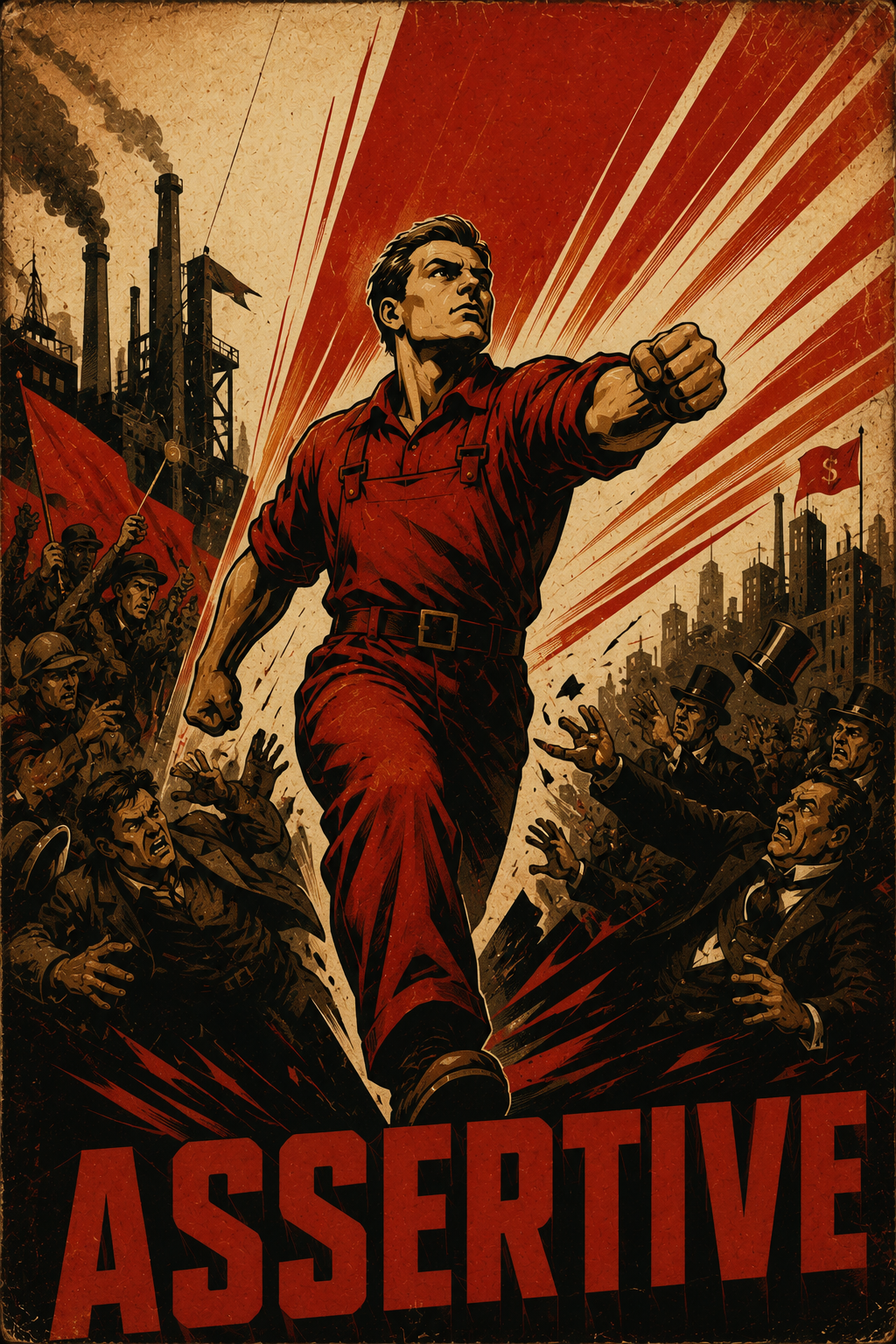
Valued + Stubborn + Obvious
The function is permitted to matter, resists outside movement, and presents itself openly.
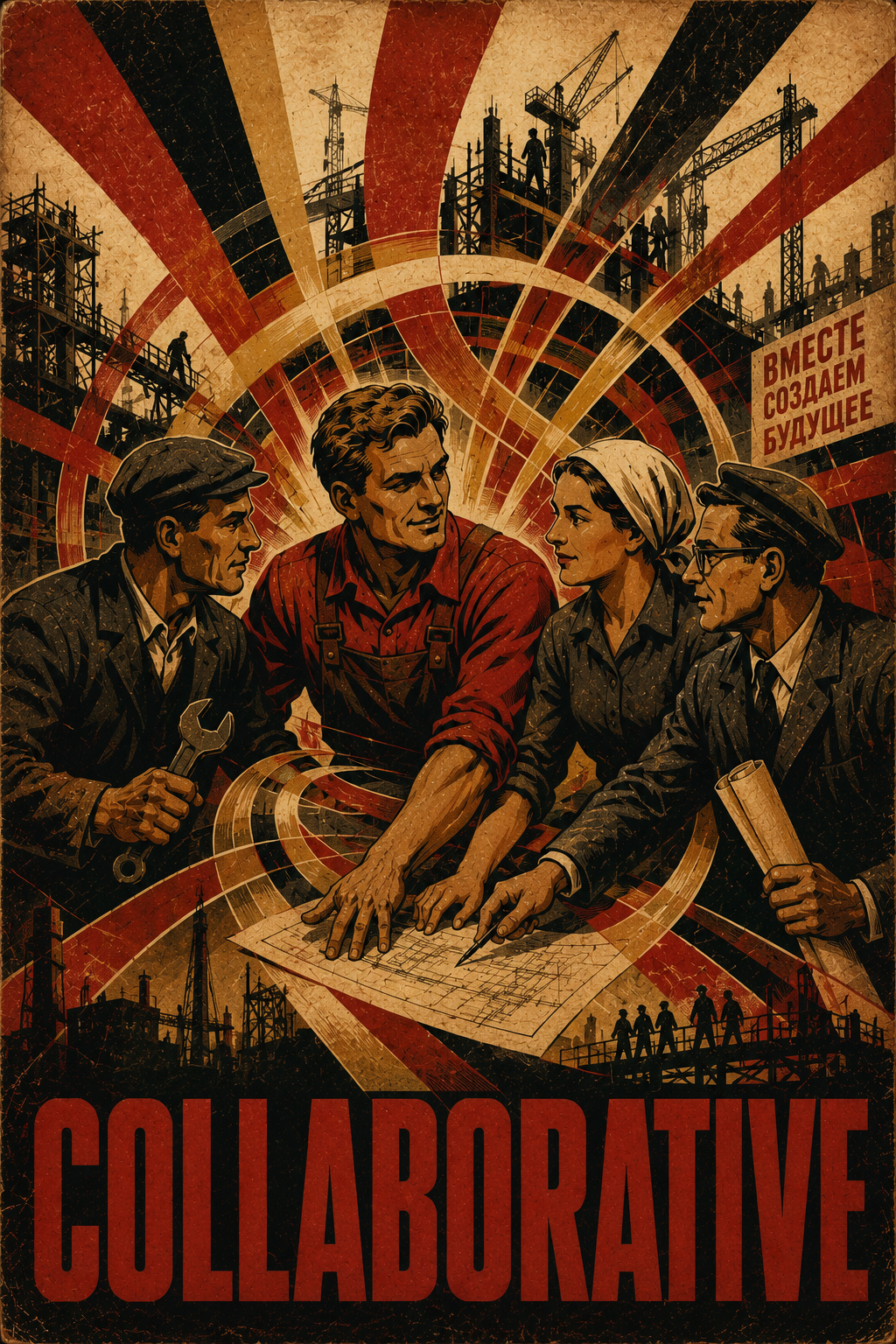
Valued + Flexible + Subtle
The function matters, but works through adjustment, response, and less overt expression.
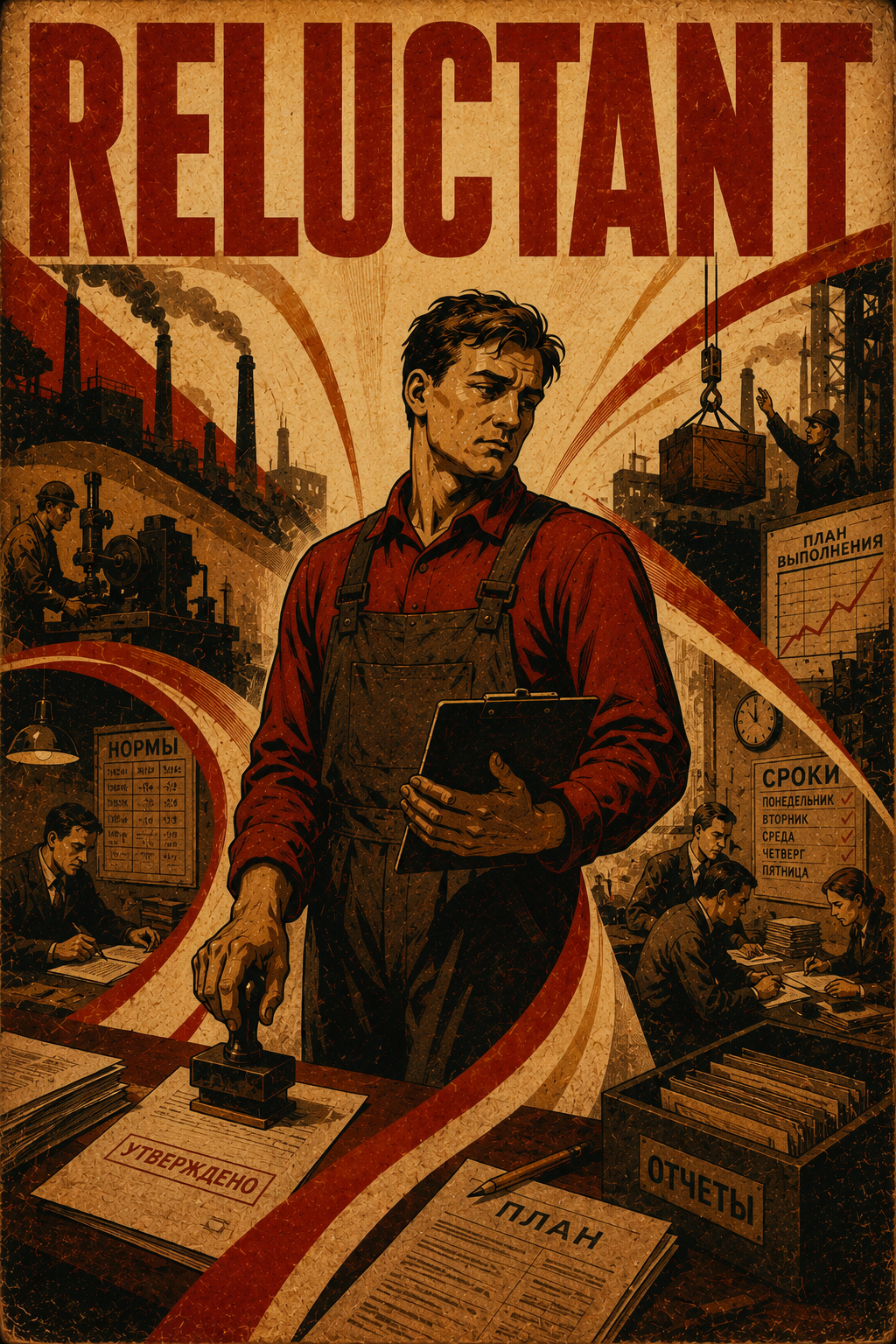
Neglected + Flexible + Obvious
The function is visible and situationally adjustable, but not motivationally central.
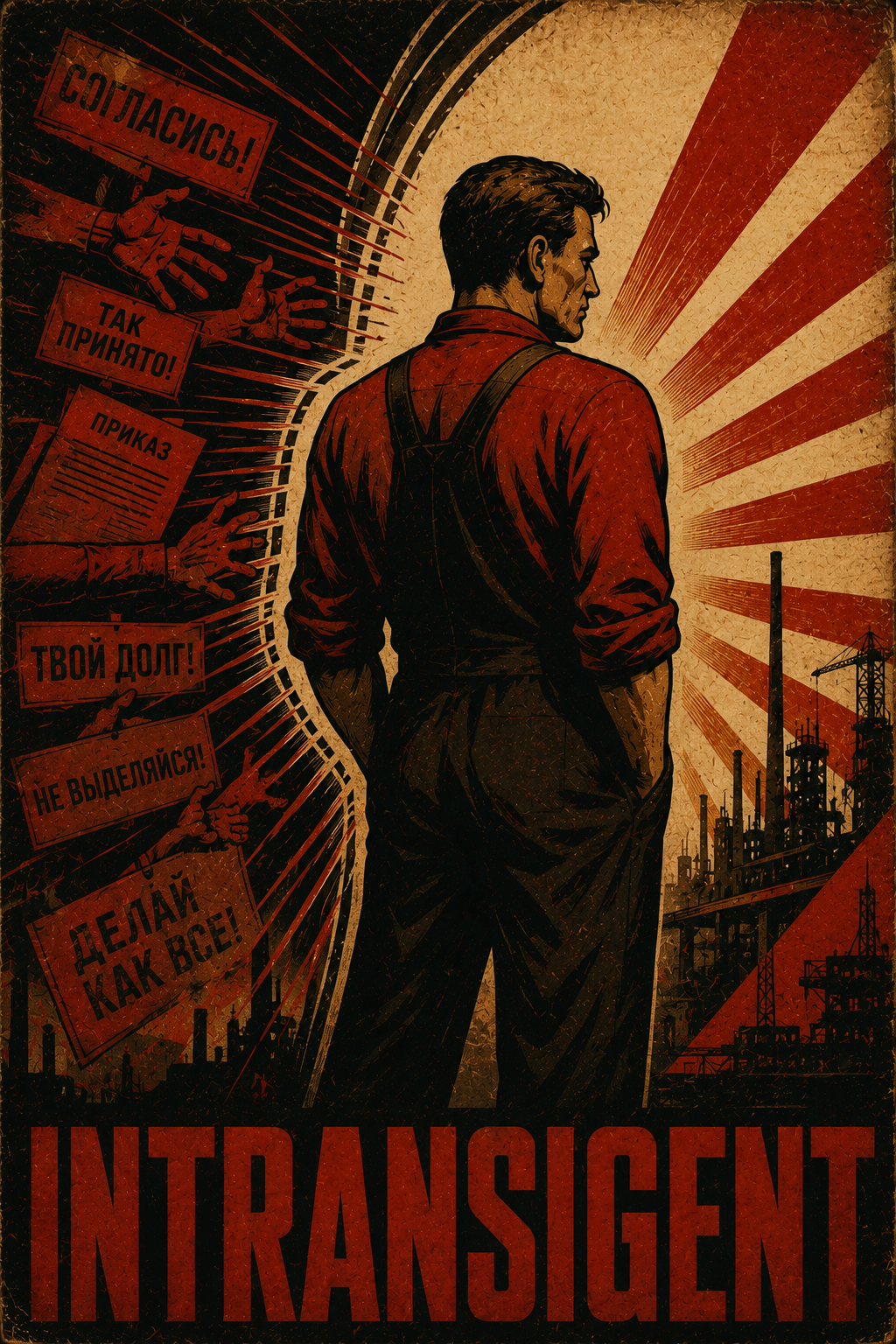
Neglected + Stubborn + Subtle
The function is backgrounded, difficult to move from outside, and less openly displayed.
The Functions
Each Model A function is a precise intersection of block, dimensionality, and approach. The model is not just a list of eight roles: each role is constructed from the same underlying dichotomies already introduced above. Reading the cards in the Model A stack shows how the same structural ingredients combine into eight distinct function positions.
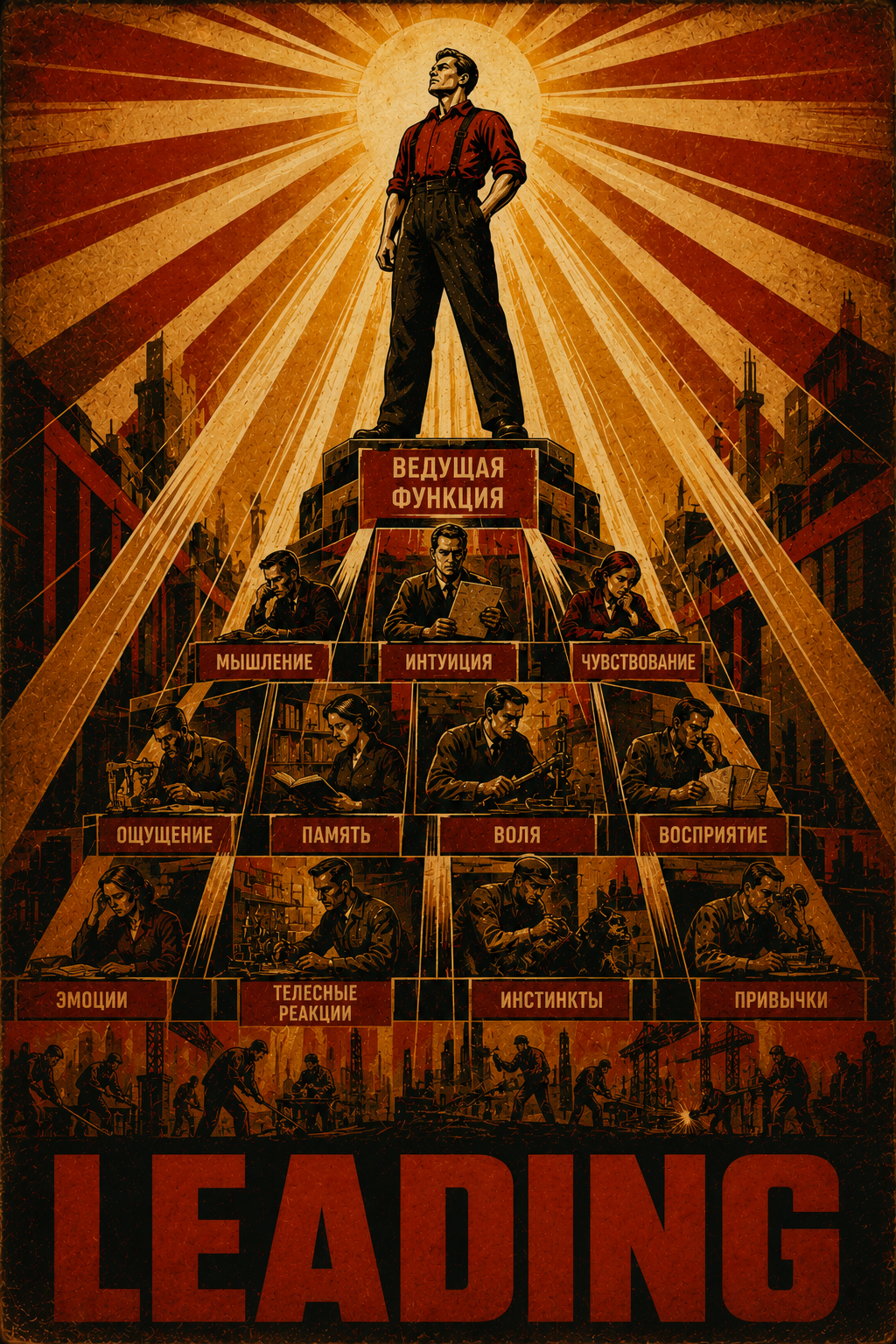
Ego, 4D, Assertive
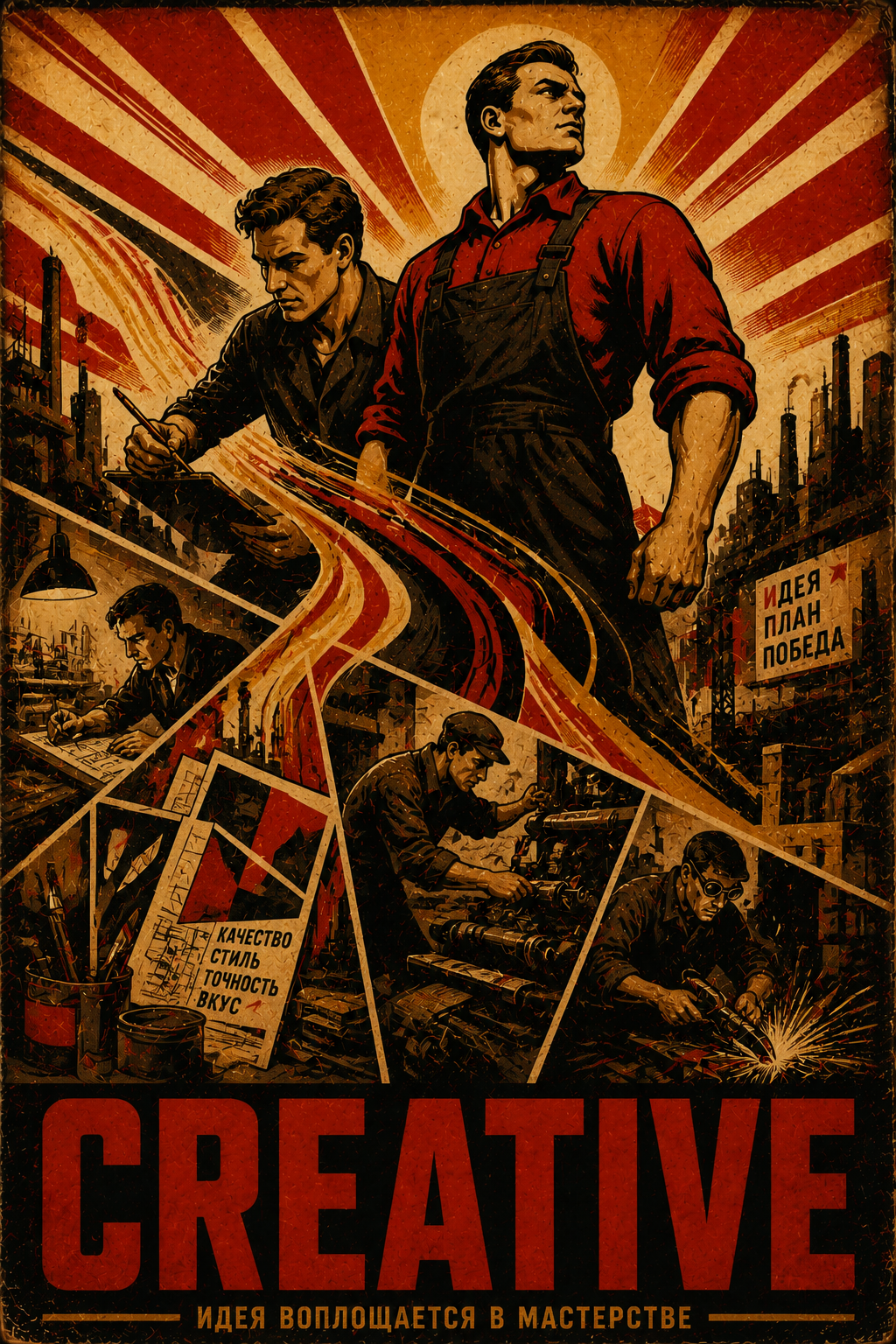
Ego, 3D, Collaborative
Super-Ego, 1D, Intransigent
Super-Ego, 2D, Reluctant
Super-Id, 2D, Assertive

Super-Id, 1D, Collaborative
Id, 3D, Intransigent
Id, 4D, Reluctant
Function Interactions
Function interactions describe paired positions that process the same information domain from different places in the model. Each pair shares the same side of three functional dichotomies: Strong/Weak, Stubborn/Flexible, and Demanding/Supplying. This means the interaction is not an accidental pairing of two roles, but a structural relation between functions that have the same domain and the same mechanical orientation.
Leading + Ignoring
Strong, Stubborn, Demanding. The same domain is handled through the type's primary agenda and its capable but backgrounded counterpart.
Creative + Demonstrative
Strong, Flexible, Supplying. The same domain is handled through skilled implementation and automatic background support.
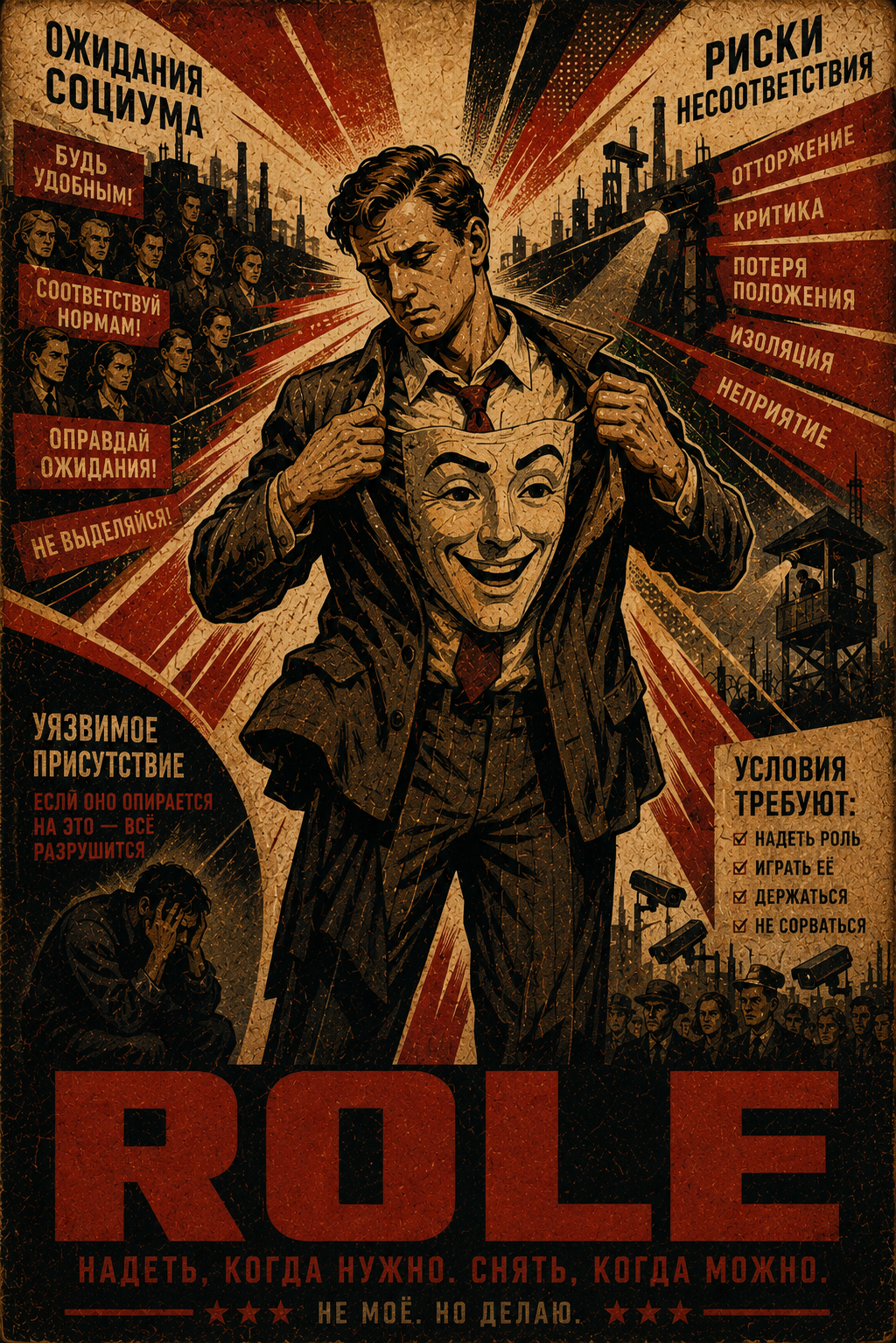
Role + Suggestive
Weak, Flexible, Demanding. The same domain appears as both conscious strain and unconscious need.
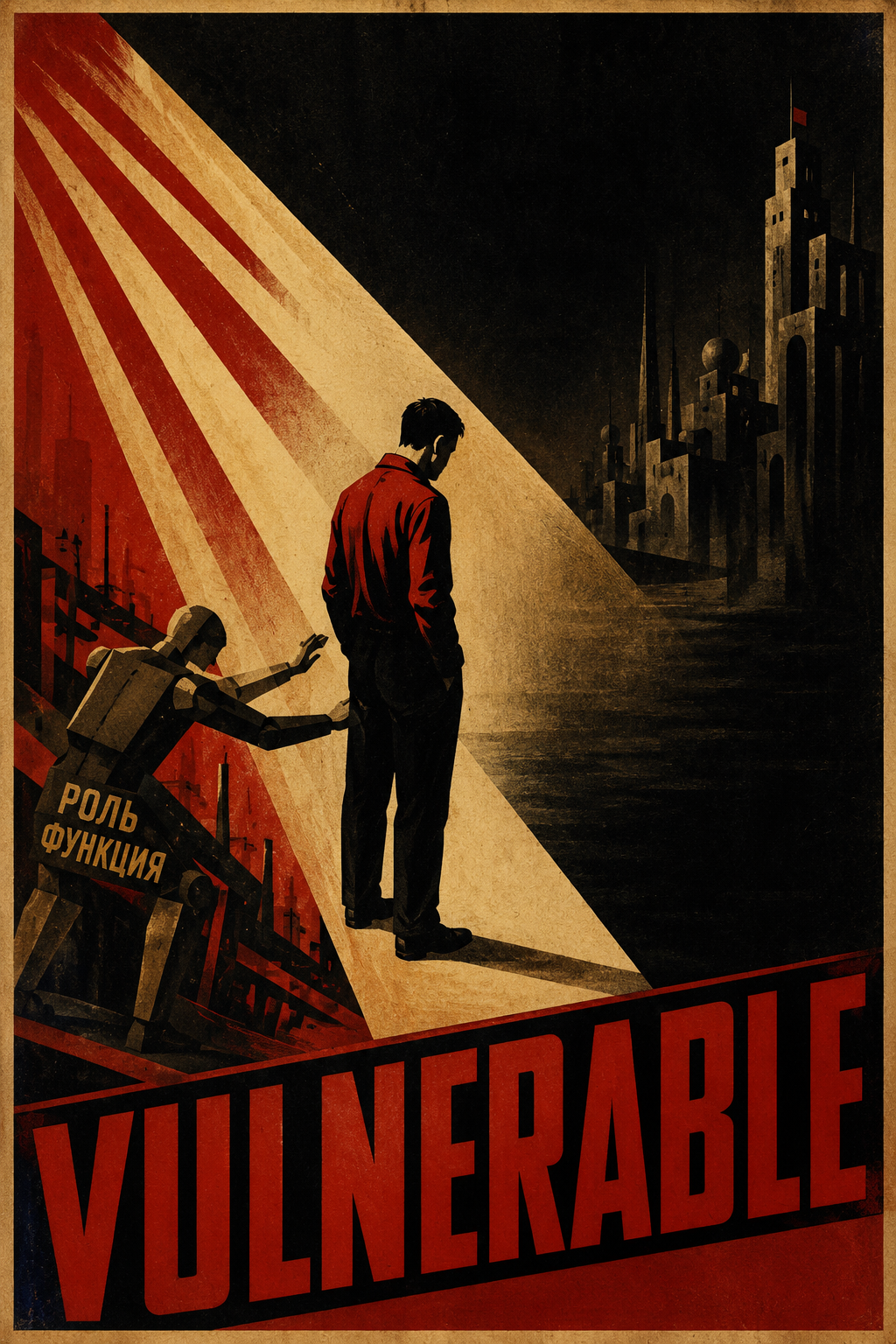
Vulnerable + Mobilising
Weak, Stubborn, Supplying. The same domain is exposed at the vulnerable point and energised through attempted support.
Function Transitions
Function transitions describe movement between two positions. Where interactions show paired functions working together, transitions show how attention can shift from one function into another with the same side of three functional dichotomies: Public/Private, Obvious/Subtle, and Demanding/Supplying. The transition keeps a shared mechanical orientation while changing the role the information plays in the psyche.

Leading to Role
Public, Obvious, Demanding. The type moves from its primary agenda into a socially expected performance.
Vulnerable to Creative
Public, Subtle, Supplying. Pressure at the vulnerable point is redirected into a more capable public tool.
Demonstrative to Mobilising
Private, Obvious, Supplying. Background competence feeds the function that wants to become more alive and usable.
Suggestive to Ignoring
Private, Subtle, Demanding. Unconscious need is pulled toward a capable but neglected private agenda.
Apply It
The Types. With the function mechanics in place, the type pages show how the stack becomes a whole personality structure.